What Surface Finish Means on a Machined Part
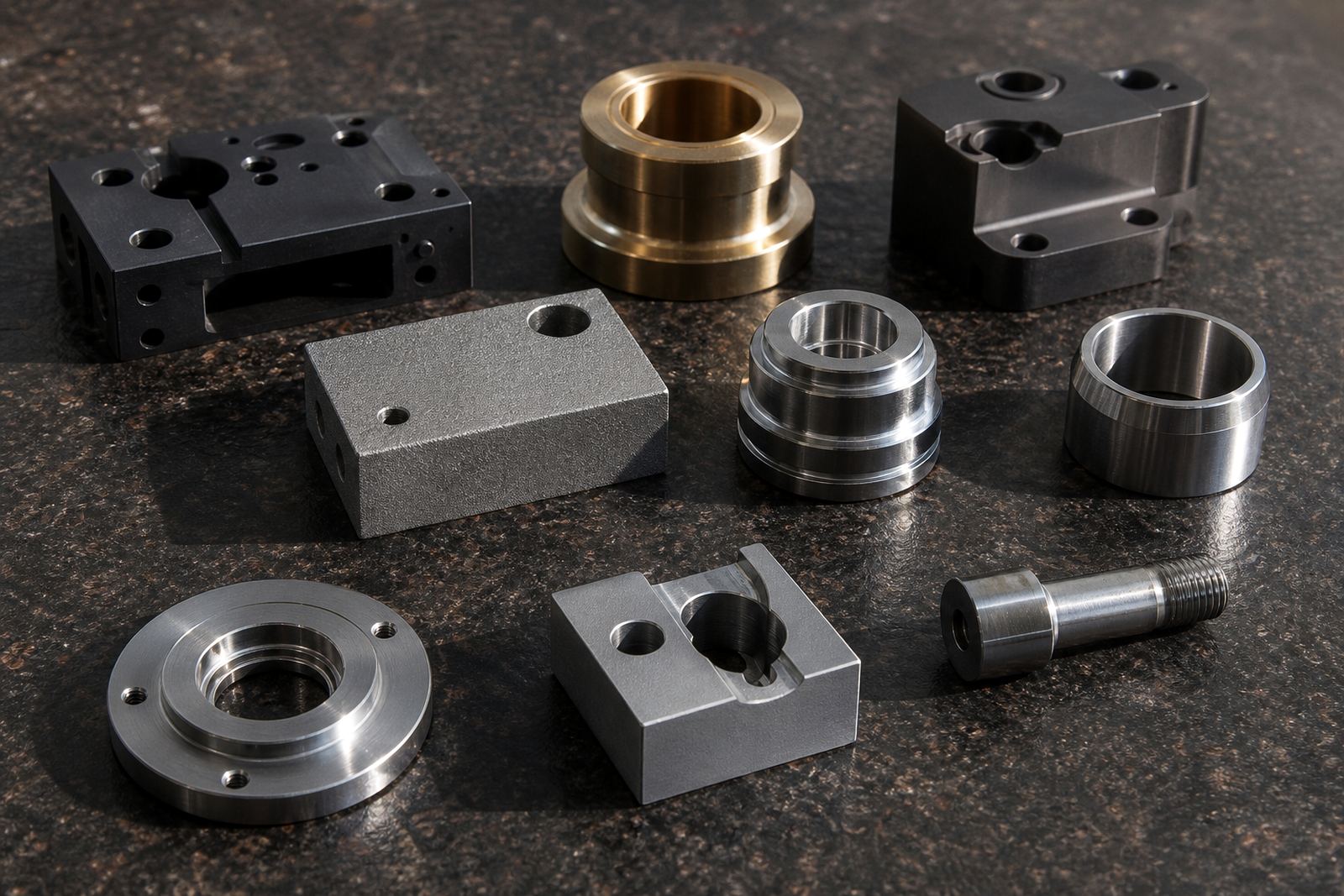
In everyday terms, surface finish is how smooth or marked a part feels and looks after milling or turning. A freshly machined face may show fine tool marks, while other parts may need a cleaner finish so they slide, seal or locate properly in assembly.
On CNC machined parts, finish is not only about appearance. It can affect how a shaft runs in a bearing, how a cover seats against a gasket, or how easily a component cleans down in a workshop or plant area. In humid coastal areas like Durban and Richards Bay, the finish can also influence how well a part resists grime build-up and light corrosion over time.
Why Finish Matters on Certain Parts
Some parts can work well with a normal machined finish. Others need closer attention because the surface is part of the function. This is common on mating faces, sealing surfaces, locating features, sliding components and parts that get handled often.
For example, a bracket may only need a practical machined finish, but a shaft, spacer or housing could need better control of burrs and tool marks. When finish is planned early, it can reduce rework and help the part meet the drawing intent without unnecessary extra cost or delay.
- Parts that seal against another surface
- Parts that move against each other
- Parts that must fit into another assembly
- Parts that are cleaned often or exposed to moisture
- Parts where appearance matters in the final product
How Milling and Turning Affect the Finish
CNC milling and turning leave different surface patterns because the cutting action is different. Milling usually leaves a pattern from the rotating cutter moving across the material, while turning leaves circular marks around the diameter of the part. Both can produce a neat finish when the job is set up correctly.
The final finish depends on the material, tool condition, feed rate, speed, depth of cut and whether the part is being rough machined or finished. Aluminium often machines with a cleaner finish than some harder steels, while stainless steel can need more care to manage heat and avoid a rougher look. On small batches, it is worth discussing this before cutting starts, so the finish matches the part's purpose instead of being left to chance.
A Practical Finish Checklist Before Machining Starts
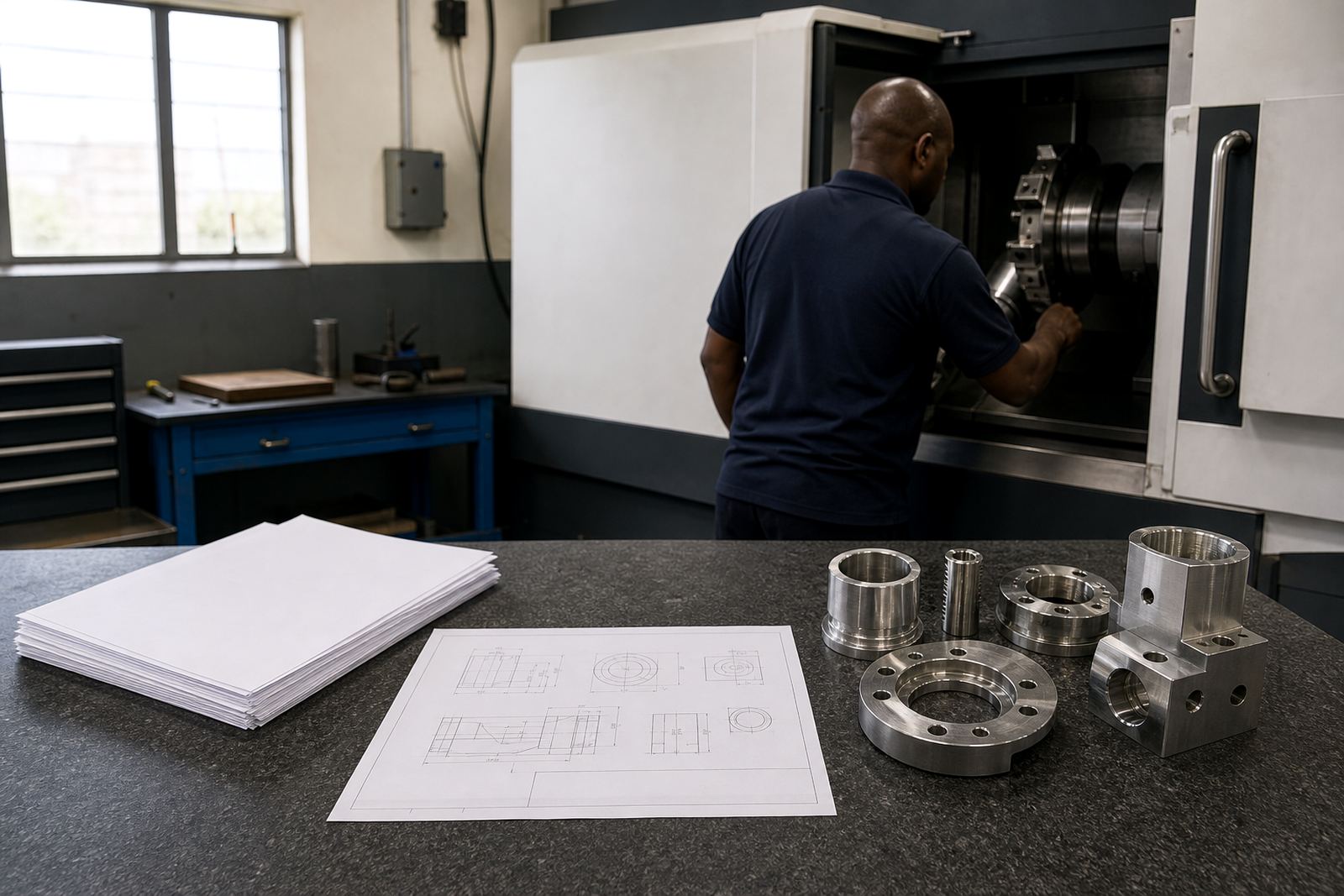
Before a small-batch job goes into production, a simple review helps avoid confusion later. PME CNC Machining uses drawing review and tolerance guidance to check whether the requested finish is realistic for the material and the feature involved.
- Identify which faces are functional and which are only cosmetic
- Mark sealing areas, bearing areas and sliding areas on the drawing
- Confirm the material and whether it is prone to marking or burrs
- Check if any edges need deburring or edge breaking
- Note if the part will be handled, painted, plated or assembled after machining
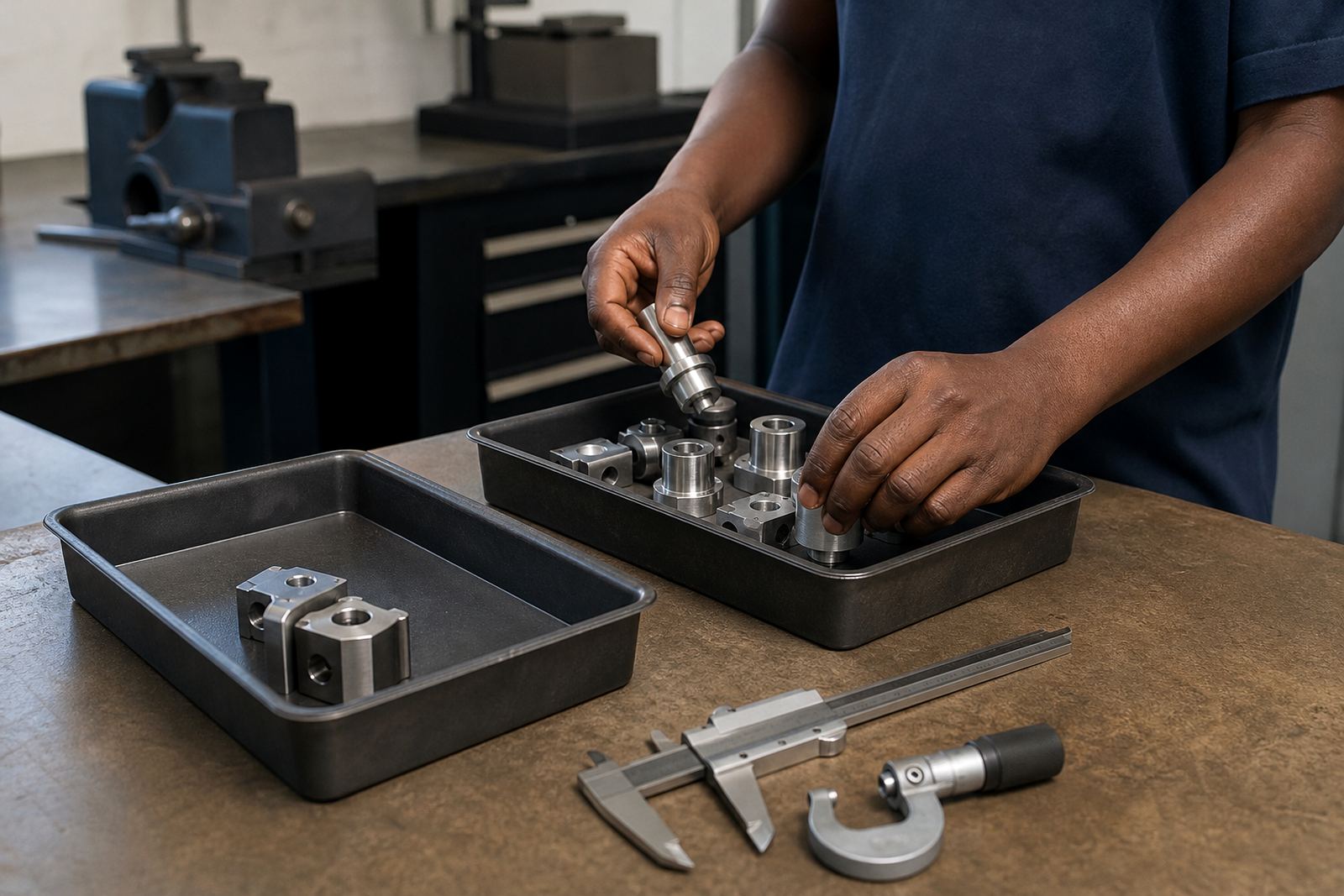
- Agree on any inspection points for finish-sensitive features
If the drawing is unclear, a quick drawing update can save time later. It is better to sort out a finish note before production than to discover after the first piece that a critical face needs a better condition.
Common Finish Questions From Small-Batch Jobs
In practice, clients often ask how smooth a part should be or whether the same finish is needed everywhere. The answer is usually no. Different features on the same part can have different finish needs, depending on what they do.
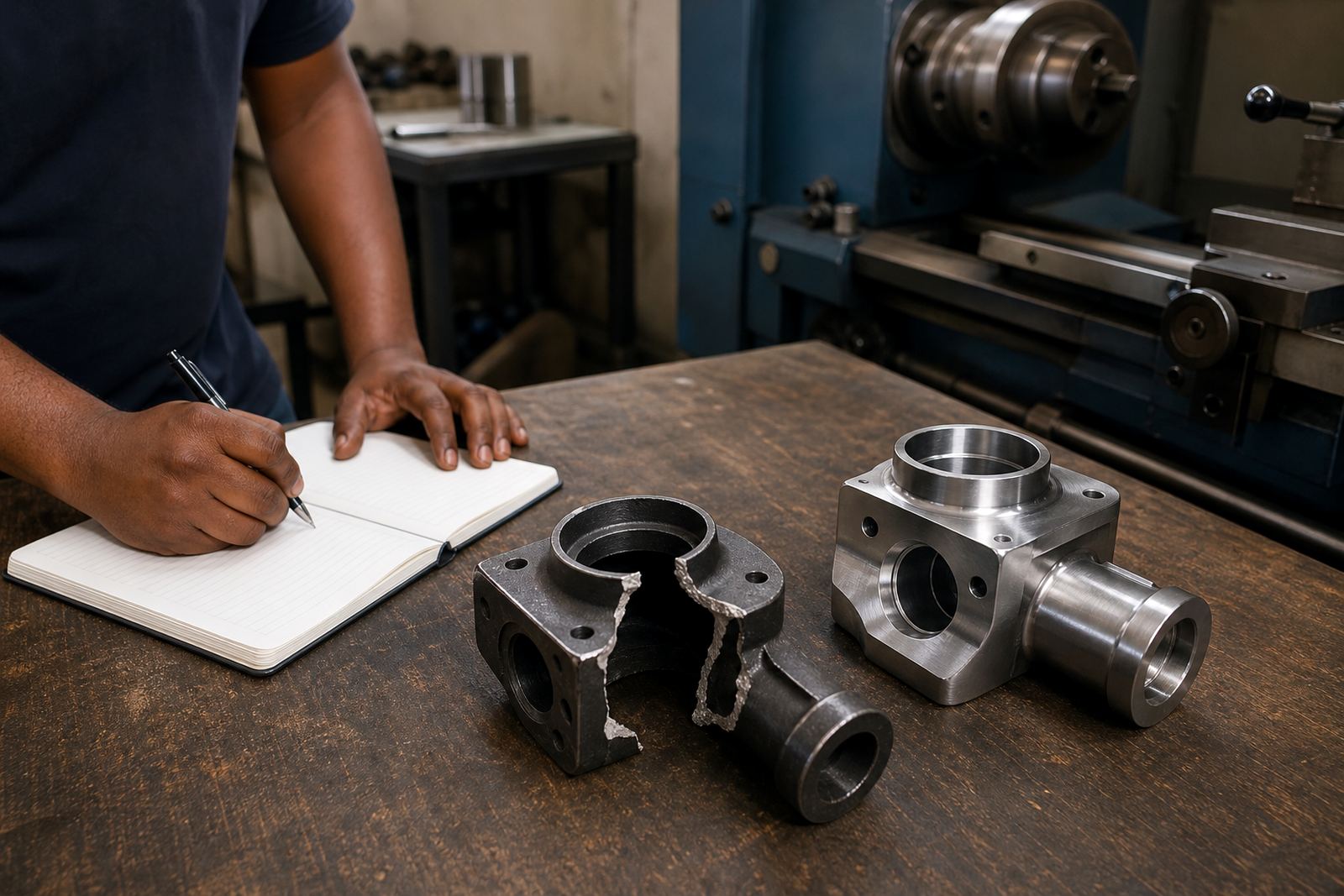
A good example is a housing with one sealed face and several non-critical outer faces. The sealed face needs careful attention, while the other surfaces may only need a standard machined finish. This is where part optimisation and assembly fit checks help, especially when a part must work with existing components from a repair or repeat order.
- Do not specify a fine finish everywhere if only one face needs it
- Keep functional surfaces clearly marked on the drawing
- Allow for deburring on sharp edges and small corners
- Ask whether the part will see moisture, dust or regular handling
How PME CNC Machining Supports the Right Finish
From Pinetown, PME CNC Machining supports small-batch work for clients in Durban, Westmead, New Germany, Pietermaritzburg, Richards Bay, Johannesburg and Umhlanga. The process starts with your drawing and a practical review of what the part needs to do. From there, the team can guide material selection, prototype planning, batch planning and tolerance guidance so the finish suits the job.
For repeat orders or sample part remake work, the team can compare the previous part with the updated requirement and check whether the finish needs to be held the same or adjusted. Inspection reporting helps document what was made, and delivery coordination keeps the job moving once it has passed checks. If your part needs a cleaner face, better fit or a specific machine finish, the enquiry form on the contact page is the best place to start.
In short, finish is not just about looks. It is part of how the component performs, fits and lasts in service, and getting it right early saves headaches later on.