Start With What the Part Must Do
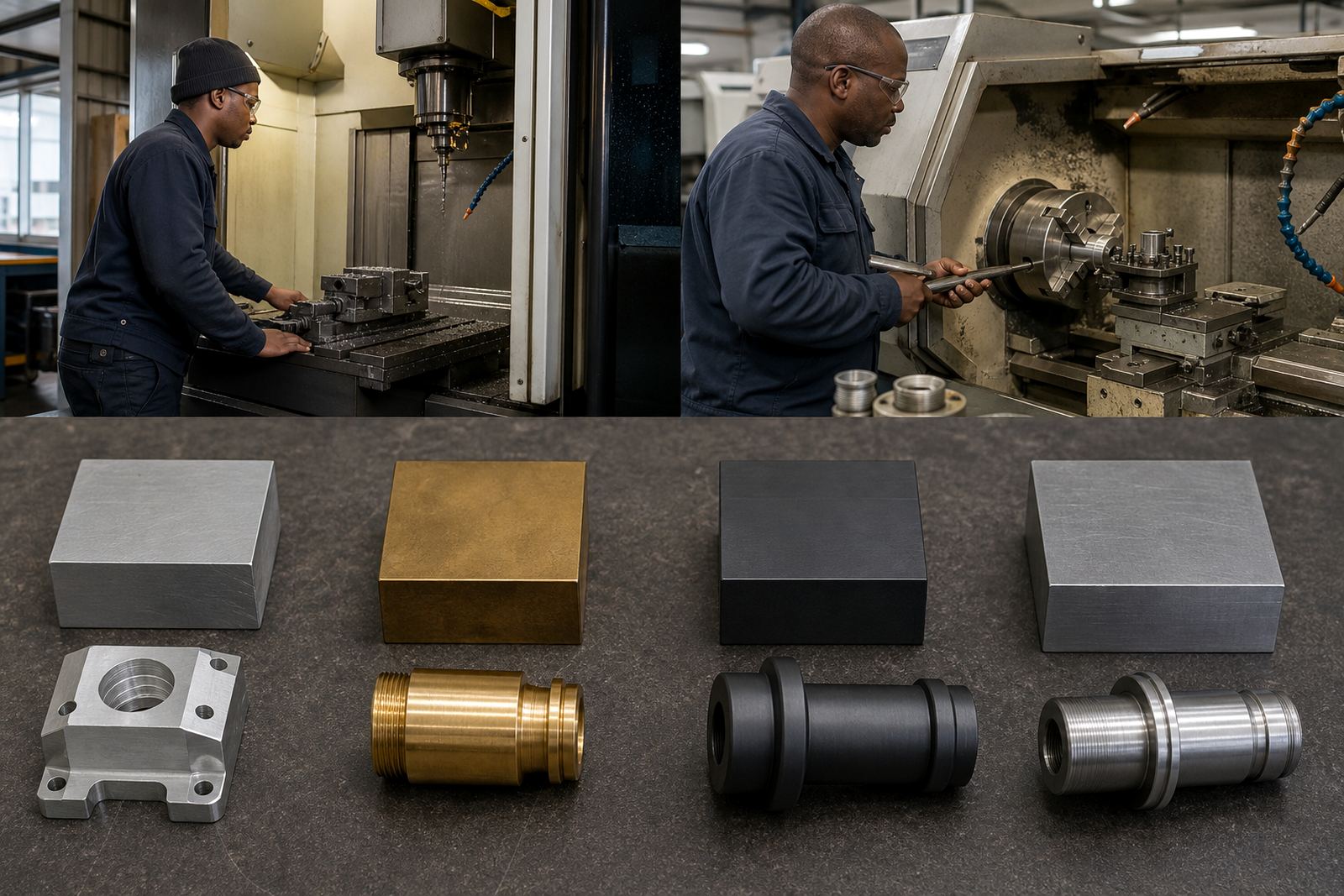
Before looking at material grades, work out what the component has to do in service. A bracket, spacer, bush, cover plate or fixture part all ask different things from the material. Some parts need light weight and easy machining. Others need better wear resistance, corrosion resistance or a tighter finish after milling and turning.
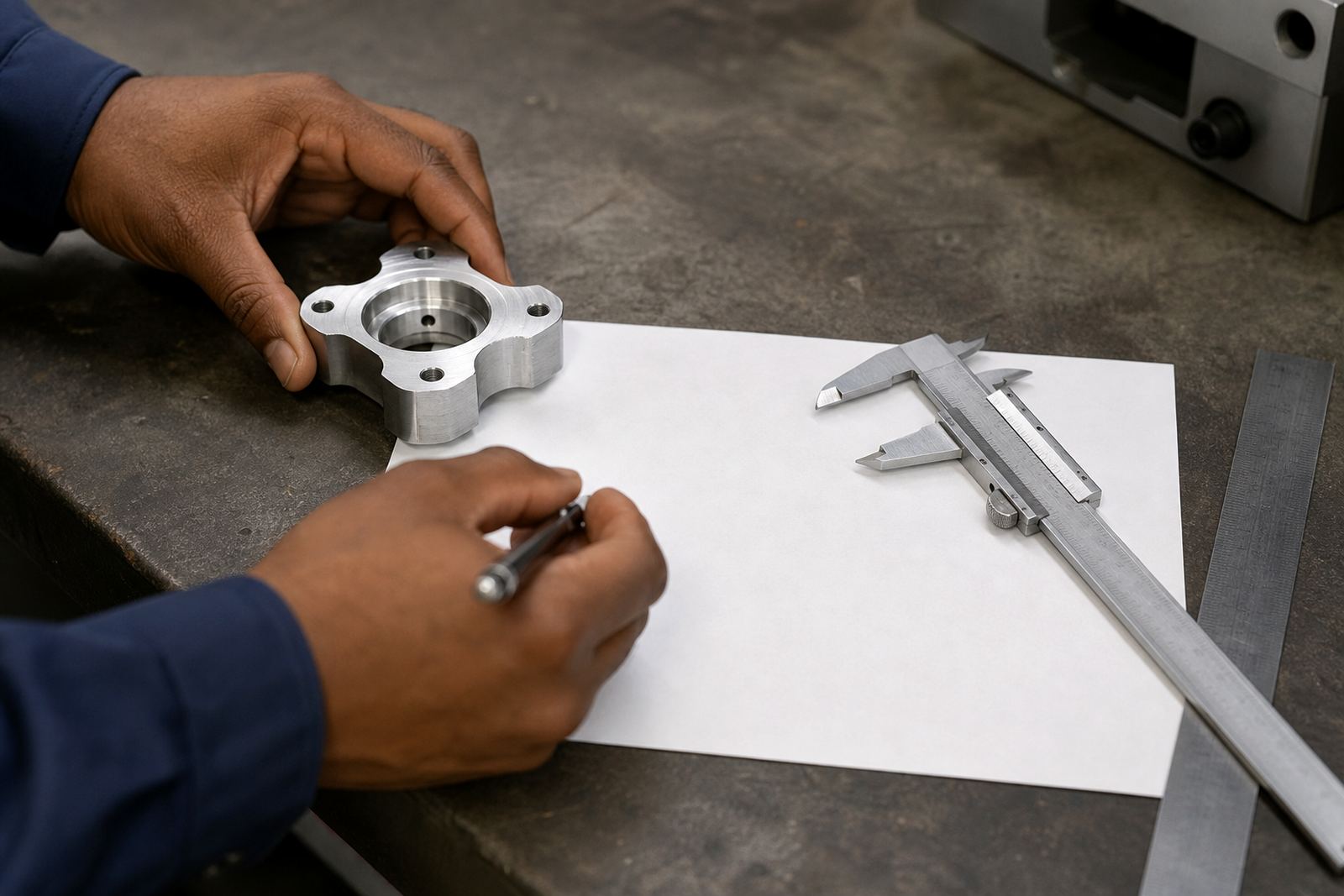
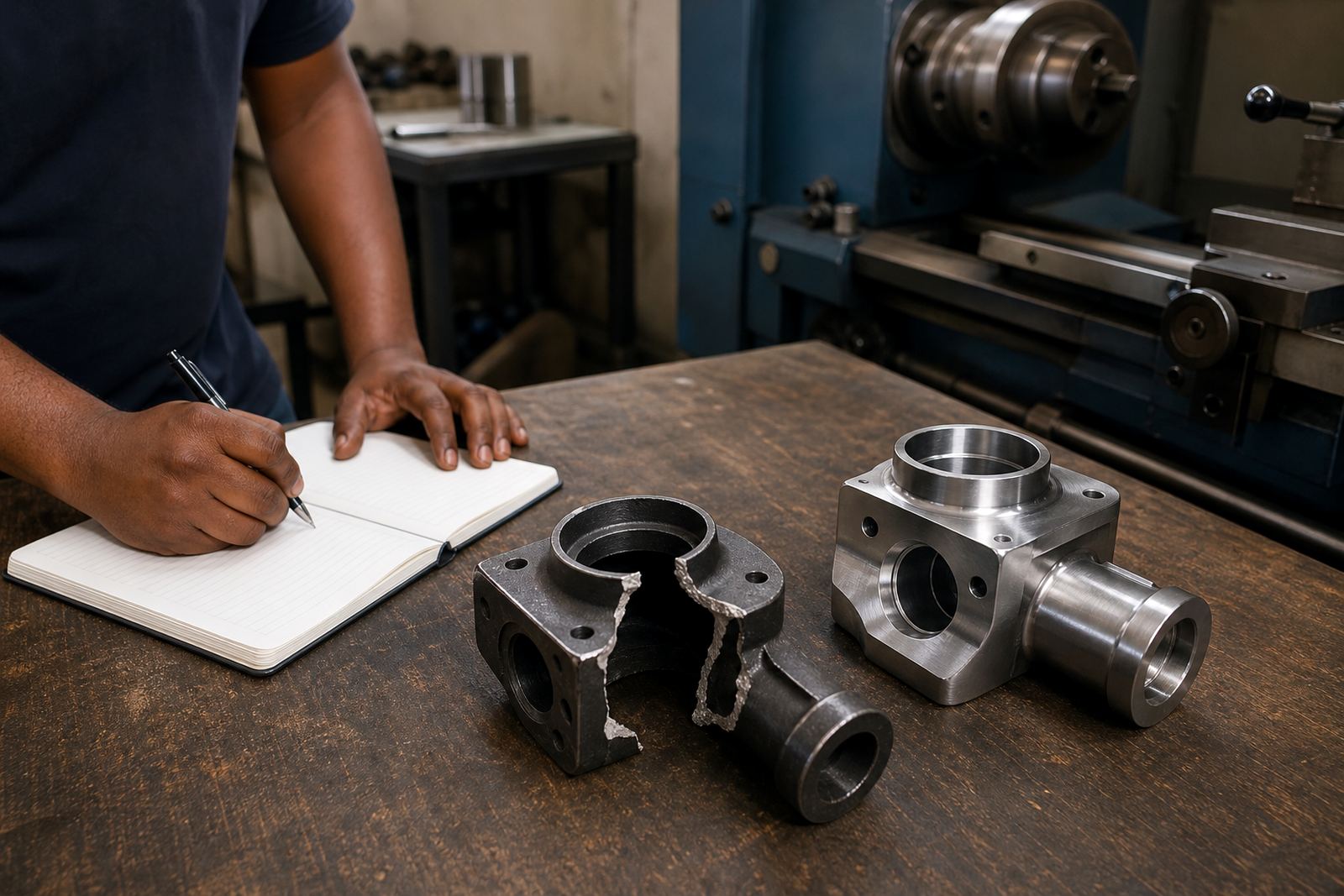
For small batch jobs, the first setup matters most because repeatability has to be built in from the start. If the drawing is still being refined, it is worth checking wall thickness, thread sizes, counterbores and where stress will sit once the part is fitted. In many cases a part can be improved by changing a sharp corner to a radius or by adjusting a section that is too thin for machining and use.
- Identify the load, heat, moisture and wear the part will see.
- Check whether the part is structural, cosmetic or mainly a fitment item.
- Confirm if the part will be painted, plated, anodised or left natural.
- Note any areas where a tool must reach for milling, drilling or turning.
When Aluminium Makes Sense
Aluminium is often chosen when a part needs to be light, easy to machine and suitable for a neat surface finish. It is useful for housings, covers, brackets, jigs and prototype parts. In a machining job shop, aluminium can also help keep lead times sensible because it generally cuts faster than many steels, which matters on small batches where setup time is a big part of the job.
That said, aluminium is not the answer for every job. Thread strength, wear at sliding faces and dent resistance all need to be checked. In coastal areas like Durban and Umhlanga, the environment can also affect how the finished part is protected or stored, especially if it will sit outside or near spray. For a part that will be handled often, a harder grade or a surface treatment may be needed.
- Good for light parts, covers, brackets and fixtures.
- Useful where fast machining and lower mass are priorities.
- Check thread wear and surface protection for outdoor use.
- Make sure the design allows enough section thickness for stability.
Steel for Strength, Wear and General Engineering
Steel is a common choice where a part needs more strength, stiffness or wear resistance than aluminium can offer. It suits shafts, mounting parts, machine components, pins, spacers and many general engineering items. For turning work, steel can provide good dimensional stability when the part has to fit bearings, bushes or mating surfaces. For milling, it is often selected when a part must hold its shape under load.
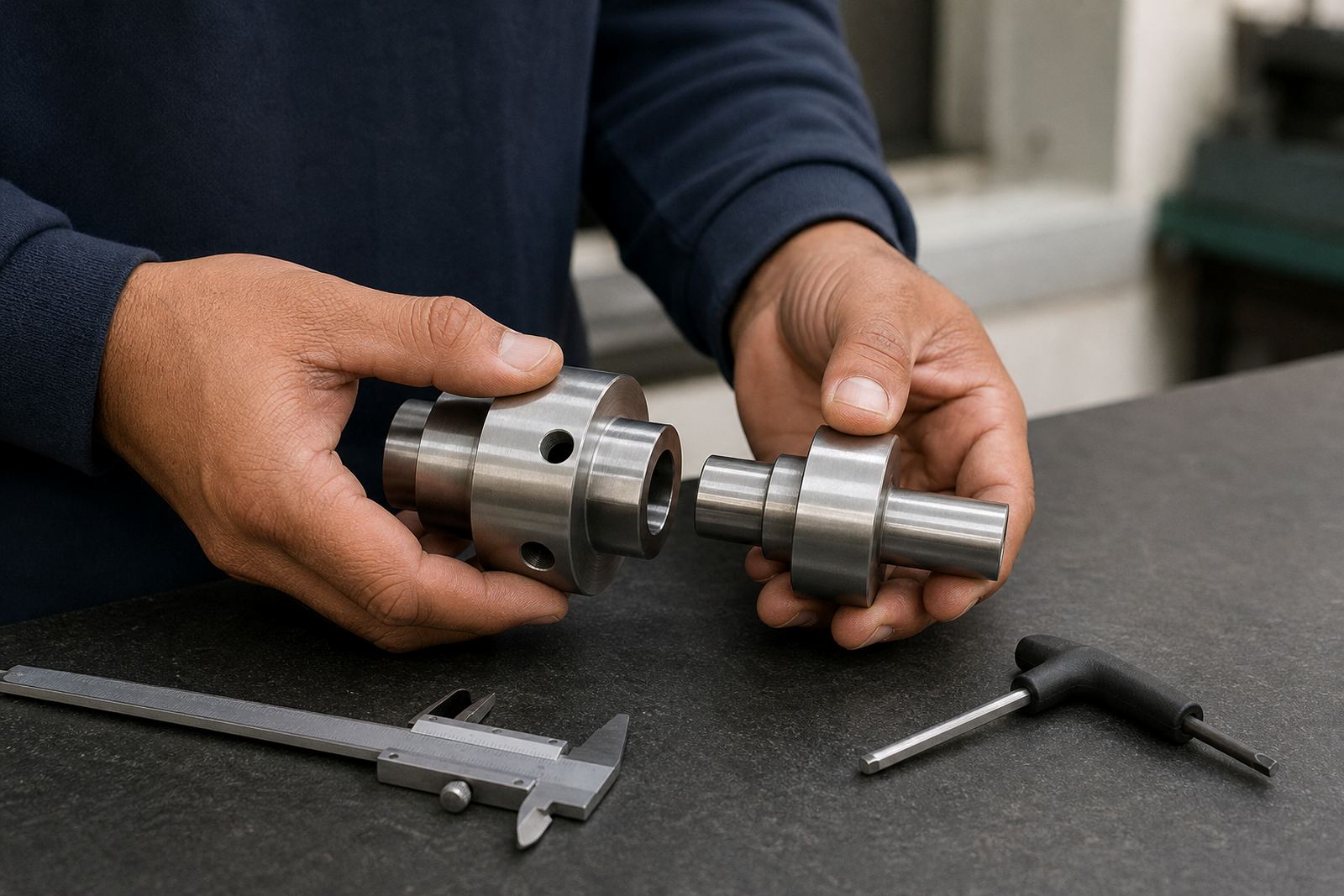
Not every steel behaves the same. Mild steel may be suitable for general fabrication style parts, while other steels are picked for better hardness or better machinability. The right choice depends on how the part will be used and what secondary processes follow. If a drawing asks for close fit on a bore or turned diameter, material movement during machining should be considered from the start.
- Best when strength and stiffness matter more than weight.
- Often used for shafts, brackets, machine parts and fixtures.
- Allow for corrosion protection if the part will face moisture.
- Confirm whether the part will be welded, heat treated or plated later.
Stainless Steel Where Corrosion Resistance Matters
Stainless steel is usually considered when corrosion resistance is important, especially near moisture, washdown conditions or outdoor service. It is often chosen for food related equipment, marine use, exposed fixings and parts that need a cleaner appearance over time. In KwaZulu-Natal, humidity can be a real factor, so stainless steel can reduce maintenance where plain steel would rust too quickly.
It is worth remembering that stainless steel can be more demanding to machine than mild steel, so tool wear, heat and cycle time need attention. It is a sensible choice when the service conditions justify the extra effort. A part that only needs protection for storage or transport may be better suited to another material with a coating instead of moving straight to stainless.
- Choose it for moisture, washdown or coastal exposure.
- Useful where appearance and corrosion resistance both matter.
- Plan for machining time and tool wear in the job cost.
- Check whether a coated steel part would meet the same need at lower cost.
Plastics for Electrical, Wear and Low-Load Parts
Engineering plastics can be the right answer where a part must be light, electrically insulating, quiet in use or gentle on mating surfaces. They are often used for spacers, guides, insulation parts, bush style components and low-load covers. For some assemblies, plastic also helps reduce corrosion concerns and can make fitting easier when metal-to-metal contact is not wanted.
Plastic parts need careful checking because some materials move more with heat and moisture than metal. If the component has to hold a tight tolerance over time, the selected plastic must suit the environment and the loading. Small batch parts should also be checked for flatness, thread pullout and creep where the part will be under constant pressure. A drawing that looks simple can still need a proper fit check once the material is chosen.
- Useful for low-load, insulating and wear-reduction parts.
- Consider heat, moisture and long-term movement.
- Check thread inserts or alternative fastening methods if needed.
- Make sure the chosen plastic suits the service temperature.
A Simple Material Selection Checklist for Small Batch Jobs
For one-off and small batch work, material selection should be practical and traceable. Start with the drawing, then move through the service conditions and the machining process. If a part is being repeated later, keep the same material note and make sure any drawing updates are reflected before the next run. That avoids confusion when the job comes back months later.
At PME CNC Machining in Pinetown, material choice is usually discussed together with drawing review, tolerance guidance and batch planning so the part can be made in a way that suits the machine process and the final fit. For clients in Durban, Pietermaritzburg, Richards Bay and Johannesburg, that means the enquiry can focus on what the component must do, rather than guessing a material after the fact.
- What load will the part carry or transfer?
- Will it face corrosion, heat or outdoor exposure?
- Does the part need to be light, strong, wear resistant or insulating?
- Are tight fits, threads or seal surfaces involved?
- Will it be painted, plated, anodised or left unfinished?
- Can the design be adjusted to suit a better machining material?
Bring the Drawing, the Fit Requirement and the Environment
The best material is usually the one that matches the part's job and the environment it will live in. If the drawing does not say enough, add notes about the service area, the mating parts and any assembly fit checks needed. For example, a component for a humid plant, a vehicle bracket or a machine fitting on the coast may need a different material choice than the same part used indoors. That small detail can save rework later.
If you are not sure which material suits the part, it helps to start with the function, then narrow the options against cost, machining time and maintenance. That approach is often more practical than choosing by habit. A good material choice gives the part a better chance of working first time and staying usable in service.