Start With The Job The Part Must Do
Before anyone talks about tolerances, ask what the part must actually do in service. Is it carrying a load, locating another component, guiding movement, sealing a face, or simply keeping two items aligned? A bracket, shaft, spacer or housing can all be made from the same basic machining methods, but the working conditions decide what matters most.
For small batch parts, it helps to note the full context up front. A part that lives indoors in Pietermaritzburg has different needs from one fitted near the coast in Durban or Richards Bay, where humidity and corrosion can become a concern. If the component will be fitted in a plant that sees vibration, washdown, heat or load-shedding interruptions, that should be stated at the start. The more clearly the use is described, the less back and forth later on.
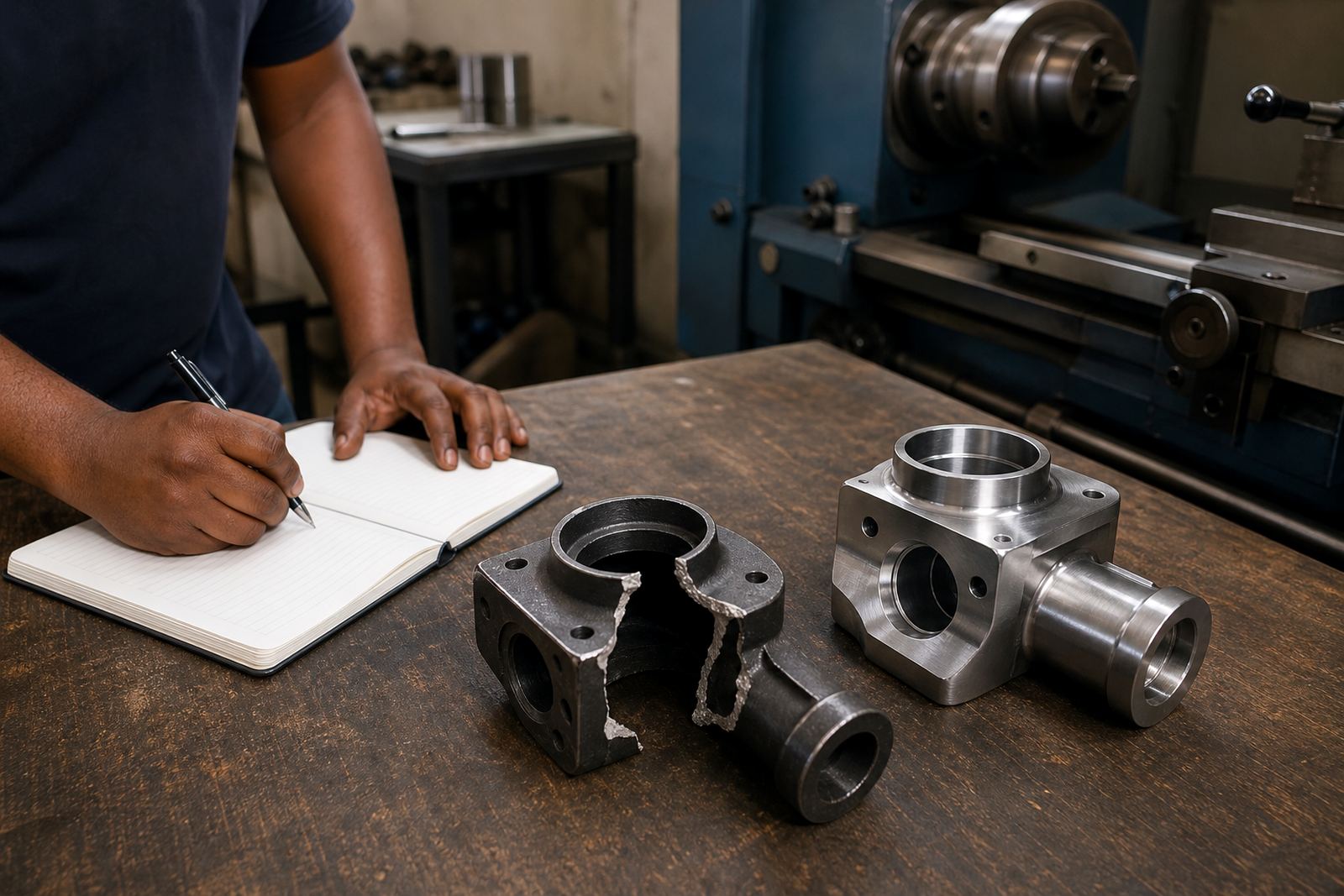
At PME CNC Machining in Pinetown, we treat fit and function as part of the drawing review, not as an afterthought. That means looking at how the part meets the mating component, how it will be handled during assembly and whether the final fit should allow easy replacement or a snug location.
Check The Mating Parts Before You Freeze The Drawing
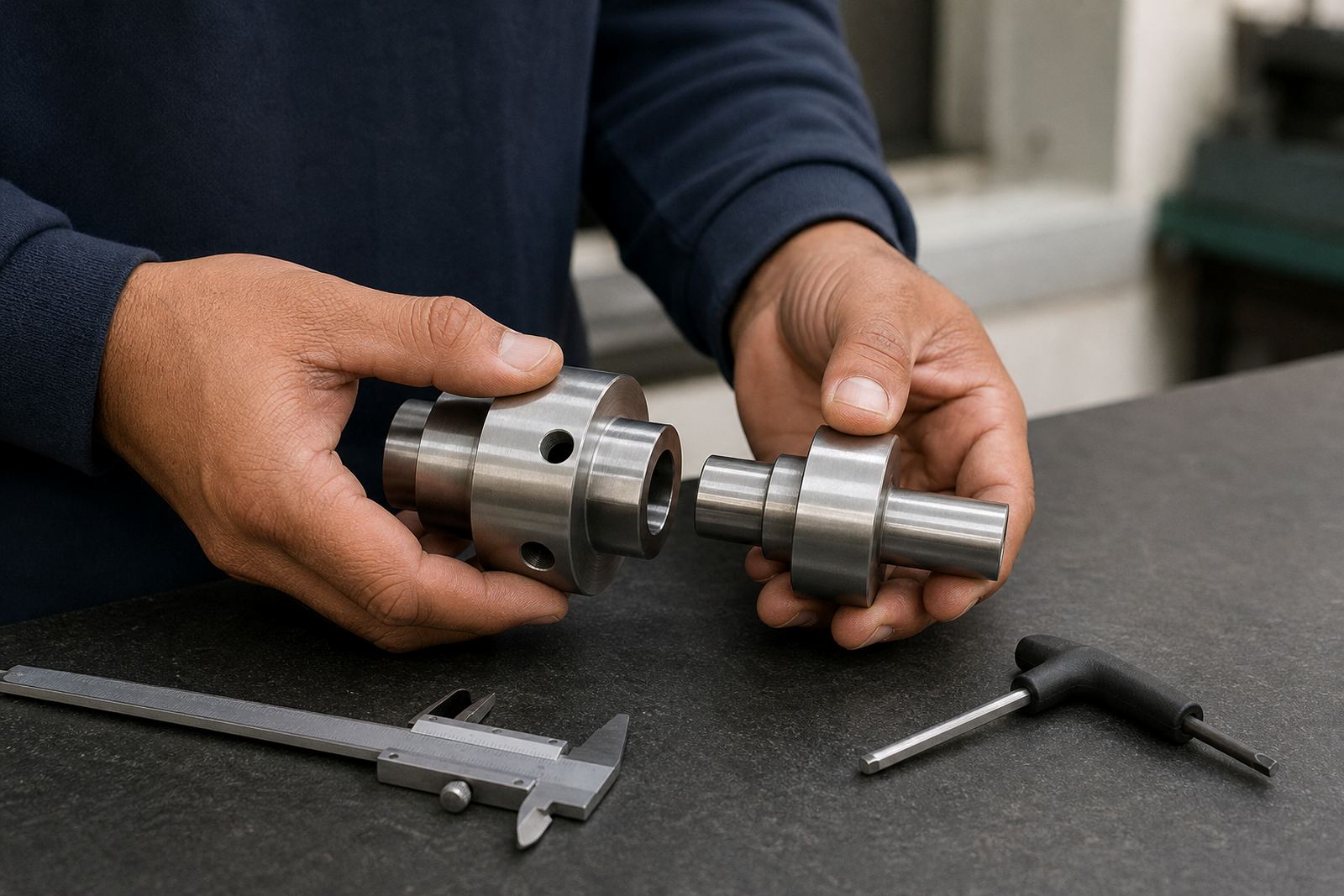
Fit problems often begin with the matching part, not the part being machined. If a shaft must slide into a bore, both pieces must be considered together. If a flange needs to meet a face, then surface condition, bolt pattern and alignment all matter. When only one side of the story is given, the risk of rework goes up.
- Measure or confirm the mating part wherever possible.
- Check whether the fit must be free running, location fit or press fit.
- Confirm if there is paint, plating, powder coating or heat treatment after machining.
- Note if the assembly is stripped and refitted often, or fitted once and left in place.
- Ask whether hand tools, clamps or jigs will be used during assembly.
These questions are useful for clients in Durban, Westmead, New Germany and Johannesburg alike, because they reduce the chance of a part being right on paper but awkward on site. Even a small change in coating thickness or a surface burr can affect how a part seats.
Loads, Movement And Wear Points Need To Be Spelled Out
A machined component must cope with the type of load it sees. Some parts sit under steady compression, while others see impact, bending, torsion or repeated cycling. Moving parts need extra care around bearing surfaces, journals, guide faces and edges that may wear over time. If the load direction changes, say so. If the part is subject to start stop motion, say that too.
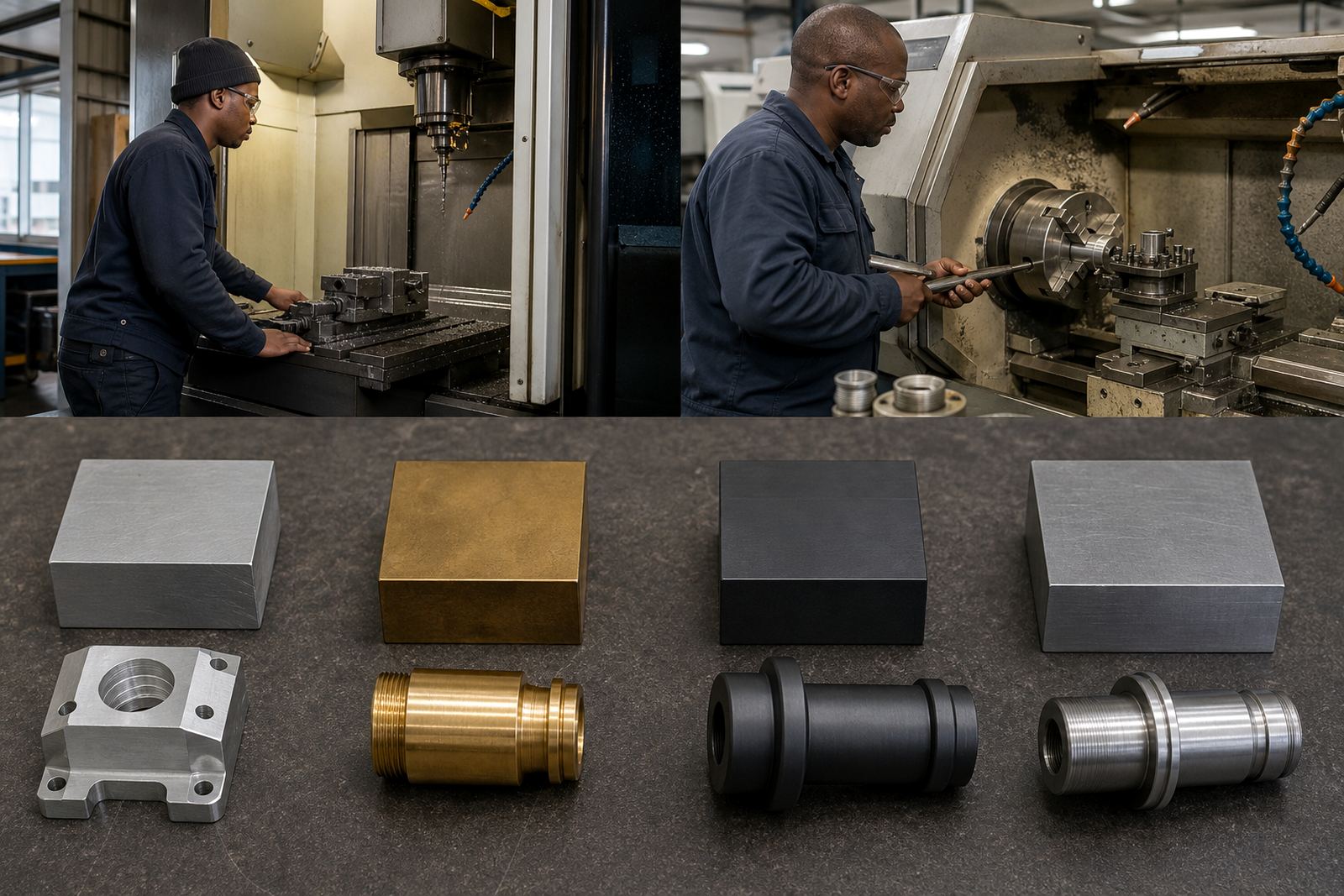
For turning work, round parts can be checked for how they carry concentricity and runout. For milling, flat faces, pockets, slots and hole positions become important where alignment and repeatability matter. If a component has to mate with another part after assembly, the usable size is often more important than the nominal size on the drawing. That is why fit checks should include the whole assembly path, not just one dimension.
In small-batch machining, practical detail helps. Mention whether there will be grease, coolant, dust or light chemical exposure. If the part is likely to vibrate in service, or if it will be removed for maintenance every few months, the finish and edge treatment may need to suit that reality. A sharp edge can catch, while a badly placed chamfer can weaken a seating face.
Material Choice Must Match The Environment
Material selection affects strength, weight, wear life, corrosion resistance and machinability. Aluminium, mild steel, stainless steel, brass, engineering plastics and other common materials each behave differently on the machine and in service. The right choice depends on load, temperature, corrosion risk and whether the component needs to be light, rigid or easy to maintain.
If the part will live near the coast, material choice and finish matter more than many people expect. Coastal humidity in KwaZulu-Natal can punish poorly protected steel. If the part is going into a plant in Richards Bay, Umhlanga or Durban, ask whether the final assembly needs extra corrosion protection or a material with better resistance. If the application is dry and indoors, a simpler material may be suitable.
It also helps to think about future supply. For repeat orders, choose a material that is still practical to source later. That saves problems when a second batch is needed and the first drawing must match the next run exactly.
At the enquiry stage, include:
- Preferred material if already decided.
- Any material restrictions due to weight, cost or corrosion.
- Whether the component is structural, decorative or functional only.
- Whether heat build-up or friction is part of the application.
Tolerance Guidance Should Be Practical, Not Guesswork
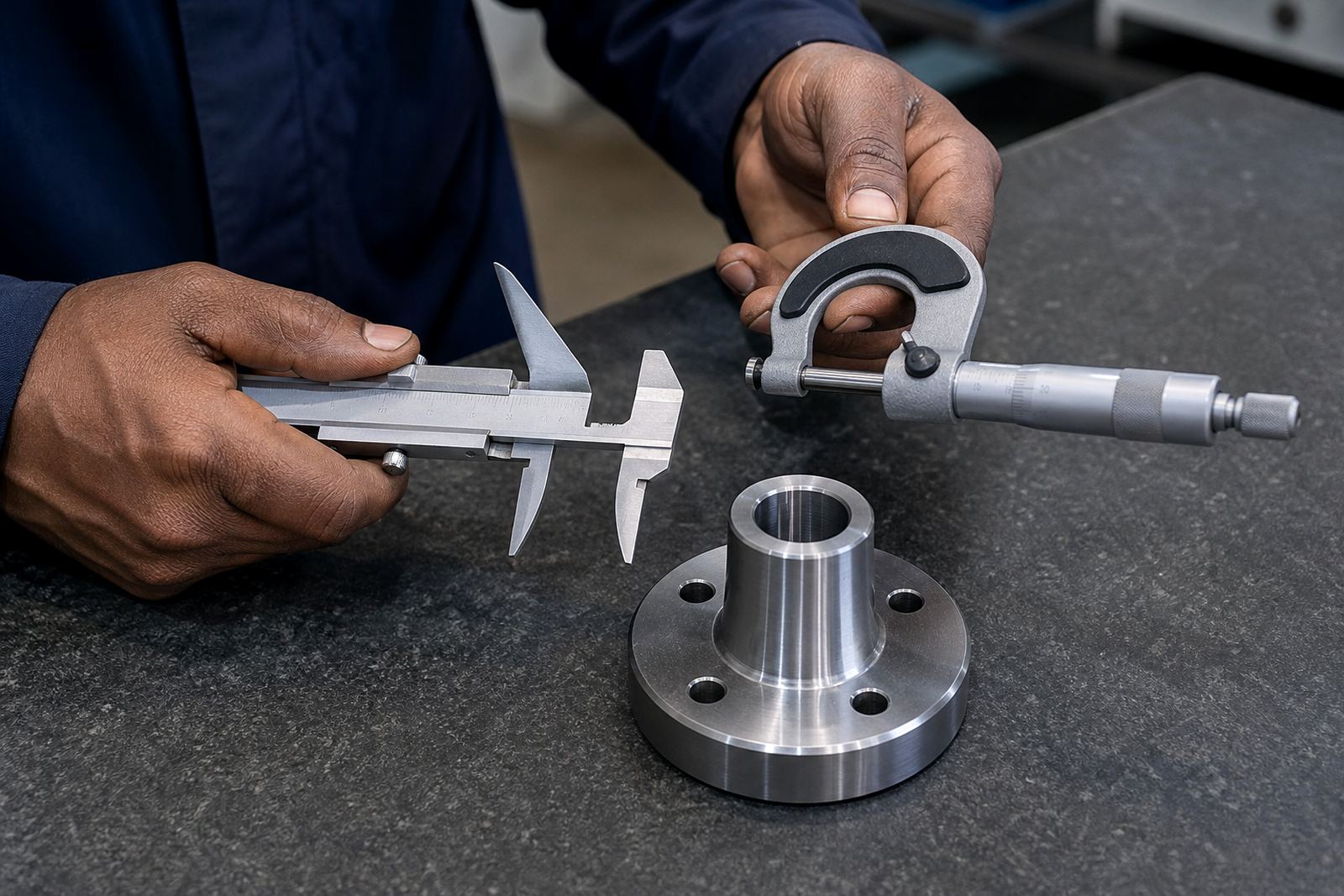
Tolerances define how much variation is acceptable, but tighter is not always better. A close fit can be valuable on a locating face or shaft, while another feature may work well with a wider allowance. The question is not just whether a dimension can be held, but whether it needs to be held that tightly for the part to function.
Good tolerance guidance starts with the function of each feature. Which holes set position? Which faces carry load? Which diameter controls movement? Which edges are only there for clearance? If all dimensions are treated the same, cost and lead time can rise without improving the part in use. On the other hand, a loose spec on the wrong feature can cause assembly trouble or premature wear.
For teams in Pinetown, Pietermaritzburg or Johannesburg sending drawings for CNC milling or turning, it helps to mark critical dimensions clearly. Add notes for any fit that needs checking against a mating part, and identify whether inspection reporting is required. That gives the production and quality team a clearer route through the job.
The Right Checklist Before You Release The Job
A simple checklist catches more problems than a rushed phone call. Before you release a job for machining, confirm the drawing, the function and the service conditions. If something is still uncertain, ask for it to be reviewed before cutting begins. A five minute check can prevent a part remake and the delay that follows.
- What is the part supposed to do in the assembly?
- Which features touch the mating part?
- What load, movement or wear will it see?
- Which surfaces matter most for fit?
- Is there post-machining coating, plating or painting?
- Will there be repeat orders that must match the first batch?
- Are sample part remake, assembly fit checks or drawing updates needed?
It also helps to note the delivery location and urgency. A small batch for Westmead or New Germany may need different coordination from a repeat order headed to Richards Bay or Johannesburg. If the part is for service work, make sure replacement parts can be identified later with the same naming and revision details.
How PME CNC Machining Supports Fit And Function
PME CNC Machining in Pinetown works on small-batch parts for clients across South Africa, including Durban, Pinetown, Pietermaritzburg, Richards Bay and Johannesburg. The process is built around practical checks: drawing review, material selection, prototype planning, batch planning, tolerance guidance, part optimisation, sample part remake, assembly fit checks, inspection reporting, repeat order support, delivery coordination and drawing updates.
That support is especially useful when a part must fit into an existing assembly and the original information is incomplete. Mandla Sibusiso Mkhize leads the business, with Anele Nondumiso Dlamini coordinating production, Johan Petrus van Wyk handling CNC programming, Siyabonga Patrick Zulu supervising machining, Naledi Refilwe Molefe managing quality and Kyle Brendan Naidoo supporting clients. The team understands that a part is only useful if it fits, moves and holds up in service.
If you are working on a new component or refining an older one, send through the drawing and describe the fit problem clearly. The job becomes easier when the function is clear from the start, and that saves time on the machine and at assembly.