Start With the Old Part, Not Just the Idea
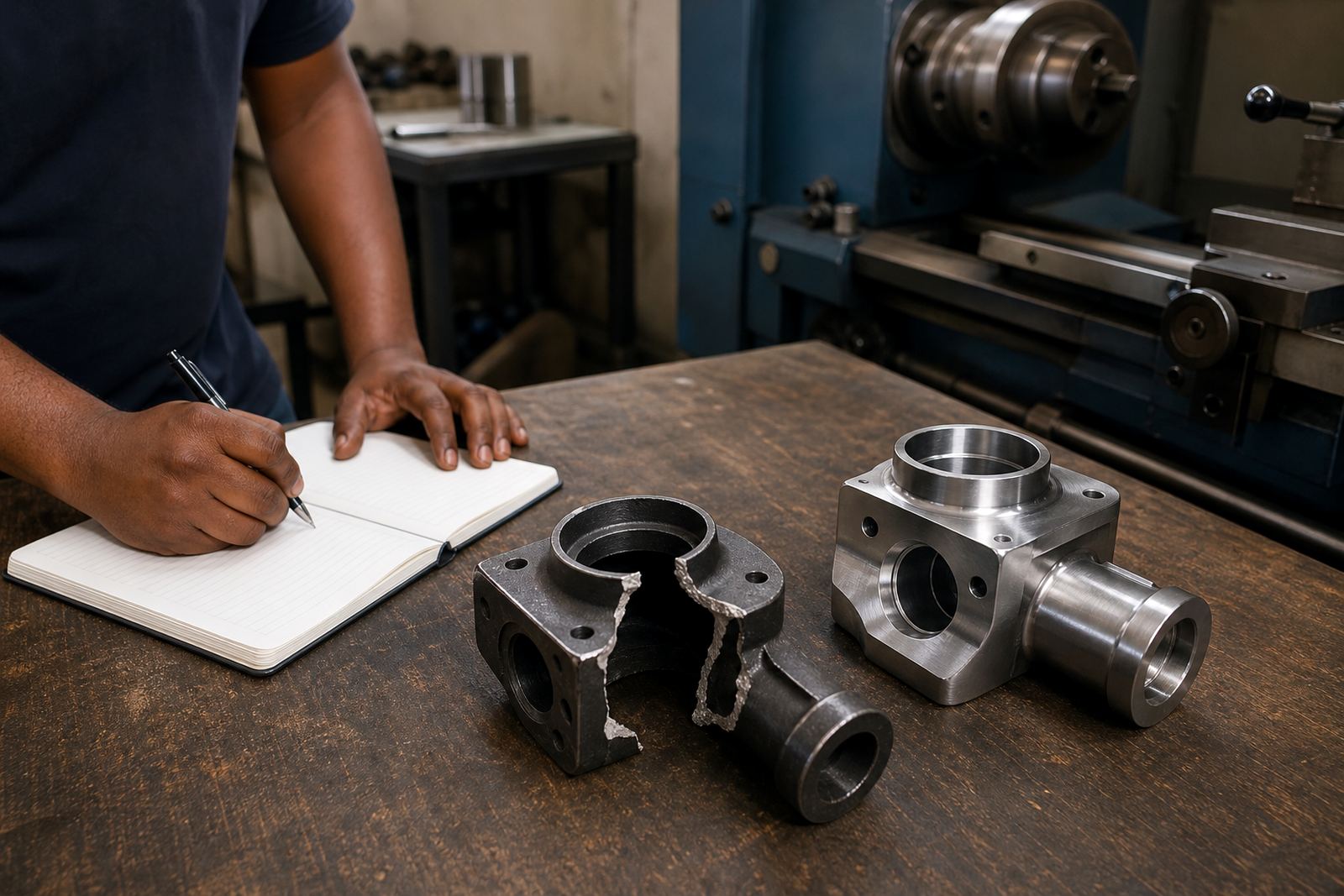
The best replacement part jobs begin with the original component in hand. If the part is worn, bent, cracked or missing sections, send clear photos and measurements with the enquiry, then note where the part fits in the assembly. A worn shaft, spacer, bracket or housing can still tell a lot about the original function, but it should never be copied blindly if the damage has altered critical dimensions.
Before any machining starts, check whether the part is from a machine exposed to heat, vibration, coastal humidity or regular washdown. Those conditions matter in Pinetown, Durban and Richards Bay especially, because corrosion and surface wear can change how the replacement should be made. If a part failed because of misalignment, poor lubrication or overload, the remake should account for that rather than repeating the same weakness.
Measure What Matters and Mark the Unknowns
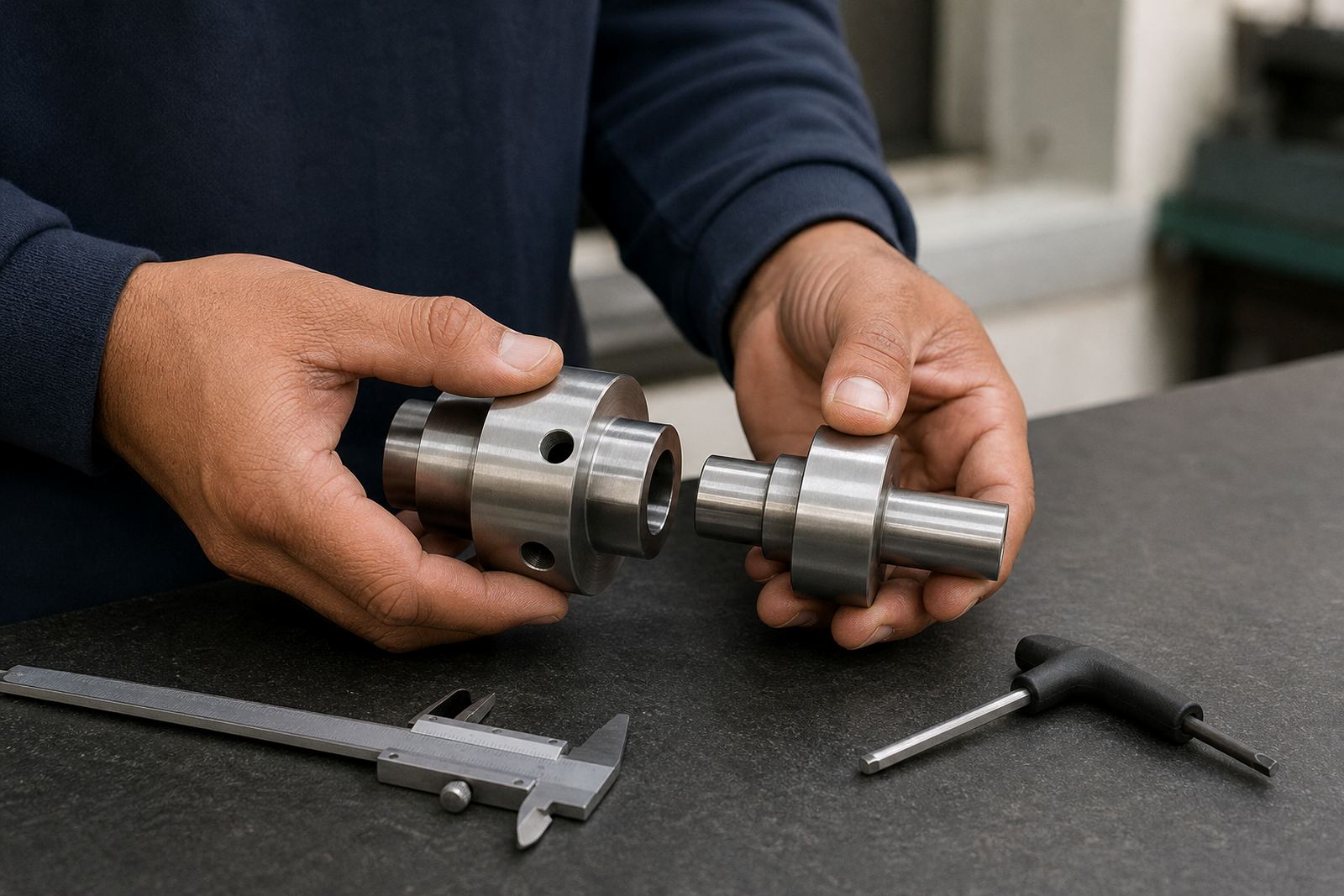
Use accurate measurements from the good features of the part, not the worn edges. Outer diameters, bore sizes, thicknesses, thread details, keyways, hole centres and mounting faces are usually the first points to confirm. If the part has symmetry, check both sides. If it mates with another component, measure the pair together where possible.
- Record all dimensions in millimetres, even if the old part was originally drawn in inches.
- Note worn areas separately so they are not mistaken for the intended size.
- Mark surface finish areas, pressed fits and sealing faces.
- Identify any special thread forms, grooves, chamfers or reliefs.
- Photograph the part beside a ruler or vernier for reference.
If a dimension cannot be confirmed, write it down as a question rather than guessing. That avoids confusion during drawing updates and helps the machinist decide what can be held to a tight tolerance and what should allow for fit adjustment.
Choose Material for the Actual Duty, Not Just the Shape
Material choice affects wear life, corrosion resistance, weight and machining time. For replacement parts, the original material is often a good starting point, but not always the best answer. A mild steel part that rusts in a coastal area may need a different finish or material. A plastic guide, bush or wear pad might need a grade that handles heat and friction better. Aluminium can be useful where weight matters, while free-machining metals are often selected for simpler turned or milled components.
For parts used in food areas, outdoor equipment or wet environments, the finish and material should be considered together. The replacement has to suit the actual service conditions in South Africa, from humid Durban conditions to drier inland sites in Johannesburg. PME CNC Machining can assist with material selection so the remake is practical for production and maintenance, not just visually similar.
Decide Whether the Part Is for Milling, Turning or Both
Replacement parts often combine more than one process. Turning is usually suited to round items such as pins, bushes, spacers, sleeves and stepped shafts. Milling is commonly used for flat faces, slots, drilled patterns, pockets and bracket features. Some parts need both, especially where a turned body carries milled flats, cross holes or locating features.
When the part is being remade, the machining method should be matched to the feature set and the quantity required. Small batches are often better handled with simple, repeatable setups that support consistent output. A part with a few critical faces may be easier to remake if the datum points are planned first, because that gives the operator a clear reference for each operation. This also helps if the part must fit existing equipment without further changes.
Check Tolerance, Fit and Assembly Before Release
Tolerances should be set according to function, not optimism. A sliding fit, locating fit or press fit all behave differently, so the remake has to match the assembly requirement. Where the original part was worn, the correct tolerance may depend on the mating component more than the old sample itself. That is why fit checks are important before final machining is released.
- Confirm whether the part must rotate, slide, seal, clamp or locate.
- Check if the mating part is also worn and needs inspection.
- Allow for thermal movement where heat changes the fit.
- Review thread engagement, bolt clearance and edge breaks.
- Ask for a sample remake when the fit is uncertain.
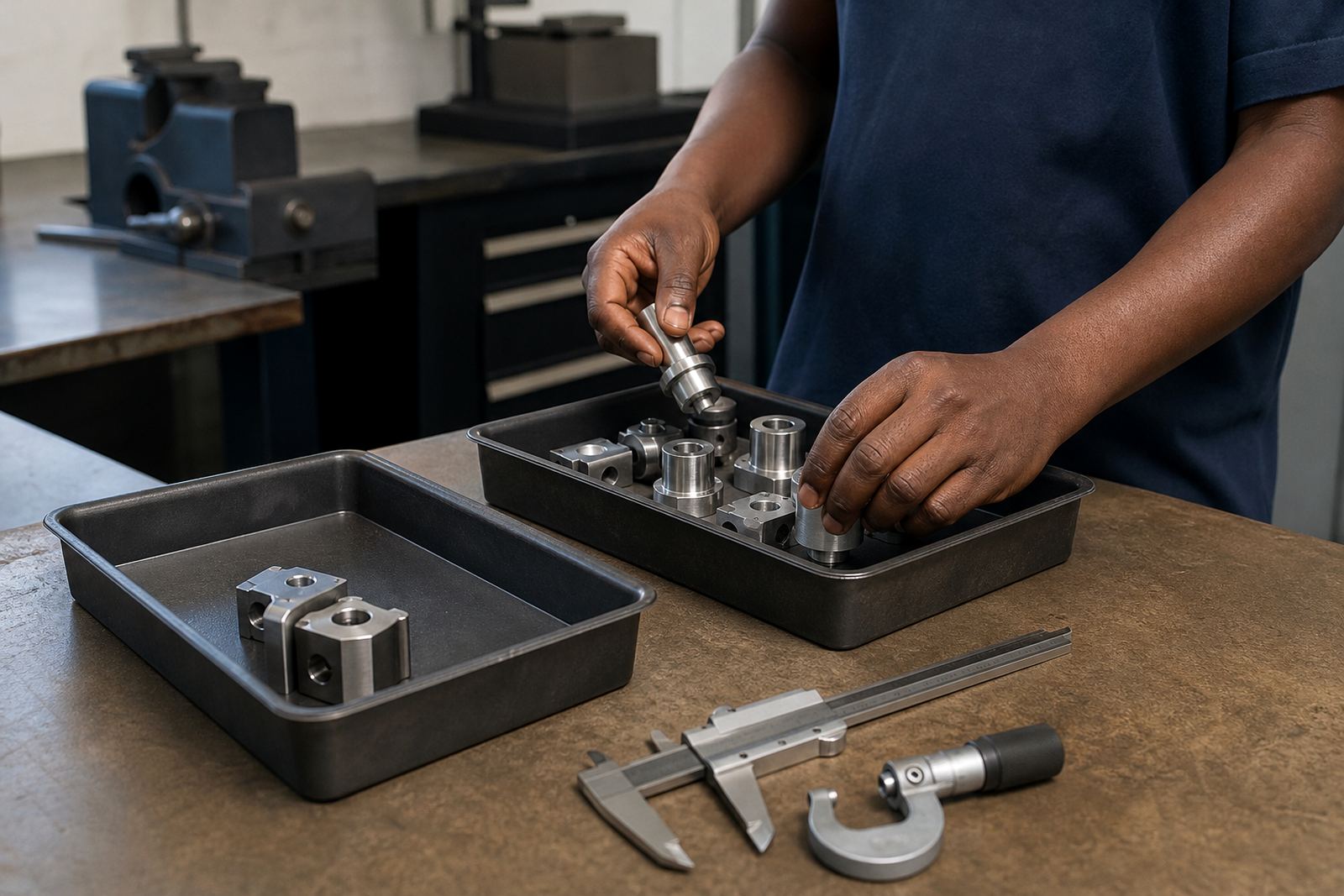
Inspection reporting is useful here because it gives a clear record of measured features and any changes made during the remake process. If a drawing is updated, the revision should show what was corrected and why, so repeat orders stay consistent.
Plan the Small Batch Before the First Cut
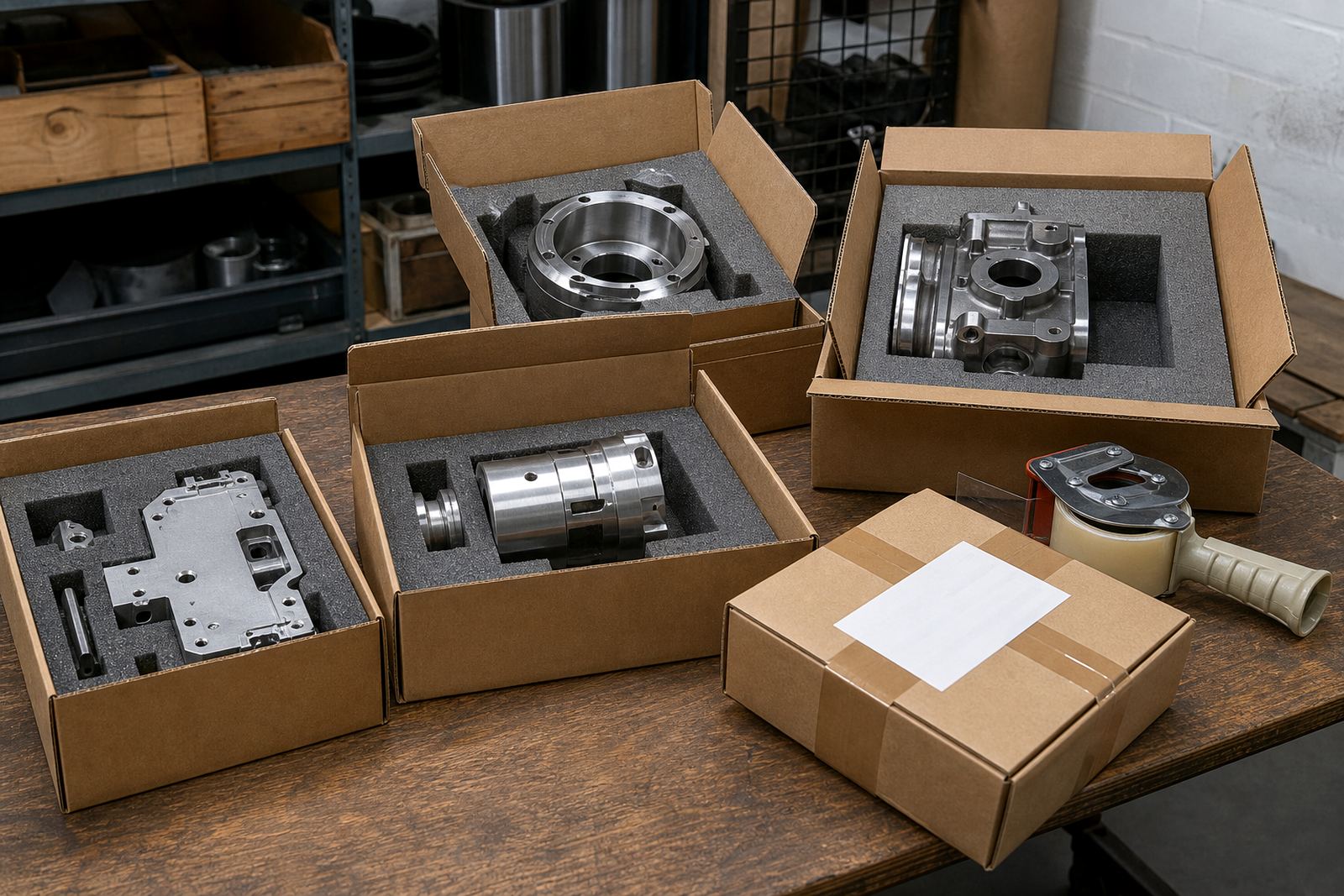
For small-batch replacement work, planning is just as important as machining. One-off parts and repeat orders both benefit from a clear sequence: drawing review, material confirmation, setup planning, machining, inspection and delivery coordination. If more than one part is needed, batch planning helps keep dimensions consistent from the first item to the last, instead of treating every piece as a separate job.
Good planning also reduces delays when a client is trying to get equipment back into service. In Pinetown and Westmead, many jobs come in with short turnaround needs because a line is standing or a machine is down. Clear information from the start helps avoid back-and-forth later. If the part is obsolete, the remake may also need drawing updates or a sample part remake before the full batch is approved.
Use the Checklist Before You Send an Enquiry
A complete enquiry saves time and improves the chance of getting the replacement part right the first time. Before using the contact form, gather the old part, the assembly details and any photos or notes that explain the failure. If the component has a special orientation, include that too. The more practical the information, the easier it is to assess the job for CNC milling, turning or a combination of both.
- Part name and where it is used
- Photos from several angles
- Key measurements in millimetres
- Material if known, or the service environment if not
- Quantity needed and whether a sample remake is required
- Any deadline linked to shutdowns or maintenance windows
PME CNC Machining handles replacement part enquiries for Durban, Pinetown, Pietermaritzburg, Richards Bay, Johannesburg, Umhlanga and nearby areas. From the first drawing review through to delivery coordination, the aim is straightforward: remake the part so it fits properly, works as intended and can be ordered again when needed.