What tolerance means on a machining drawing
When a drawing calls for a size, the tolerance tells the machinist how far that size may vary and still be acceptable. A shaft, hole, face or slot does not have to be exact to the last decimal, but it does need to be within the stated limit so the part will assemble and perform properly. In CNC milling and turning, tolerance choice affects tool selection, machining time, inspection effort and the chance of rework.
For small-batch work, tolerance should match the function of the part. A locating hole, bearing seat or seal face may need a tighter limit than a cover plate or general bracket. If the tolerance is tighter than the function requires, the job becomes harder to make and slower to check. If it is too loose, the part may rattle, bind or fail to fit during assembly.
- Use tighter tolerances where the part controls fit, alignment or sealing
- Use practical general tolerances on non-critical edges and outside profiles
- State the feature type clearly on the drawing, not only the size
How tolerance choice changes milling and turning work
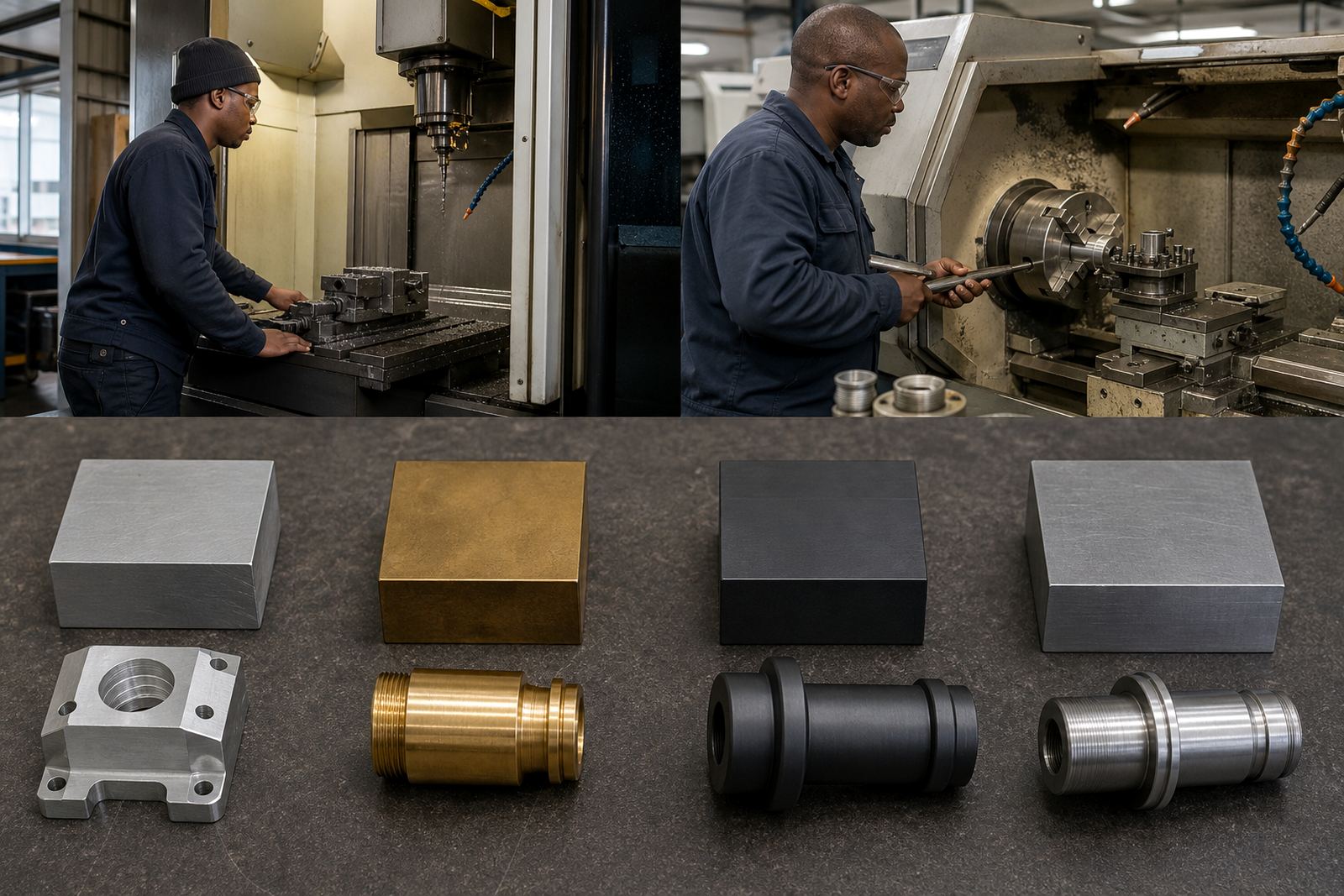
In CNC milling, tolerance can be affected by tool deflection, workholding, heat build-up and the number of finishing passes. In turning, the diameter, length, concentricity and surface finish all matter, especially on stepped shafts and threaded sections. A part with thin walls or deep pockets may need extra care because the material can move slightly once the cutter comes out of the cut.
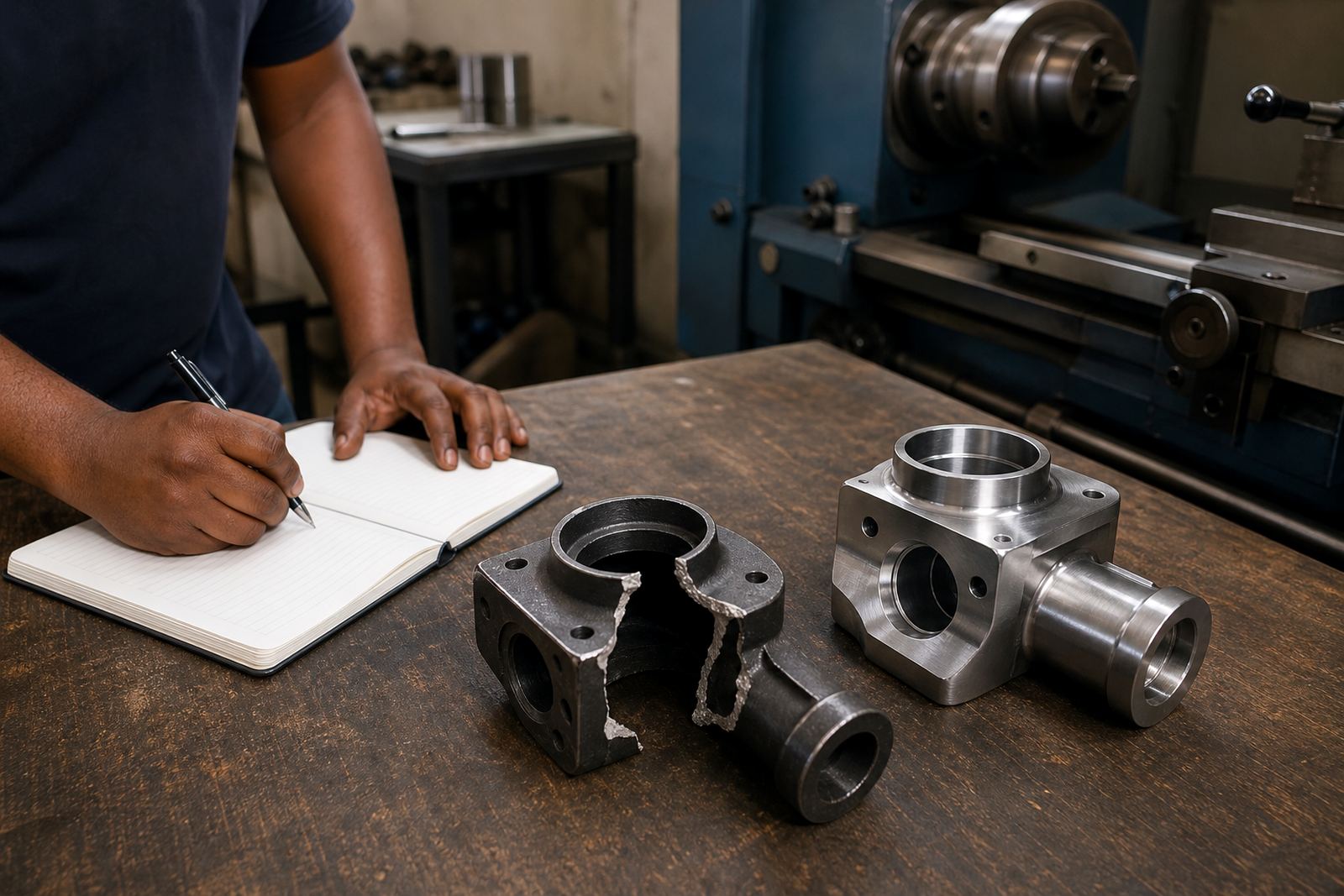
For small batches, the setting-up stage is often where the biggest gain or loss happens. A well-planned job with sensible tolerances can run smoothly from first article to final piece. A drawing that asks for very tight control on every surface may need more probing, more manual checking and possibly a sample remake if the part proves difficult in the chosen material. That is why tolerance guidance should happen before cutting starts, not after the first piece is already made.
- Tighter tolerances usually mean more set-up time and more inspection points
- Deep features, long shafts and thin sections can move during machining
- Finish passes may be needed to hold size and improve surface condition
Choosing the right tolerance for the job
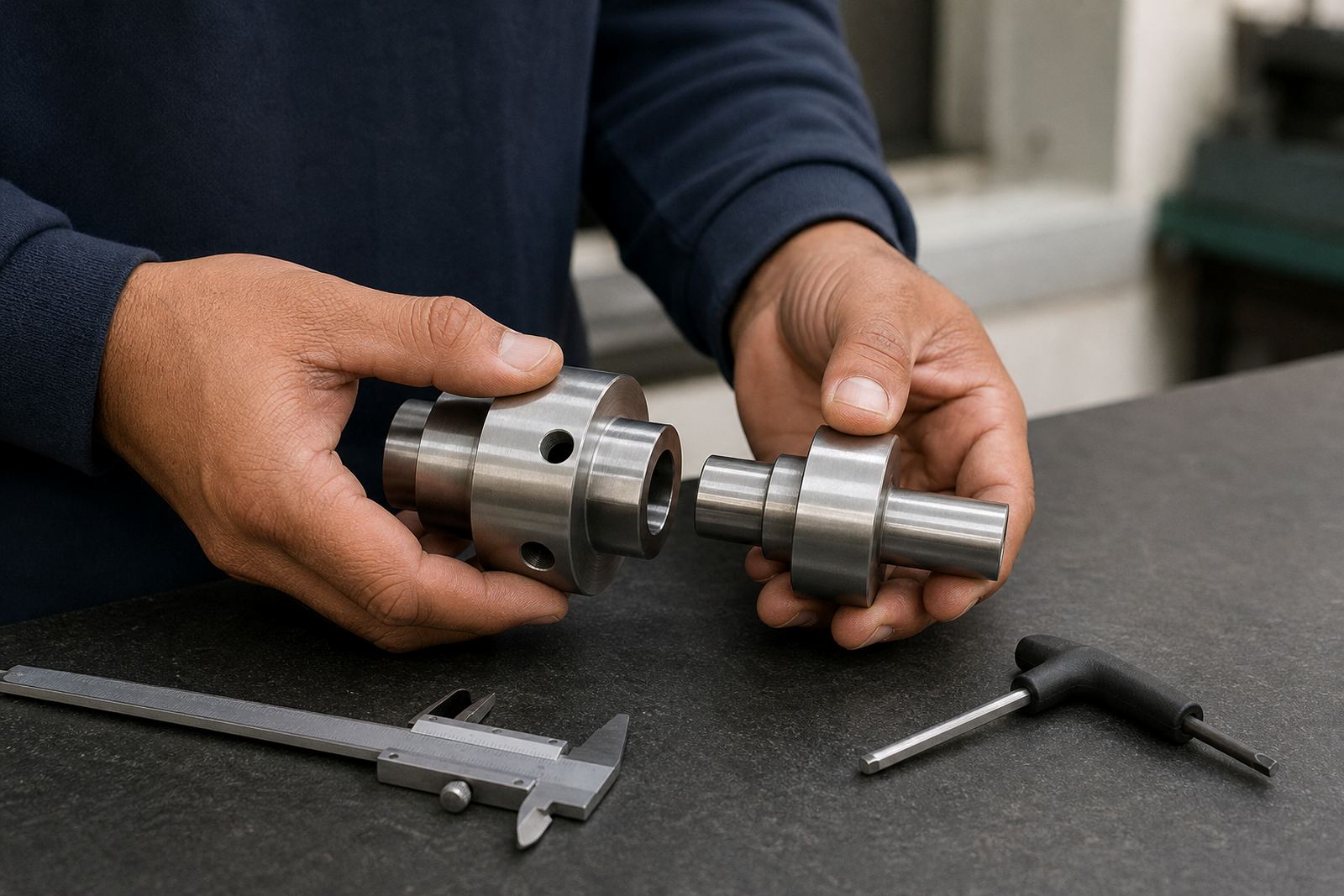
A buyer does not need to know every machining detail, but it helps to think about how the part will be used. If the component mates with another part, check whether it is a sliding fit, a press fit or a clearance fit. If it is only a bracket, spacer or protective plate, the tolerance can often be broader and still work well. In coastal areas like Durban and Umhlanga, material behaviour can also be affected by humidity and storage conditions, so the choice of material and the time between machining and assembly both matter.
For general engineering work, it is usually better to tighten only the critical features and keep the rest sensible. That approach can reduce cost and makes repeat orders easier to manage. It also helps when drawings are revised later, because only the important dimensions need careful control while the non-critical details remain practical for production.
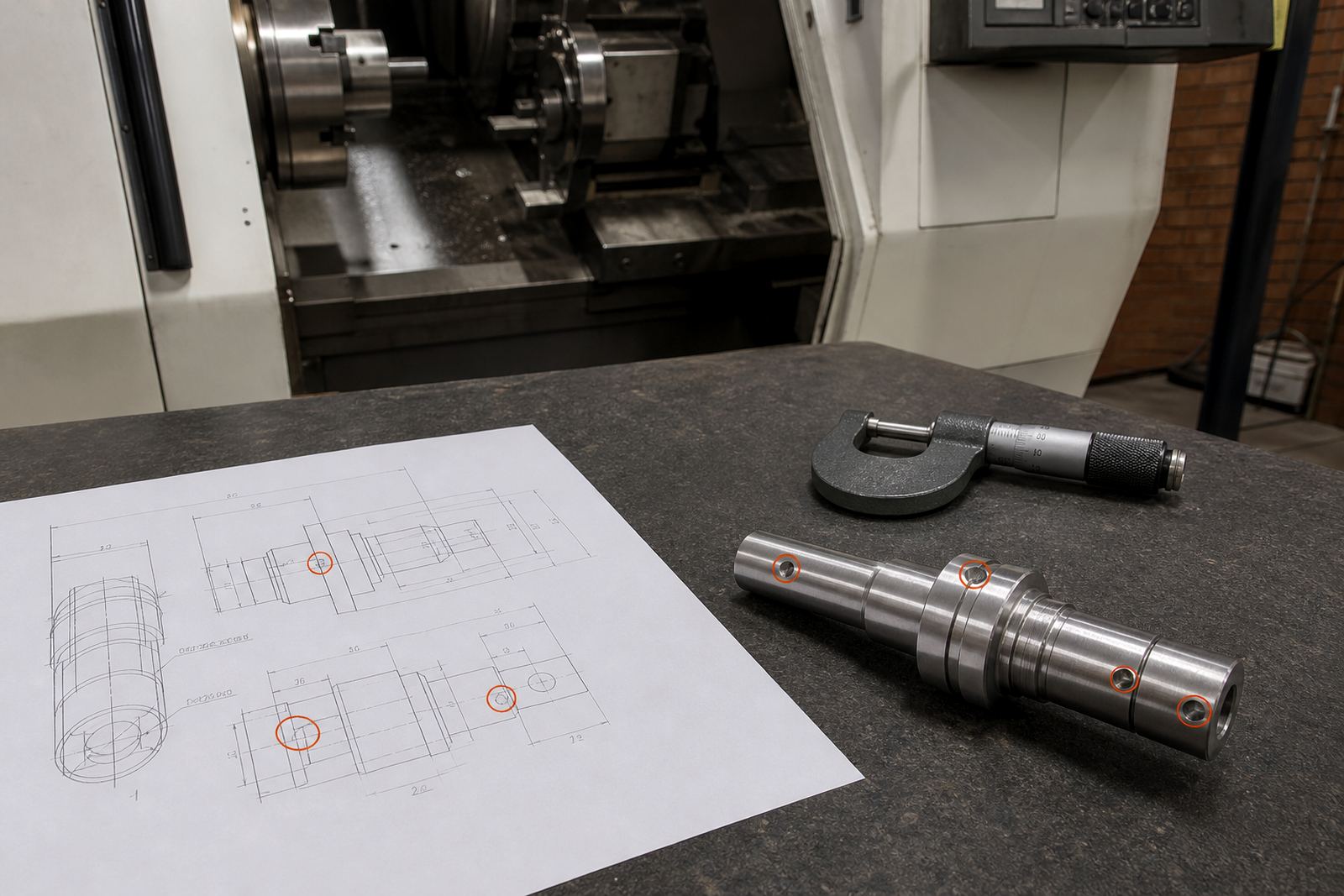
- List the critical features first: bores, shafts, faces, threads and datums
- Mark what must fit another part and what is only for appearance or cover
- Keep revisions clear so the shop is working from the latest drawing
Materials and tolerances are linked
Material choice has a direct effect on how tightly a part can be held. Aluminium, stainless steel, mild steel, brass, acetal and other engineering plastics each machine differently. Softer materials may move slightly after clamping is released, while harder materials can demand slower feeds and more careful tool control. Some plastics also expand and contract more with temperature, so a size that is fine in the workshop may shift a little once the part is in service.
If the component will be used near the coast, in a workshop with dust, or in an area where load-shedding interrupts production planning, it is worth considering corrosion resistance, stock availability and how the part will be handled between operations. A sensible tolerance on a well-chosen material is often better than an extremely tight tolerance on a material that is difficult to keep stable.
At PME CNC Machining in Pinetown, we support material selection, prototype planning and tolerance guidance for small-batch work. That means we look at the material, the function and the final assembly before deciding how the part should be made.
A simple checklist before you send a drawing
Before you submit a job, go through the drawing with a practical eye. This saves time and avoids back-and-forth once the part is already in production. If a feature is unclear, add a note or highlight it on the drawing so the requirement is easy to follow. The aim is not to over-explain everything, but to make sure the important points are understood.
- Are the critical dimensions clearly marked?
- Is the tolerance suitable for the fit and function?
- Are the material and thickness specified?
- Are threads, surface finish and deburring requirements shown?
- Is the latest drawing revision attached?
- Does the part need inspection reporting or assembly fit checks?
If you are ordering a repeat part, keep the approved sample and the latest drawing together. That makes it easier to compare the new batch with the previous one and spot small changes before the job leaves the workshop. It also helps when a drawing update is needed, because the next batch can be aligned to the corrected requirement.
How PME handles tolerance questions on small-batch work
Our process starts with drawing review and then moves to batch planning, part optimisation and inspection reporting where needed. For small runs, this practical sequence keeps the job focused on the actual requirement rather than on unnecessary detail. If a tolerance looks too tight for the part, we will flag it and explain why. If a feature needs a sample part remake or a drawing update, we will discuss that before repeat work begins.
Clients from Durban, Pinetown, Westmead, New Germany, Pietermaritzburg, Richards Bay, Johannesburg and Umhlanga use us for parts that need careful attention but not mass-production scale. Since 2008, we have found that the best results come from clear drawings, realistic tolerances and direct communication on what the part must do in service.
That approach keeps the job practical, helps with delivery coordination and gives buyers a clearer idea of what they are paying for. It also makes repeat orders simpler, because the tolerance choice has already been tested against the part itself.