Batch Planning for Repeat CNC Work
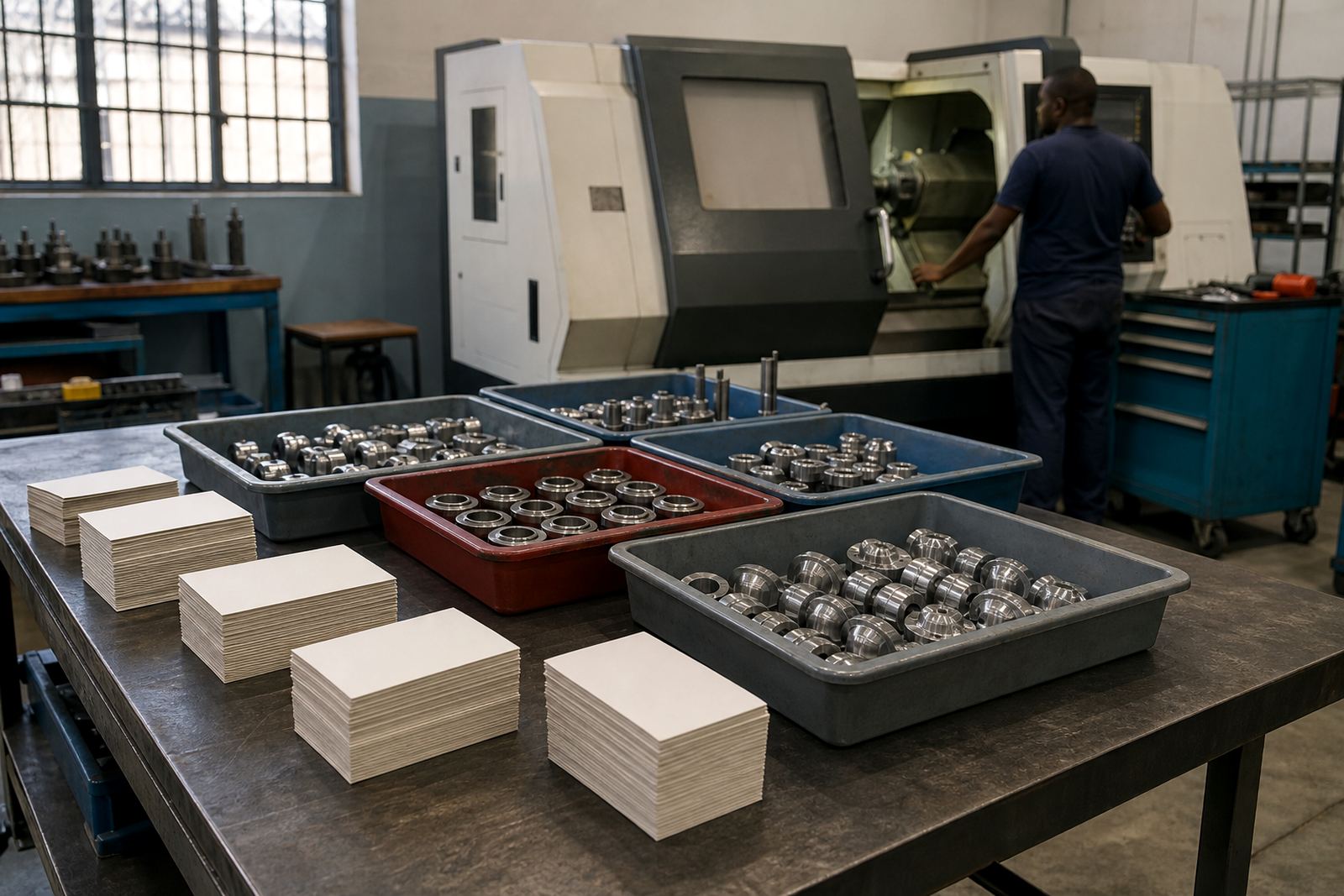
Batch planning is the practical side of repeat machining. It is where we look at your drawing, quantity, material, tolerances and final use, then organise the work so the same part comes off the machine in a controlled way across the full batch. For small runs, this matters because a job can look simple on paper but still vary once you factor in setup time, tool changes, material movement and inspection between stages.
At PME CNC Machining, batch planning is suited to clients who need consistent output without overproducing stock. That includes replacement parts, production spares, assembled components and short repeat orders for plants, contractors and engineering firms. We work from Pinetown and handle batch jobs for Durban, Westmead, New Germany, Umhlanga, Pietermaritzburg, Richards Bay and Johannesburg, with delivery coordination arranged to suit the order.
Good planning also helps when the material is not ideal. Aluminium machines differently from stainless steel, mild steel or engineering plastics, and coastal humidity can affect stored stock and finished parts if packaging and handling are left too late. A proper batch plan reduces waste, keeps changeovers orderly and helps avoid unnecessary remakes.
What We Include in Batch Planning
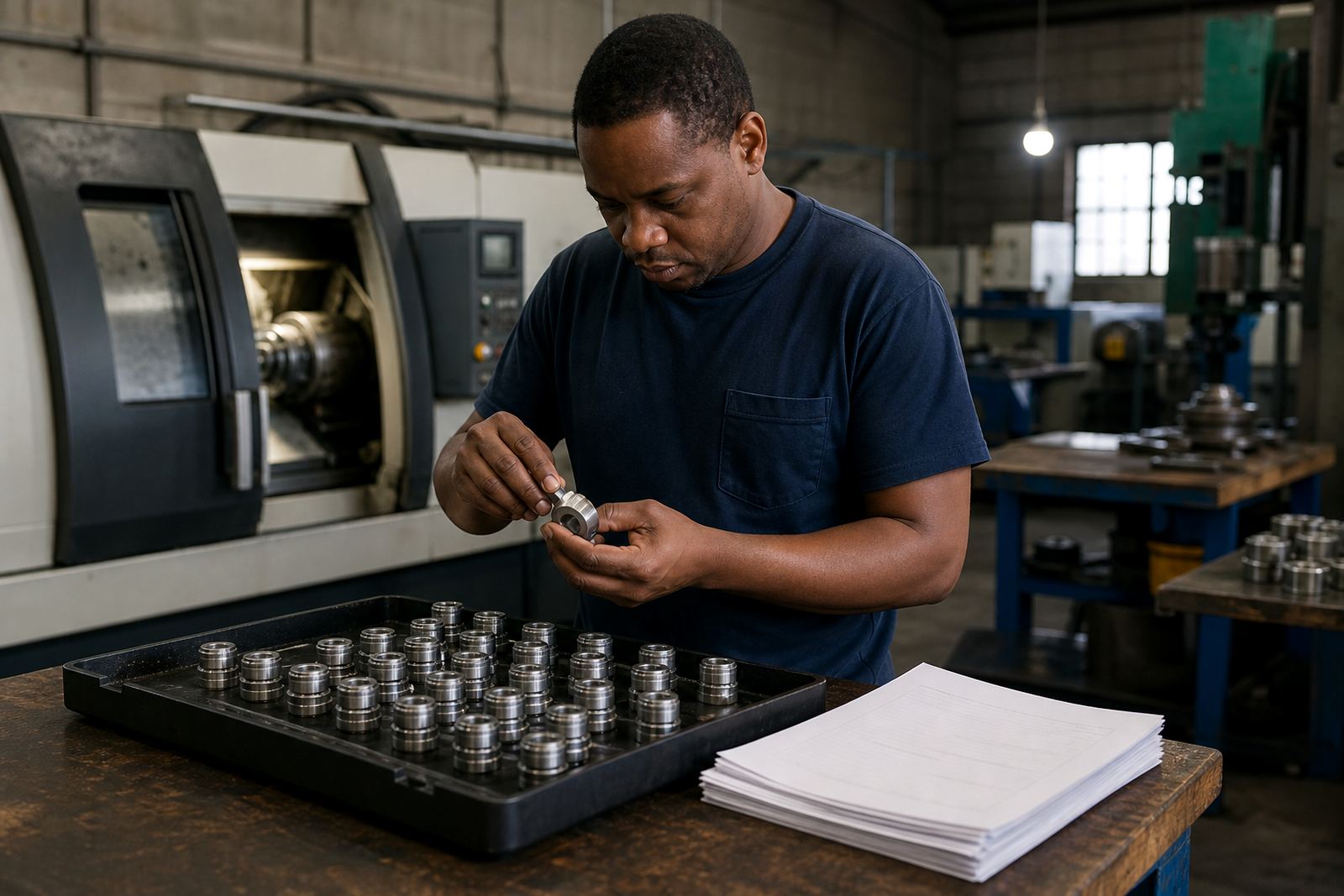
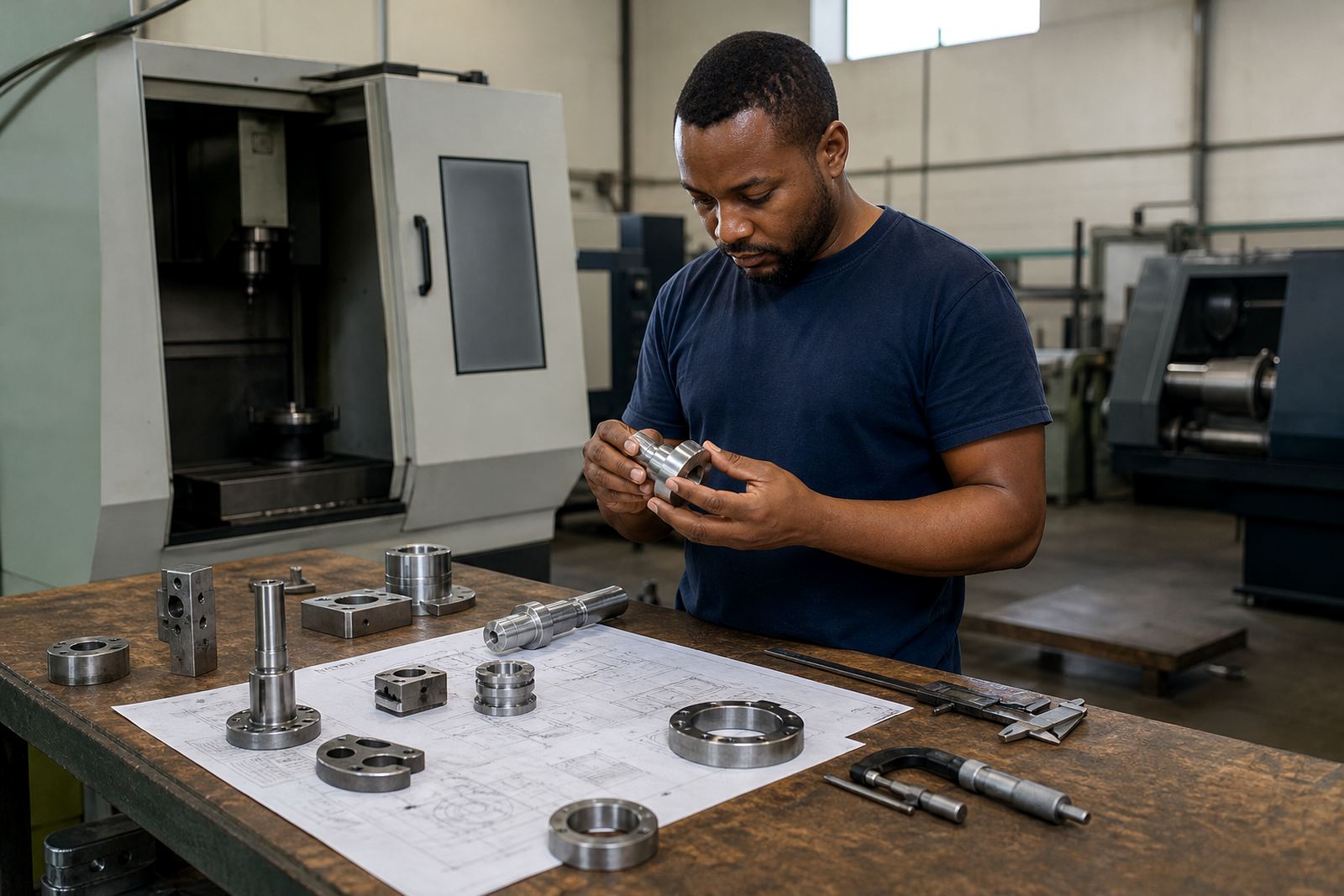
Batch planning at PME CNC Machining is not just a schedule. It is a working plan for how the parts will be produced, checked and handed over. We review the drawing, check the features that need milling or turning, and group the operations so the batch can run with fewer interruptions. Where a part has both machined faces and turned diameters, we sequence the work to reduce handling and keep alignment under control.
- Drawing review for dimensions, notes and critical features
- Material selection guidance based on strength, wear and finish needs
- Prototype or sample part planning before the full batch
- Grouped operations for similar cuts, bores, threads and profiles
- Tolerance guidance where tighter control is needed on fit surfaces
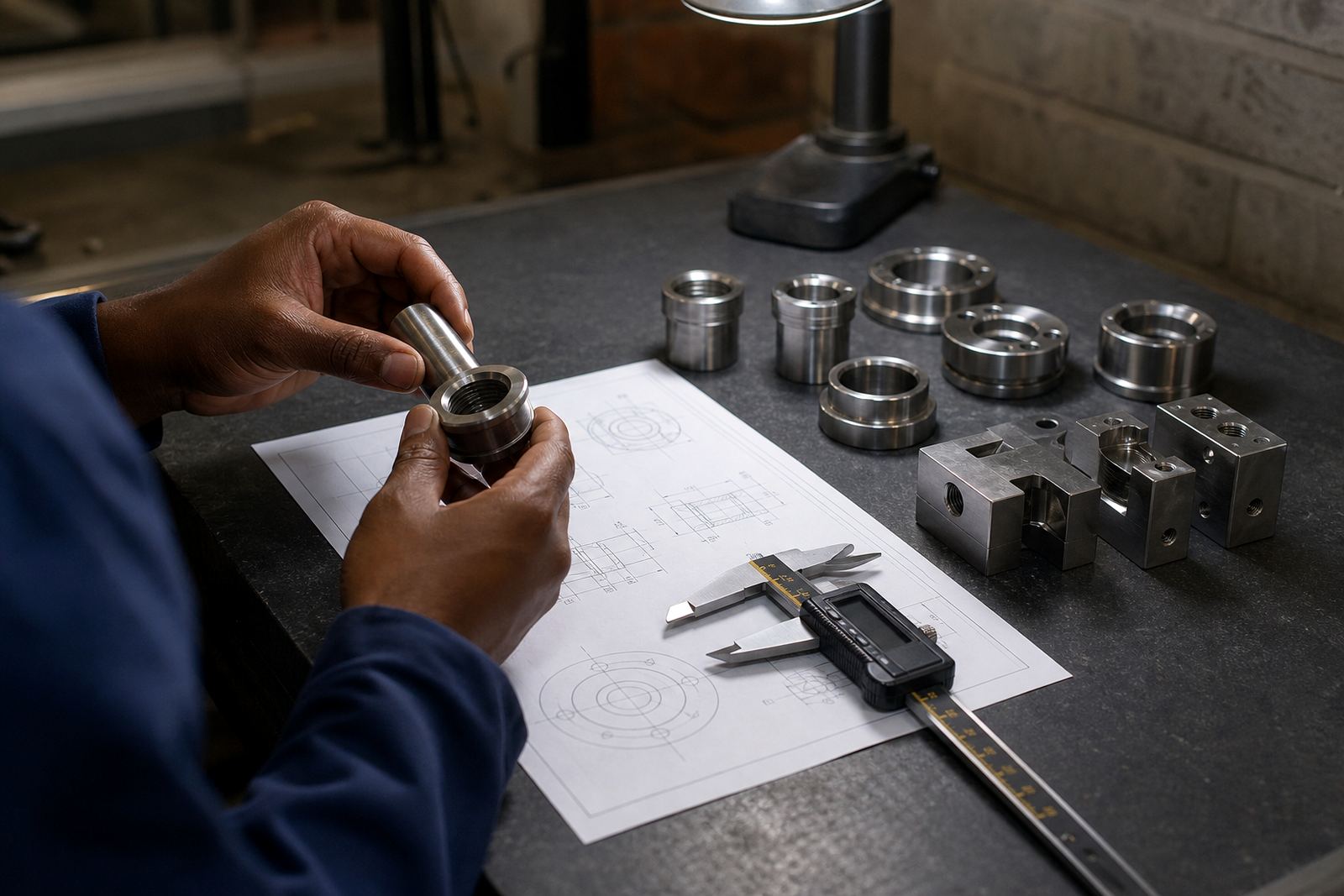
- Inspection reporting for key measurements during the run
- Repeat order support when the same part returns later
We also help with part optimisation if a drawing can be made easier to machine without changing its function. In some cases a small adjustment to hole placement, corner radii or stock size can save time on each unit and make repeat production more stable. That kind of review is especially useful when the job has to be repeated after a few months and the original supplier file is not complete.
How the Planning Process Works
The process starts when the enquiry comes in through the contact page and the drawing or sample information is reviewed. From there, we look at the batch size, whether the parts are for assembly, and how much variation is acceptable on the finished dimensions. If the part needs to fit into an existing assembly, we pay close attention to the mating surfaces, hole centres and threads so the batch is planned around the actual use, not just the drawing on its own.
Next, we map the machining stages. On a milling job that can mean face, edge, slot and pocket operations in a set order. On a turning job, it can mean roughing, finishing, drilling, threading and parting off with the right inspection points built in. Where needed, we add a sample part remake step so the first-off item can be checked before the rest of the batch is released. That keeps the job moving and gives the client confidence before full production begins.
Once the batch plan is approved, we set the production sequence and coordinate material, tooling and inspection timing. If the job has repeat dates, we keep a clear record of the agreed drawing revision and any changes made during the previous order. This is useful for long-term clients because it reduces confusion when the same item comes back later and keeps the work consistent from one run to the next.
Typical Specs for Planned Batch Jobs
Batch planning works best when the technical basics are clear from the start. We do not promise the same figures on every material and process, because tolerance and finish depend on the part design, machine method and stock condition. Still, the following gives a practical guide to the sort of jobs we plan every week for local and national clients.
- Part types: small-batch components, repeat spares, fixtures, adapters and assembly parts
- Processes: CNC milling, CNC turning, secondary drilling, threading and finishing
- Materials: aluminium, mild steel, stainless steel, brass and engineering plastics, subject to suitability
- Tolerance guidance: set to drawing requirements, with closer control on fit and functional faces where possible
- Batch size: short runs and repeat quantities planned around the same setup to improve consistency
- Output checks: first-off inspection, in-process checks and final verification before handover
Where a client needs parts for outdoor service, wet areas or coastal sites, we also consider corrosion resistance and handling conditions. That matters in KwaZulu-Natal especially, where humidity and salt air can affect storage and surface condition if the batch is left unpacked for too long.
Turnaround, Pricing Approach and Reorder Support
Turnaround depends on material availability, drawing complexity, the number of operations and whether a sample approval is needed before the batch continues. Straightforward repeat work with clear drawings can usually be moved faster than jobs that need new setup work, tolerance checks or drawing clarification. If a part is urgent, we try to group the work so the machine time is used efficiently, but we still keep the inspection steps in place.
Our pricing approach is based on the real work required for the batch rather than a one-size-fits-all figure. That means setup time, machine time, material use, inspection effort and any drawing updates are considered together. For repeat orders, pricing can often be planned more accurately once the first batch has been completed and the setup details are known. We keep the process practical so clients know what affects cost before the job starts, instead of discovering it after the fact.
Repeat order support is part of the service. If the same part comes back later, we can use the previous batch record to confirm the drawing revision, size checks and any remarks made during the last run. That helps when a plant has maintenance cycles, planned shutdowns or scheduled replacements and needs the next batch to match the last one properly.
Inspection and Maintenance Intervals for Consistent Output
For batch work to stay consistent, the machine setup and inspection rhythm matter as much as the design itself. We build in maintenance intervals around the job so tooling condition, fixture alignment and measuring points are checked before small drift becomes a bigger problem. This is especially important on repeat parts where a minor shift in setup can affect fit across the whole batch.
In practical terms, we look at the work in stages. Tooling is checked before the run, fixtures are confirmed after setup, and key dimensions are measured during production rather than only at the end. If the job runs across more than one shift or is repeated later, the same notes are carried forward so the process stays consistent. This approach supports clean batch output, especially where a part has to mate with another component or sit within a tight assembly.
Maintenance intervals also help with delivery planning. If the batch is going to Durban, Johannesburg or a coastal site from Richards Bay to Umhlanga, we want the parts packed and released in good condition. Clear sequencing, sensible handling and inspection before dispatch all reduce the chance of damage or delay. It is simple work, but when it is done properly the job tends to run better, and the parts fit first time more often.
Key facts
| Service focus | Planning assistance for repeat quantities, grouped operations and consistent batch output |
|---|---|
| Location | Pinetown, KwaZulu-Natal |
| Main processes | CNC milling and CNC turning with secondary drilling, threading and finishing where needed |
| Material types | Aluminium, mild steel, stainless steel, brass and engineering plastics, subject to job suitability |
| Batch guidance | Short runs, repeat orders and small production quantities planned around one controlled setup |
| Client areas | Durban, Westmead, New Germany, Pietermaritzburg, Richards Bay, Johannesburg and Umhlanga |