What Delivery Coordination Covers
Our delivery coordination service is about getting finished CNC parts out of the workshop and into your hands without avoidable delays or damage. For small-batch work this often matters just as much as the machining itself, especially when parts are going into assemblies, maintenance shutdowns or scheduled installation work.
We arrange practical handover steps for collections, local deliveries and national courier dispatch from Pinetown. That includes confirming the ready date, checking the packing requirement for the part size and surface finish, and making sure the load leaves with the correct job reference and delivery notes. If a client needs parts to reach Durban, Pietermaritzburg, Richards Bay or Johannesburg by a specific day, we work backwards from that deadline and plan the handover accordingly.
- Collection readiness confirmation
- Courier packing and labelling
- Delivery timing alignment with site or workshop schedules
- Job reference matching for traceability
Packing Methods For Machined Components
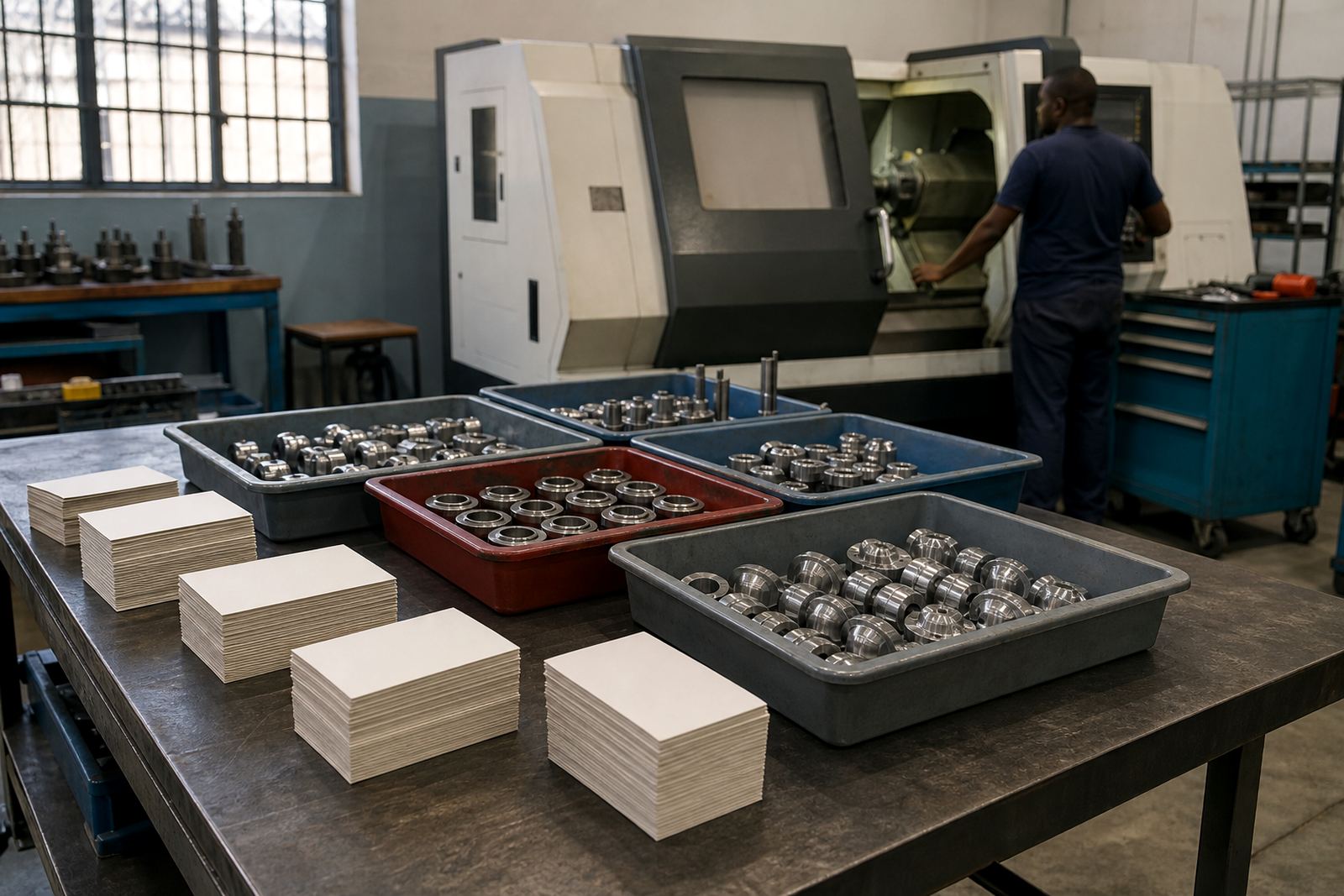
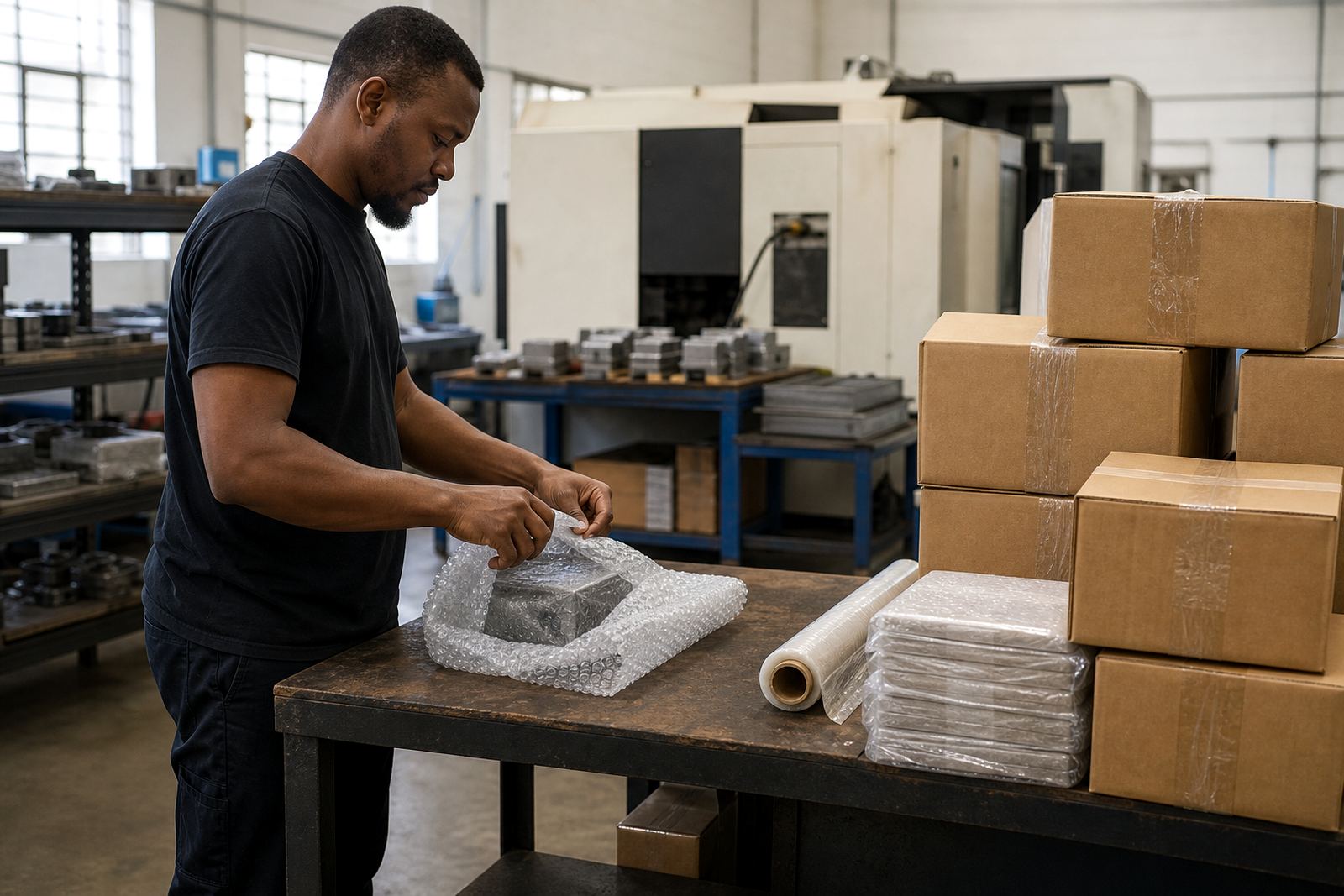
Machined parts can arrive with clean edges, accurate bores and finished faces, but still be spoiled by poor packing. We select packing based on the part geometry, material and surface condition. Small turned parts may be grouped in separated trays or wrapped to prevent metal-on-metal contact. Longer milled items may need edge protection and support so they do not shift in transit. If a component has a critical mating face or a tight tolerance hole, we protect that area first.
We also consider the conditions that parts may face in transit. Coastal humidity around Durban and Umhlanga can affect unprotected steel, so we use suitable wrapping and moisture control where needed. For parts moving through multiple hands, clear labels help avoid mix-ups at receiving bays and stores. It sounds simple, but it saves time and keeps the part condition intact.
- Protective wrapping for finished surfaces
- Support for long, thin or irregular parts
- Separation for mixed batches
- Labeling for job identification and receiving
How A Delivery Job Is Scheduled
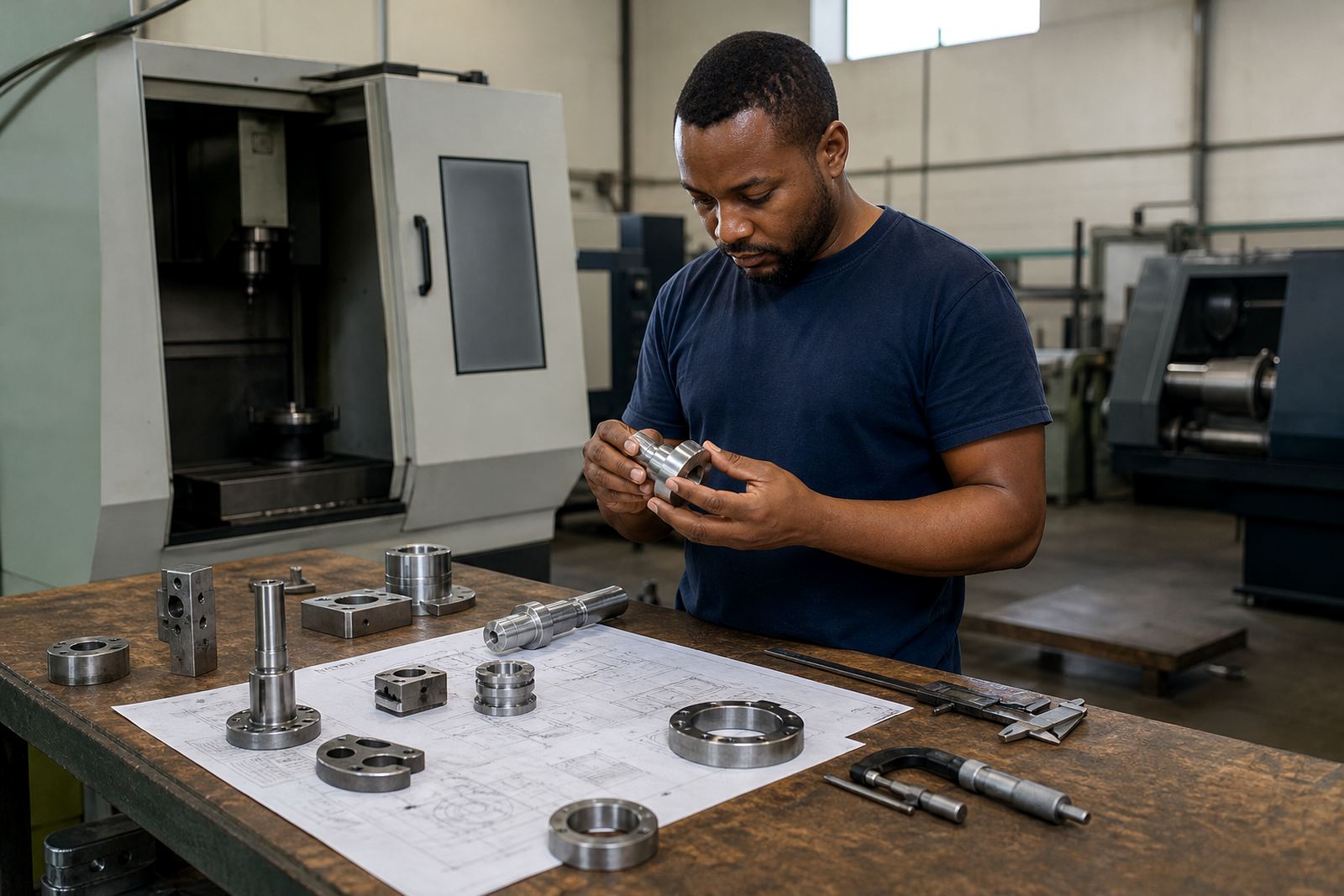
Every delivery is linked to the machining programme, inspection status and client deadline. Once the parts are complete and checked, we confirm whether collection, direct delivery or courier transfer is the best route. Where a project has several part numbers, we can stage them for partial release if that helps the receiving team or installation crew. This is useful for repeat orders and maintenance work where not every item is needed on the same day.
The process is straightforward. We confirm the finish date, check that the order is ready for release, prepare the packing, and then hand the parcel over to the chosen transport method. If there is a delay on the client side, or a site window changes, we can adjust the timing if the parts are still in house. Communication matters here because many customers are coordinating machine shutdowns, fitment slots or dispatch from another province.
- Ready date confirmed from the production schedule
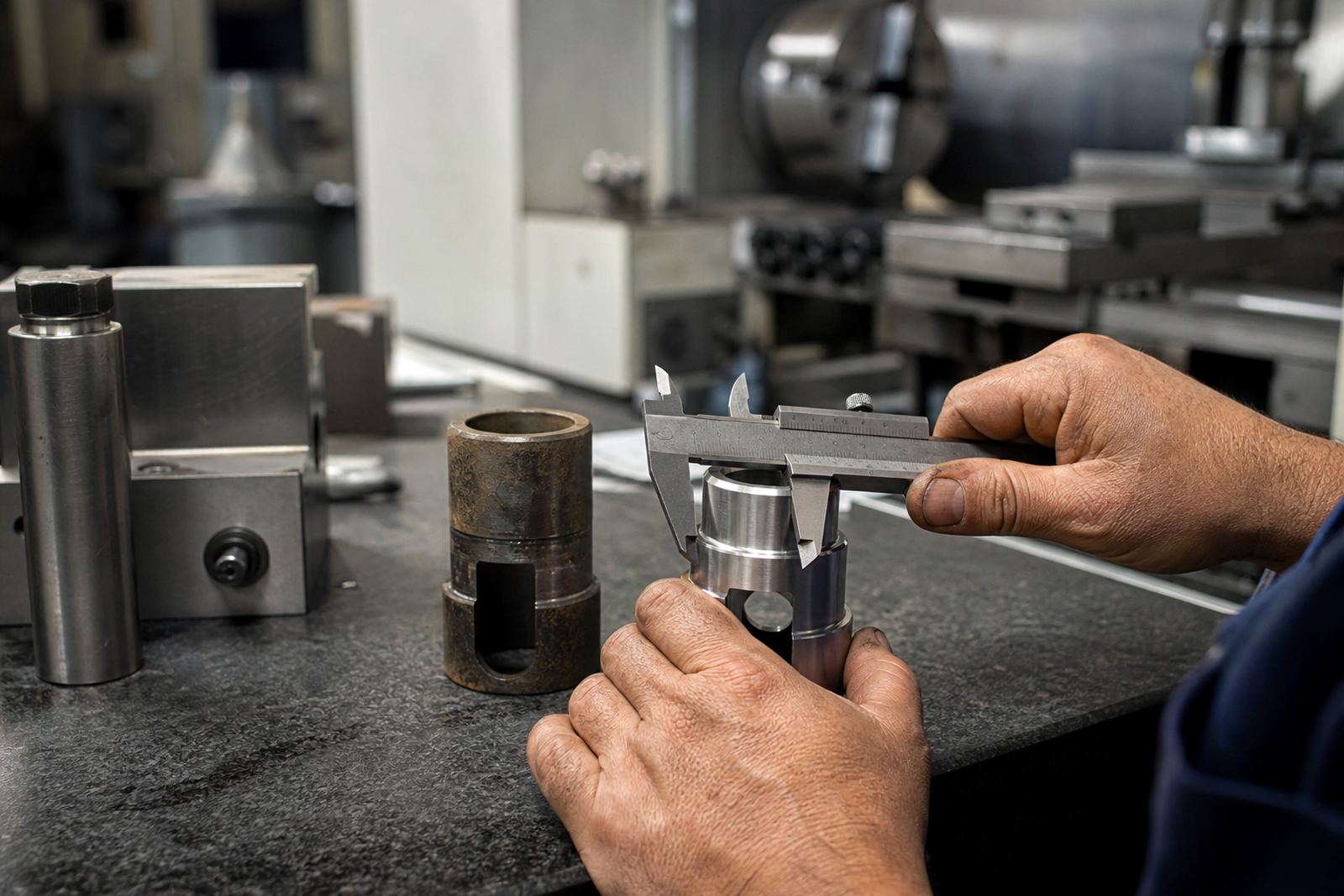
- Packing and release checked against the inspection record
- Collection or courier arranged to suit the deadline
- Delivery timing rechecked for site access or receiving hours
Turnaround Factors And Practical Lead Times
Delivery turnaround depends on a few practical points: the size of the batch, the distance to the destination, the type of packing required, and whether the receiving point has special access rules. A local Pinetown or Durban collection can often move quickly once the parts are ready. Regional and national deliveries need a bit more planning, especially if a site only receives goods at certain times or if the parcel must connect with another transport leg.
We do not treat delivery as a separate afterthought. For CNC work, the lead time on the shop floor and the lead time in transit should be planned together. If a part is for an assembly line, a repair bay or a scheduled fit-up, delivery needs to land in the right window. Miss the window and the part can sit idle for days, which is never ideal. We try to prevent that with early coordination and clear handover instructions.
Pricing Approach For Courier And Collection Handling
Delivery coordination is priced according to the actual handling involved, rather than a one-size-fits-all approach. Small local collections, boxed parcels and straightforward handovers are different from fragile parts, urgent dispatches or consignments that need extra packing. The material type and part size also influence the amount of preparation needed. A compact aluminium part is not handled the same way as a long steel shaft or a delicate machined plate.
Where possible, we group delivery planning with the machining order so there are no surprises at release. If the client wants to use their own courier or driver, we prepare the goods for handover and make sure the collection point, reference and timing are clear. If we are managing the delivery side as part of the job, the focus is on practical cost control and proper protection, not unnecessary extras.
- Cost depends on packing complexity and distance
- Urgent dispatch may need earlier release planning
- Client arranged collection can be prepared for handover
- Packaging choice is matched to the part and route
Materials, Sizes And Handling Requirements
Different materials ask for different handling. Mild steel, stainless steel, aluminium and engineering plastics each behave differently in transit and when packed for storage. For example, stainless parts need protection from surface marking, while aluminium can be damaged by rough stacking. Plastic components may need support against distortion if they have thin walls or long spans. These details matter when the finished item has a close fit or a visible surface.
We also look at the physical size of the part and the route it will travel. Short production parts can be boxed securely for courier movement, while larger machined items may need a more direct collection plan. If a batch includes multiple sizes, we sort and label them so the receiving team can identify each item without opening every wrap. That is especially useful for workshop stores and maintenance teams working under time pressure.
Maintenance Intervals And Repeat Order Dispatch
For repeat orders and maintenance-related components, delivery coordination works best when the expected replacement interval is known. Some parts are ordered for planned servicing, others are kept as spares for unplanned stoppages. When we know the likely cycle, we can help clients schedule future dispatches more efficiently and avoid rushed collections. This is useful for businesses that run equipment in coastal conditions, on shift work, or in areas where access is tied to municipal operating hours or security gates.
Repeat support can include keeping the delivery method consistent from one order to the next, adjusting packing if the part design changes, and aligning release dates with the maintenance plan. If drawing updates or part optimisation affect the finished dimensions, we factor that into the next handover so there are no surprises at receiving. It keeps the job practical and helps the next fitment go smoother, which is what most clients want in the end.
Key facts
| Base area | Pinetown, KwaZulu-Natal |
|---|---|
| Primary service area | Durban, Pinetown, Pietermaritzburg, Richards Bay and Johannesburg |
| Service type | Collection planning, courier packing and delivery timing coordination |
| Parts handled | Small-batch CNC milled and turned components |
| Typical handling options | Client collection, local delivery, national courier dispatch |
| Related support | Inspection reporting, repeat order support, drawing updates, assembly fit checks |