What We Check on a Drawing
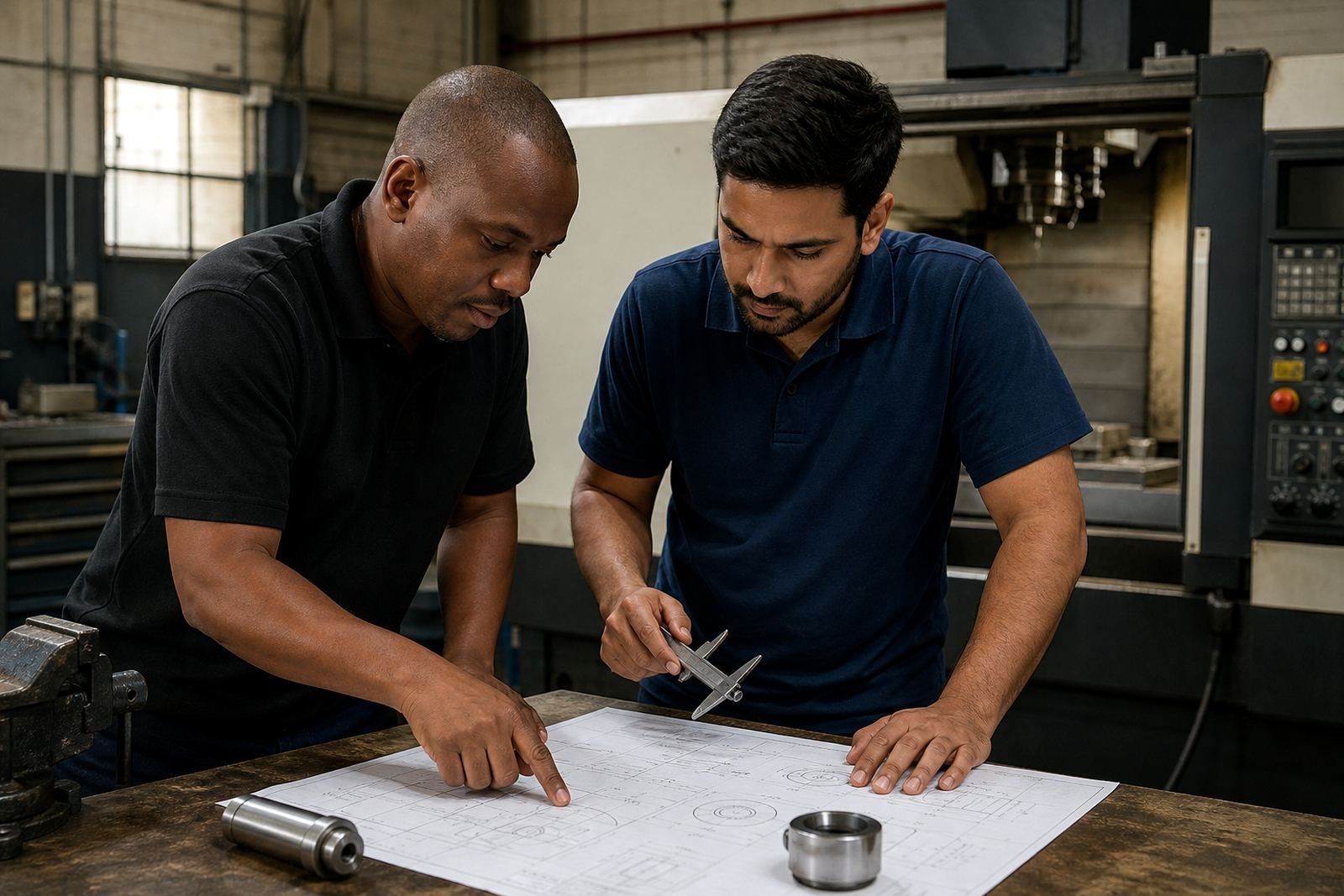
Drawing review is the first step where we look at the part as a machinist would. We check overall size, critical dimensions, hole callouts, thread details, radii, chamfers, surface finish notes and any special instructions that may affect CNC milling or turning. If a part has tight fits, unusual geometry or features that depend on a second operation, those points are flagged early.
We also look for things that can slow production or create unnecessary cost, such as repeated dimensions, missing datums, unclear tolerances or material notes that do not match the part function. When a drawing leaves room for interpretation we will raise it before cutting begins, because a clean plan at the start usually saves time later.
How the Review Process Works
Clients send through the drawing and any supporting information on the enquiry form, then we assess the part against the intended use, batch size and machining method. For simple parts the review may be straightforward, while more detailed components can need a few rounds of questions to confirm the best approach. We work with customers in Pinetown, Durban, Pietermaritzburg, Richards Bay and Johannesburg, so remote checking is part of our normal process.
- Confirm the drawing version and revision level
- Identify critical features and fit requirements
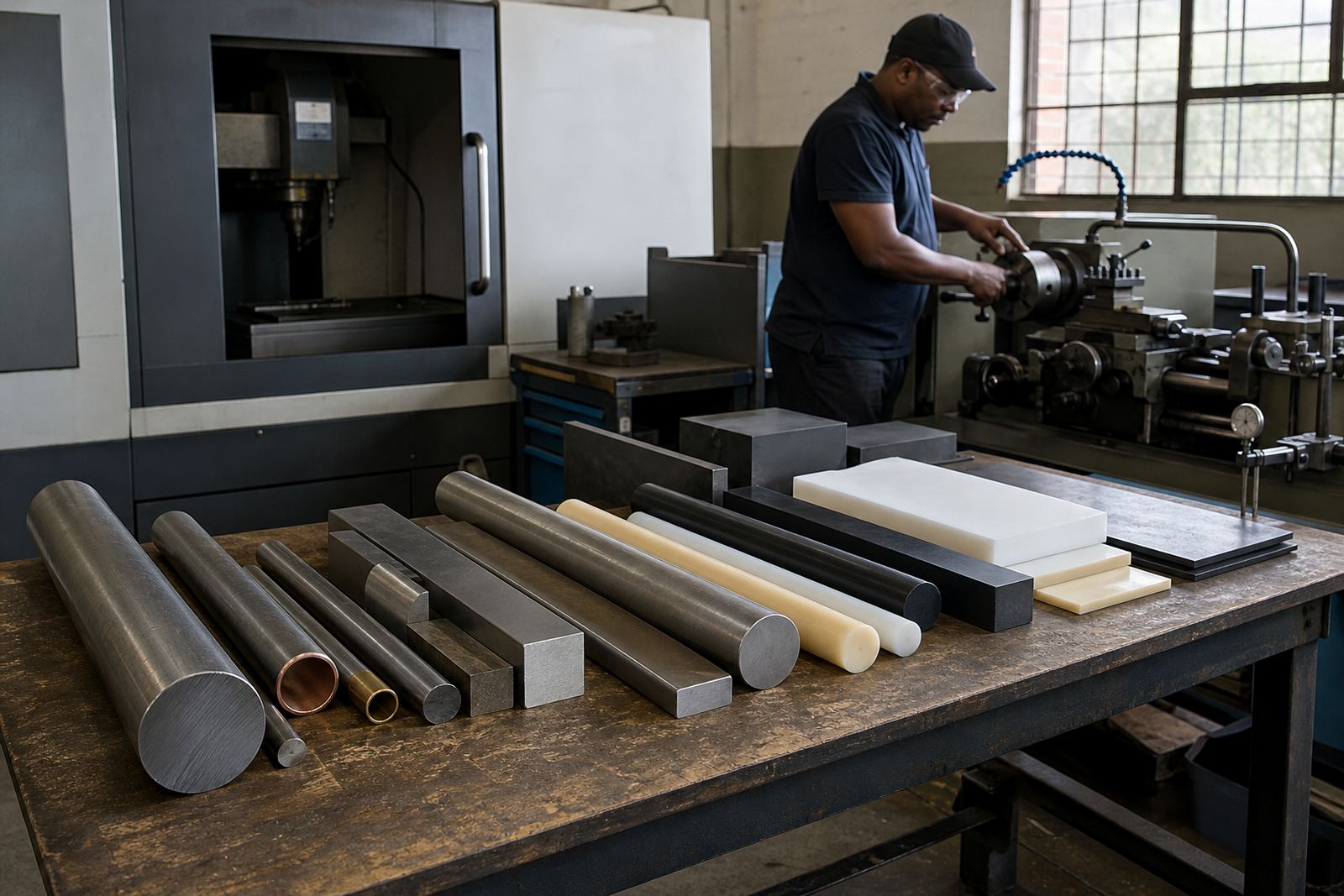
- Check material suitability for the intended job
- Highlight unclear dimensions or missing notes
- Suggest any practical changes before machining
If a drawing is already suitable, we simply confirm the machining path and move toward planning. If changes are needed we explain them in plain terms, so the client can decide whether to update the drawing or proceed with a controlled exception.
Practical Machining Guidance Included
Drawing review is not only about reading the print. It is about making sure the part can be produced repeatably in a job shop setting, especially for small batch work. We consider where to hold the part during milling or turning, whether a feature can be reached in one setup, and whether the tolerance asked for is appropriate to the function. In some cases a tolerance may be reasonable on one feature but excessive on another, so we separate the critical points from the general ones.
- Tolerance guidance for functional features
- Material selection advice based on use and environment
- Prototype planning for first-off parts
- Batch planning for repeat orders
- Assembly fit checks where parts must mate with existing items
For coastal areas such as Durban and Umhlanga, we may also consider corrosion resistance and wear concerns. In industrial areas inland, we may look harder at abrasion, temperature and service access. The aim is practical fit and long term use, not just a drawing that looks correct on paper.
Typical Issues We Pick Up Early
Many delays come from small drawing problems that are easy to miss at quoting stage. A hole may be dimensioned from the wrong face, a thread callout may not include depth, or a slot may not leave enough wall thickness for the chosen material. We often find conflicting notes between views, missing section details, and dimensions that can be interpreted more than one way. That is where a proper drawing review adds value.
We also check whether the part suits the intended production method. A shape that is easy to mill may be difficult to turn, and a turned component may need extra thought if it includes cross holes, flats or keyways. By pointing out these practical issues early, we help reduce scrap and avoid stop-start production once the job is underway.
Turnaround and Pricing Approach
Turnaround depends on drawing complexity, the number of features to check and how much clarification is needed from the client. Straightforward parts can often be reviewed quickly, while detailed components or repeat order jobs may need a longer look to make sure all features are properly understood. If there is urgency because a customer is waiting on an assembly or a site shutdown is approaching, we work to prioritise the review where possible.
Pricing is handled on a job basis and linked to the amount of review time needed. A simple drawing check is not the same as a full production planning exercise, so we keep the approach clear and fair. If additional changes are requested such as drawing updates, sample part remake work or extra inspection reporting, those are handled separately so the scope stays transparent.
Repeat Orders and Ongoing Support
For repeat work, drawing review is not a once-off exercise. Parts can change over time, measurements from an installed component can shift, and customers may update their own assemblies. We recommend a review at the start of each new batch if the part has been idle for a while, and again whenever the drawing revision changes or the fit requirement becomes tighter. That keeps the job aligned with what the client actually needs.
We also support drawing updates when a part has been improved after a first run. If the first sample showed a practical issue, we can help make sure the revised drawing reflects the correct machining notes, finish requirements and inspection points before the next batch is cut. That way the job stays organised and the same mistakes do not carry over.
- Review before repeat production runs
- Update notes after sample part changes
- Check revised revisions before release
- Coordinate with delivery and inspection records
Key facts
| Service type | Drawing Review for CNC milling and turning |
|---|---|
| Location | Pinetown, KwaZulu-Natal |
| Client coverage | Durban, Pinetown, Pietermaritzburg, Richards Bay, Johannesburg and surrounding areas |
| Typical focus | Features, dimensions, tolerances, materials, fit and machinability |
| Job size | Small batch parts and repeat orders |
| Enquiry method | Contact form on the website |