Prototype Planning for Parts That Need to Work First Time
Prototype planning is where an idea gets tested against real machining limits before full production starts. At PME CNC Machining in Pinetown we look at the part as a working component, not just a drawing. That means checking how it will be held, what can be machined in one setup, where tool access may be limited, and which features need special attention before a small batch is cut.
For early stage work this can save time later, especially when a component will need a second operation, a closer tolerance on a mating face, or a material change to suit heat, wear or corrosion. We support clients in Durban, Westmead, New Germany, Pietermaritzburg, Richards Bay, Johannesburg and Umhlanga with prototype guidance that keeps the job practical from the start.
- Review of drawings and 3D data where available
- Advice on milling and turning features that affect cost and repeatability
- Checks on wall thickness, edge distance and clamp access
- Guidance on whether a sample part should be made in one piece or in stages
What We Check Before the First Cut
Prototype planning starts with the part’s purpose. We ask how it fits, what loads it carries, what surfaces must stay true, and whether it will sit in a warm, vibrating or coastal environment. In KwaZulu-Natal humidity can affect certain materials and finishes, so it is worth considering corrosion resistance early instead of correcting it after samples are already in hand.
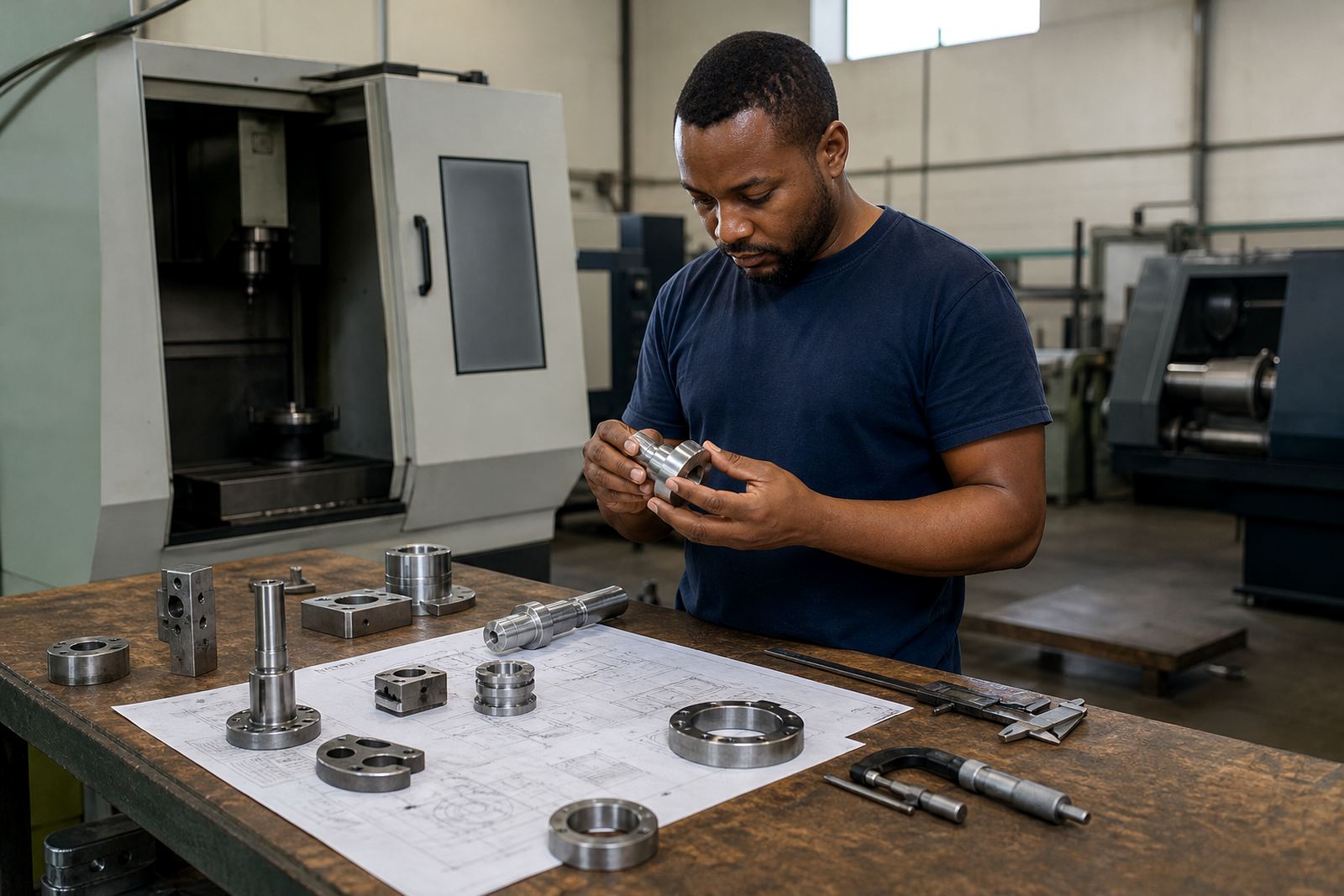
We also look at standard machining points such as internal corner radii, threaded holes, tapped depth, bore finish and datum selection. If a part is meant to mate with another component, we check the stack-up so the sample is not too loose on one feature and too tight on another. For turning work, we consider step diameters, groove positions, end-face finishes and whether the part needs secondary milling features. A drawing that looks simple on paper can still need proper planning to machine cleanly.
- Material suitability for the application and environment
- Feasibility of tolerances on each critical feature
- Tool access for slots, pockets, bores and profiles
- Handling of sharp edges, finish requirements and deburring
Our Process From Drawing Review to Sample Part Remake
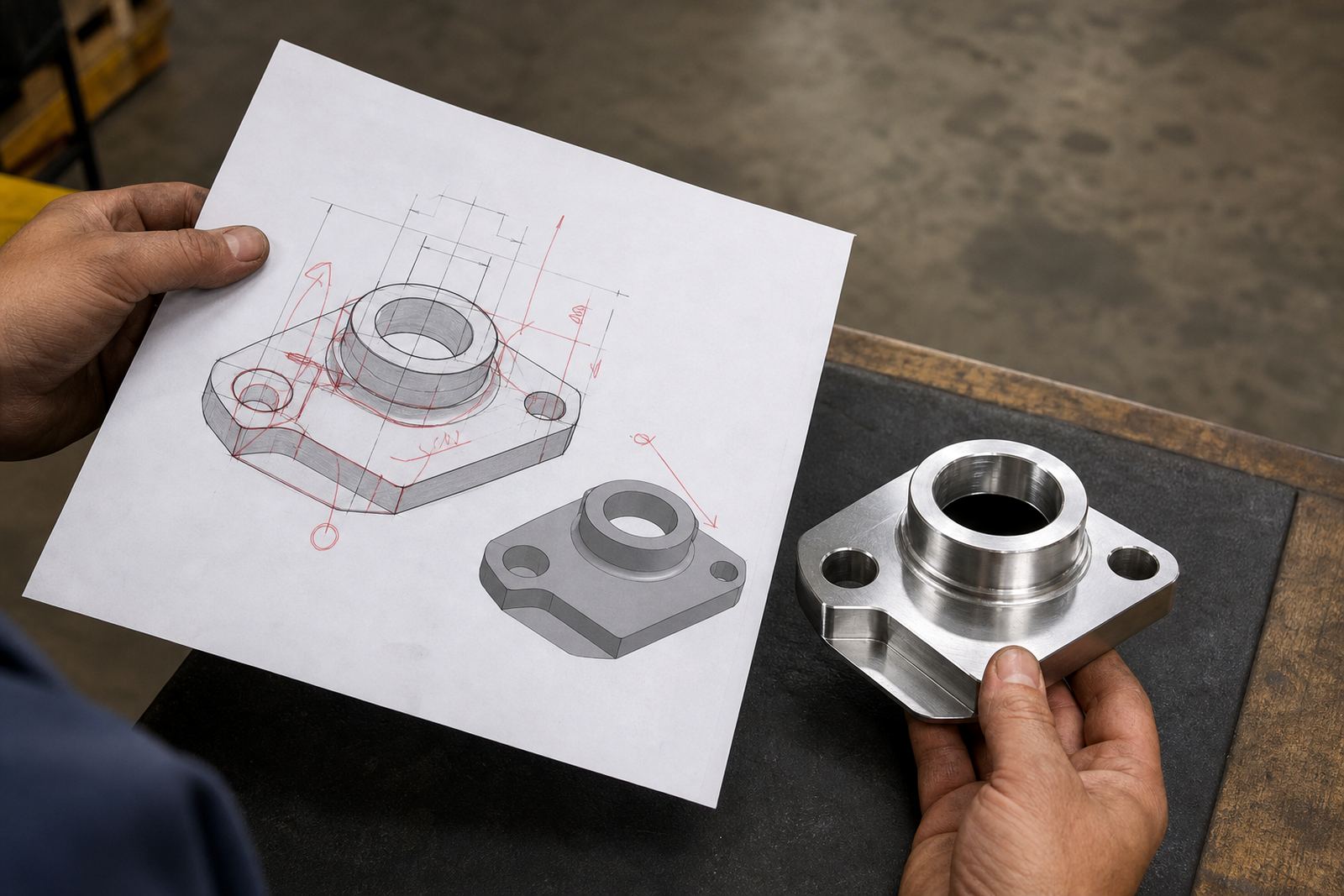
Our process is straightforward. First we review the drawing or sample and identify the features that matter most. Then we discuss the material, the likely machining sequence and any points that may affect cost or lead time. If a detail can be improved for machining without changing function we say so plainly. If a feature should stay exactly as specified, we keep it as is.
After that, we plan the prototype route. That may include one-off milling, turning, inspection after a critical operation, and then a final check against the drawing. If the first sample needs correction, our sample part remake service allows us to adjust the approach and cut a revised part. This is useful when a tolerance band is too tight for the material selected, or when a fit test shows a small issue in a mating feature.
- Initial drawing review and part discussion
- Material choice and process planning
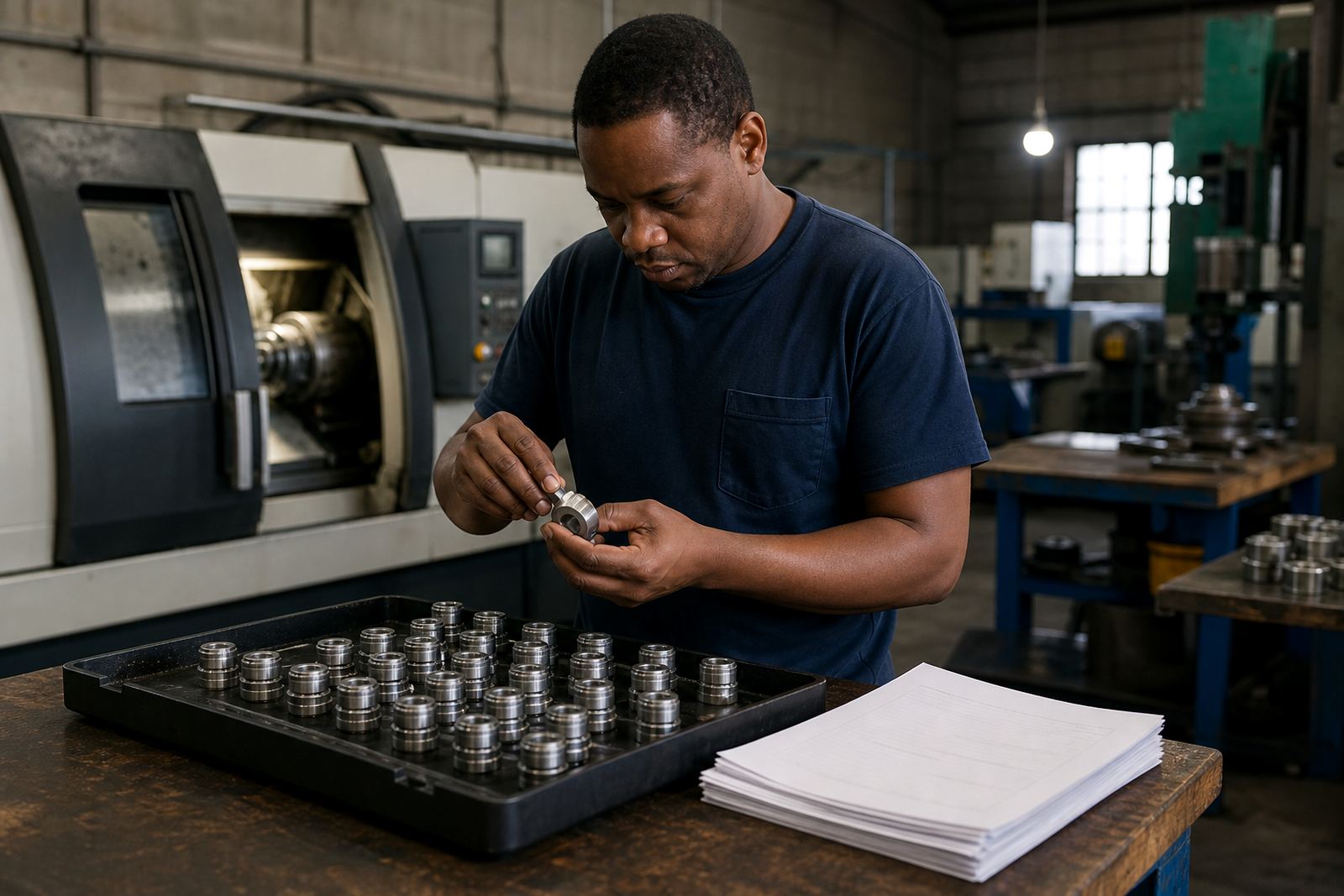
- Prototype machining and in-process checks
- Inspection reporting and sample feedback
Materials, Tolerances and Machining Notes
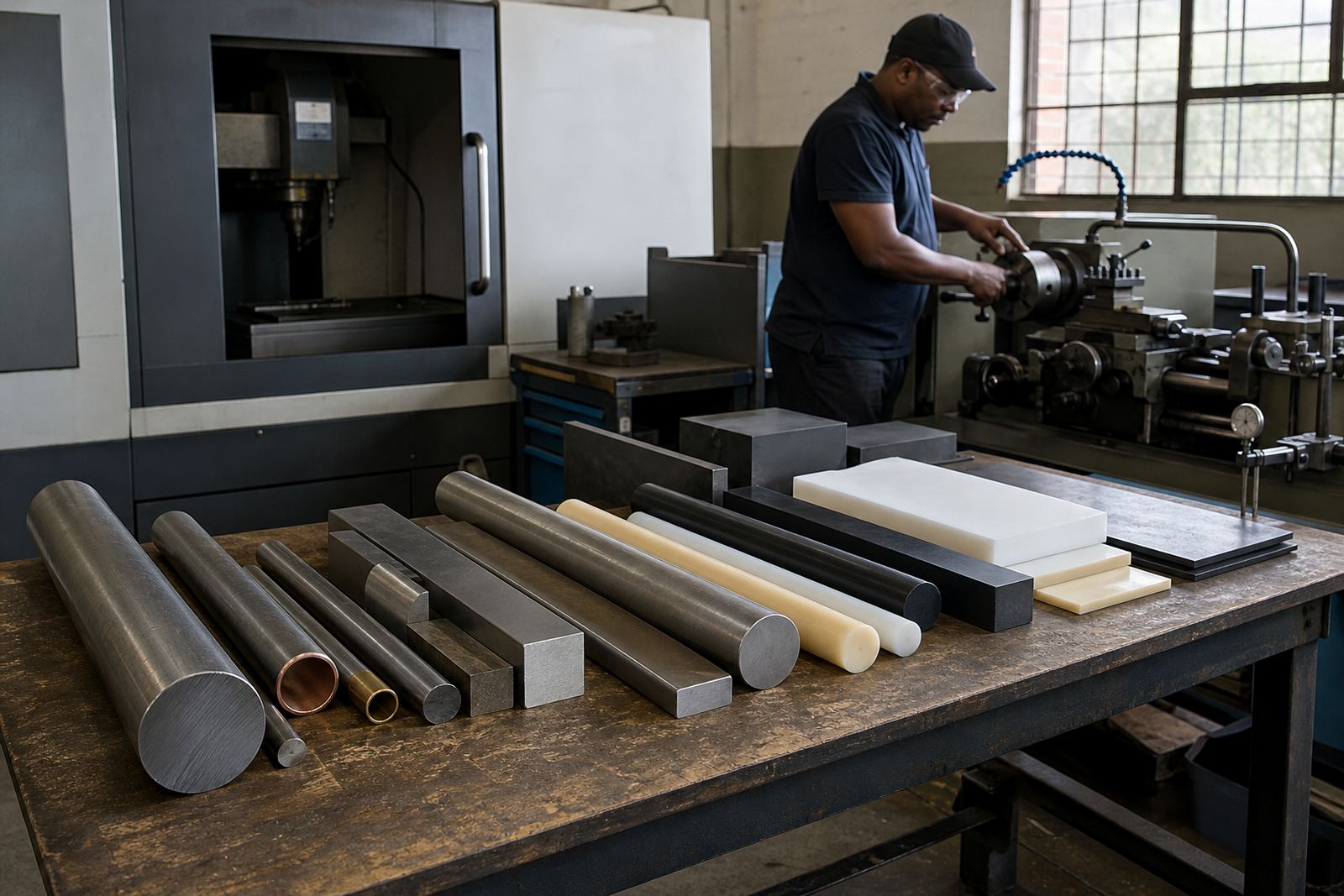
Prototype planning is strongest when the material and tolerance callouts make sense together. We work with commonly machined metals and engineering plastics, chosen to suit strength, wear, temperature and corrosion needs. Aluminium is often used for quick sample parts, while steels, stainless grades, brass and selected plastics may be better where load, heat or chemical resistance matters. The right choice depends on the part’s job not just the drawing note.
On tolerances, we guide clients toward what can be held consistently for the feature and the material involved. Some features may need a close fit while others can allow a broader range, especially on non-critical surfaces. We do not promise blanket tolerances for every job. Instead we plan around the actual geometry, the measuring method and the number of parts in the batch. For small-batch work this approach gives a better result than forcing a single number onto every feature.
Where applicable we also advise on surface finish, thread engagement, edge break and assembly fit checks. If a design needs later repeat orders, it is worth setting the drawing up for that from the start, so the prototype does not become a one-off that is hard to reproduce later on.
Turnaround for Small-Batch Prototype Work
Prototype jobs move faster when the information is complete. A clear drawing, material preference, quantity target and any fit requirements all help shorten the planning stage. Some jobs are ready for immediate scheduling after review, while others need a drawing update or a second conversation about tolerance or assembly fit. We keep the process practical and tell clients what is needed before machining starts.
Turnaround depends on part complexity, material availability, inspection needs and whether the job is a single sample or a small batch for field testing. We work with businesses across Durban, Pinetown, Pietermaritzburg, Richards Bay and Johannesburg that need early parts for testing, assembly trials or client approval. If a part has to move quickly through the workshop, the best support is a complete brief at the beginning. That keeps the job on track and avoids unnecessary rework later.
- Simple parts can often be scheduled faster than multi-op components
- Inspection and remake requests add time but improve the final result
- Clear drawings and confirmed materials help reduce delays
Pricing Approach and Maintenance Intervals
Our pricing approach for prototype planning is based on the actual work involved. That includes the time needed for drawing review, process planning, programming input, material selection and any inspection or remake steps. Small-batch prototype work is seldom priced like repeat production, because the first part carries the planning effort and the risk of adjustment. We quote according to the job details rather than using a fixed rate across all parts.
Where a prototype is likely to become a repeat order, we can support the handover to batch planning so the later runs are easier to reproduce. For components that will be used in service trials, maintenance intervals should also be considered during planning. If a part is expected to wear, be stripped for cleaning or be removed for inspection, we can help think through access, fastener choice and any surfaces that may need periodic replacement or checking. In practical terms, that means planning for the real maintenance cycle not only the first assembly.
- Pricing reflects setup, machining and inspection time
- Repeat order planning can reduce later rework
- Maintenance access should be considered before the first sample is approved
Why Clients Use PME CNC Machining for Prototype Planning
PME CNC Machining has been supporting small-batch work since 2008 from our base in Pinetown, KwaZulu-Natal. Our team combines planning, programming, supervision and quality admin so the job is handled properly from the start. Mandla Sibusiso Mkhize leads the business, with Anele Nondumiso Dlamini coordinating production, Johan Petrus van Wyk handling CNC programming, Siyabonga Patrick Zulu supervising machining, Naledi Refilwe Molefe managing quality admin and Kyle Brendan Naidoo supporting clients through the process.
Clients come to us for practical guidance on early-stage parts, whether they need a sample for testing, a check on a drawing before release, or help shaping a design so it can be made again later. We work for businesses across Pinetown Machining, Durban Machining, Westmead Machining, New Germany Machining, Pietermaritzburg Machining, Richards Bay Machining, Johannesburg Machining and Umhlanga Machining. The aim is simple: make the first part fit the job and set up the next step properly.
To start a prototype planning enquiry, clients use the enquiry form on our contact page and send the drawing, quantity target and any fit notes. From there we review the part and advise on the best machining route, with no guesswork and no unnecessary extras.
Key facts
| Service area | Pinetown, Durban, Westmead, New Germany, Pietermaritzburg, Richards Bay, Johannesburg, Umhlanga |
|---|---|
| Core process | Drawing review, material selection, prototype planning, tolerance guidance, inspection reporting |
| Typical part types | Milled parts, turned parts, mixed-operation components, sample remakes |
| Material guidance | Aluminium, steels, stainless steels, brass and selected engineering plastics |
| Planning focus | Function, manufacturability, repeatability and later batch production |
| Contact method | Enquiry form on the contact page only |