Textile Parts That Need to Fit First Time
Textile plants work with constant movement, tension and wear. A roller that runs slightly out, a guide with the wrong shoulder height, or a bracket that does not line up with the existing frame can slow the whole line down. We machine parts for textile handling and production equipment where fit, finish and repeatability matter, whether the job is for a loom room, winding line, cutting area or fabric handling section.
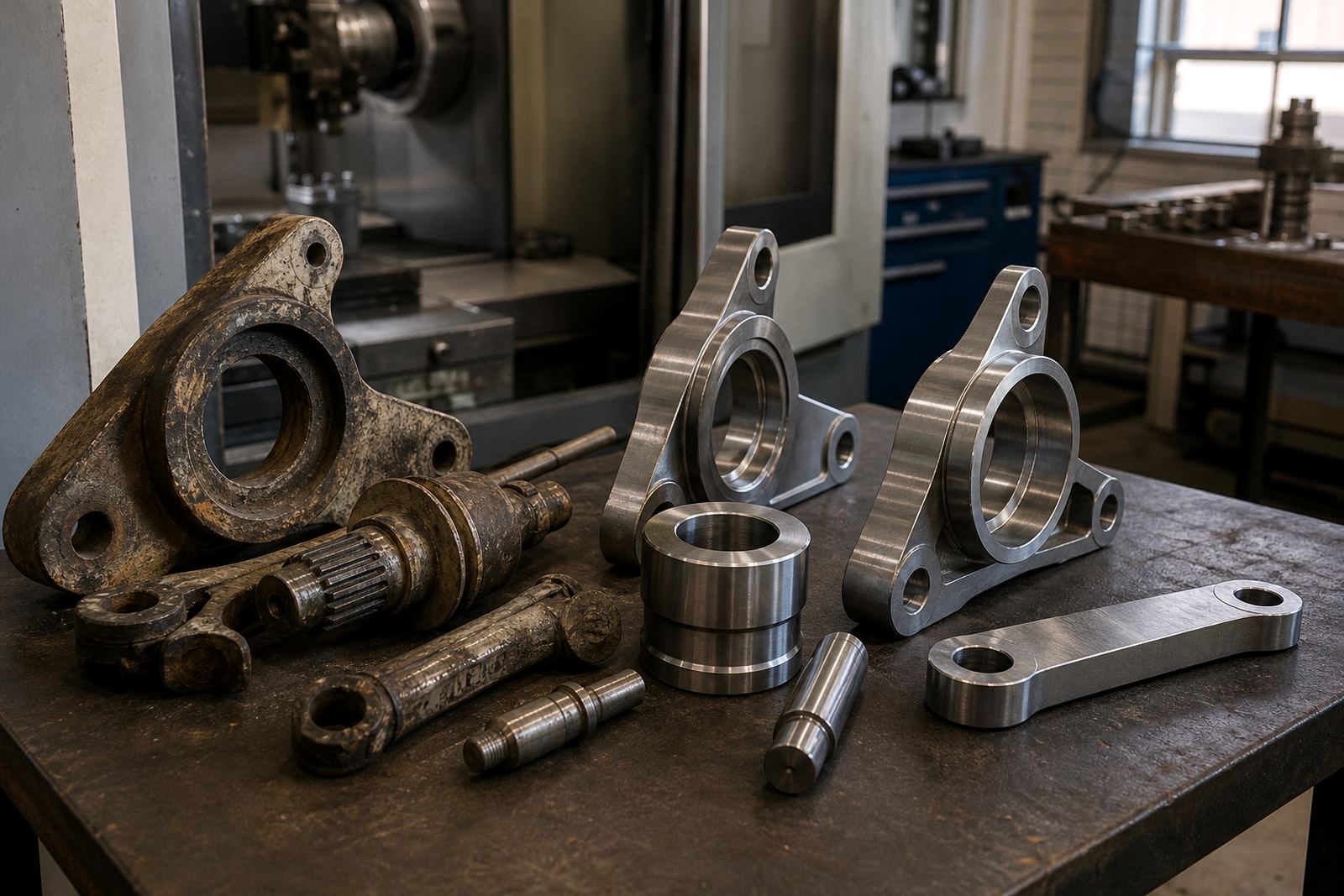
Clients usually come to us when they need a replacement part that is no longer available, a worn component remade from an old sample, or a small batch of parts for maintenance stock. We work from drawings, samples or worn originals and help check the dimensions before cutting metal. That is especially useful when a plant has several machines of the same type but not every unit has worn in the same way.
CNC Milling And Turning For Textile Equipment
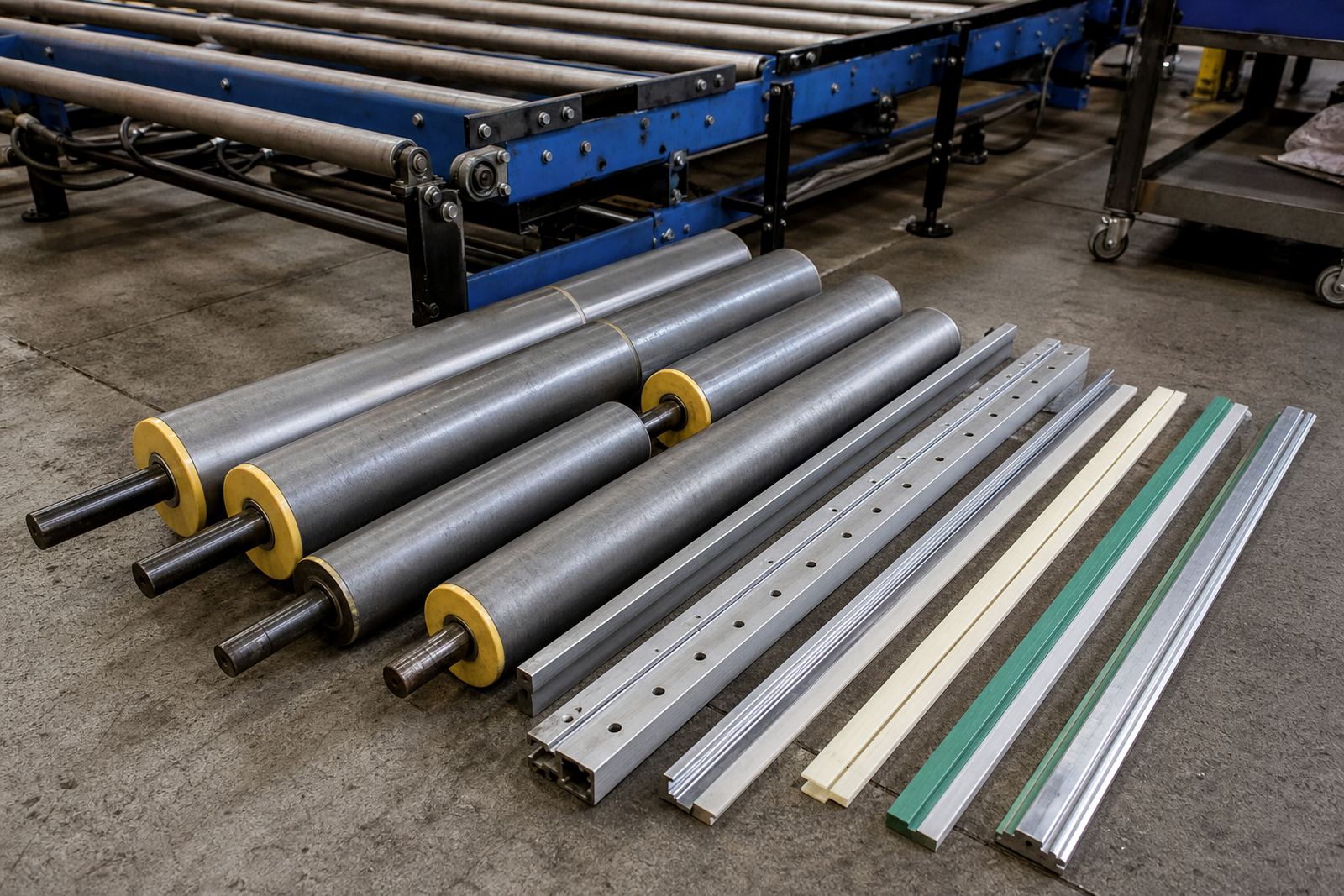
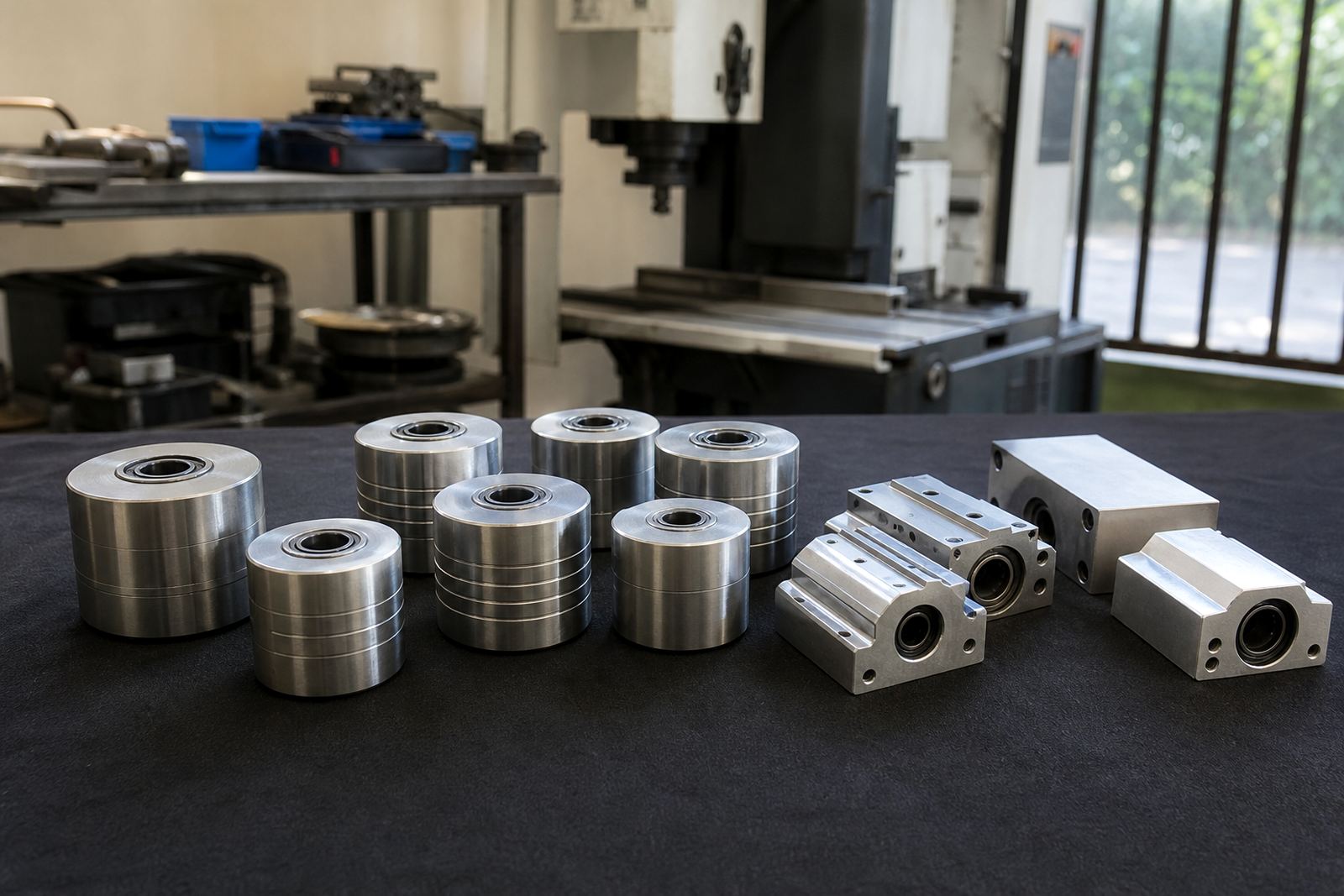
CNC milling is used for parts with flats, slots, holes, pockets and mounting faces. It suits housings, brackets, guide blocks, mounting plates and other shaped components that need accurate hole spacing and clean edges. CNC turning is used for round parts such as rollers, shafts, bushes, spacers and collars where concentricity and surface finish matter.
In textile work, the surface condition is often just as important as the size. A rough edge can fray material, catch lint or create unnecessary vibration. We work with common engineering materials used for machine parts such as aluminium, mild steel, stainless steel and selected engineering plastics depending on the application and wear pattern. If a part sees moisture, washdown or coastal humidity in places like Durban or Richards Bay, material choice needs to be considered early.
- Rollers and small shafts for feed, guide and rewind sections
- Guide blocks, end plates and mounting brackets
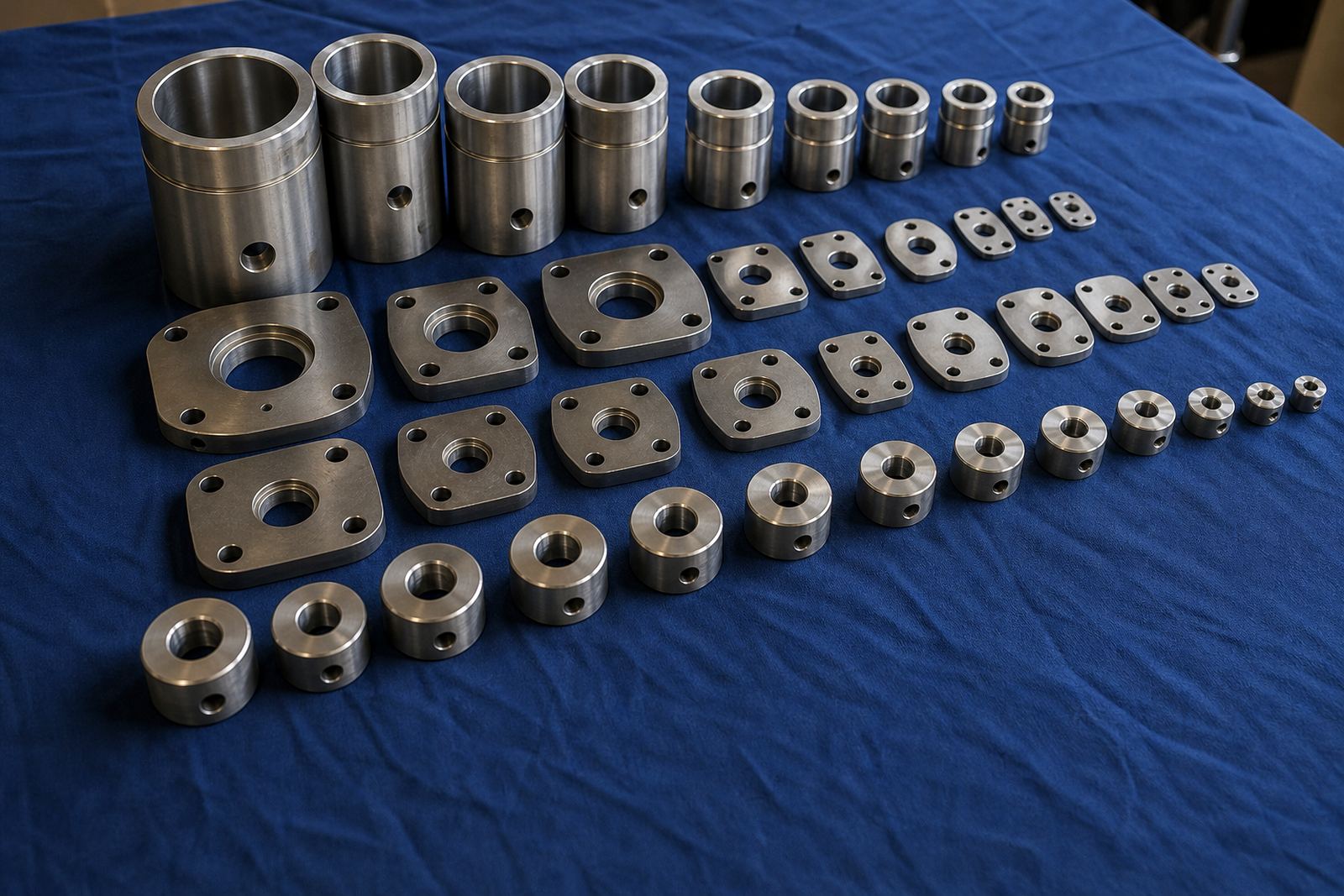
- Spacer rings, collars and bushes for alignment and wear control
- Replacement fittings for older machinery with missing parts
How We Plan Small Batch Textile Jobs
Small batch work suits textile plants that need only a few parts now, then another run later after more wear shows up. We start with drawing review, then discuss material selection, tolerance guidance and any fit checks needed before production. If a sample part is available, we compare it to the machine it must fit into and look for wear, distortion or previous repairs that may have changed the size.
For textile clients across Pinetown, Durban, Westmead, New Germany, Umhlanga, Pietermaritzburg, Richards Bay and Johannesburg, planning also includes how the parts will be used on site. Some plants run long shifts and can only take a machine down for a short changeover window. Others keep spare parts on hand to avoid delays when a part fails unexpectedly. We can help with repeat order support and drawing updates where a part has been improved from the original.
- Confirm the machine model, part function and any critical mating surfaces
- Check whether the part must guide, rotate, clamp or carry load
- Note if the site has vibration, lint build-up or heat near the machine
- Agree on delivery timing so the changeover can be planned properly
Common Problems On Textile Machinery
We often see parts fail because the original item was copied without checking wear. A worn roller may measure undersize, but if it is remade to that worn size the new part will not sit correctly in service. Another common issue is over-tight tolerances where the fit becomes too stiff and the machine starts running hotter or noisier than before.
Misalignment is another frequent problem. If a guide or mounting hole pattern is even slightly off, the material path can drift and create edge damage or poor feed. On textile equipment, dust and lint also settle into moving sections, so surfaces need to be cleanly machined and easy to inspect. We always recommend checking the surrounding assembly too, not only the failed part, because sometimes the real issue is a bearing seat, frame distortion or previous repair that was never corrected.
Tolerance Guidance, Fit Checks And Inspection Reporting
Not every textile part needs the same level of precision. Some items need a close running fit, while others only need accurate hole positions and a consistent outside shape. We help guide that decision so clients do not pay for tighter machining than the application really needs. Where a part interfaces with bearings, shafts, sliding faces or guide points, careful dimension control becomes more important.
Inspection reporting is useful when a plant wants to track what was supplied and how it measured against the drawing or sample. Assembly fit checks can also help when a replacement part must be fitted into existing equipment with little room for adjustment. This is especially practical for older machinery in plants where documentation is incomplete and maintenance teams rely on the physical part itself.
Budget Ranges For Textile CNC Work
For textile use, budget depends on the size of the part, the material, the number of operations and whether a sample remake or drawing update is needed. Simple spacers, bushes and small brackets are usually on the lower end of a project budget, while longer rollers, turned shafts and parts with multiple milled features take more time and setup. If a part needs post-machining checks or a remake from a worn sample, that also affects cost.
As a practical guide, many small batch textile jobs fall anywhere from a few thousand Rand for straightforward repeat parts to higher amounts for more involved rollers, custom fittings or multi-part orders. We do not price from guesswork. The clearest way to control spend is to define what the part must do, what it must fit and whether the current design can be simplified without affecting the machine.
- Use existing drawings where possible to reduce interpretation errors
- Keep a record of the last working dimension for repeat orders
- Group similar parts together if several machines need the same spares
- Ask for part optimisation if the original shape is difficult to machine or maintain
Why Textile Teams Call PME CNC Machining
Textile maintenance teams often need a supplier who can handle one-off parts without making the process complicated. Our Pinetown job shop supports small batch machining for clients across South Africa, with a focus on accurate work, clear communication and practical problem solving. Mandla Sibusiso Mkhize leads the business, with support from Anele Nondumiso Dlamini, Johan Petrus van Wyk, Siyabonga Patrick Zulu, Naledi Refilwe Molefe and Kyle Brendan Naidoo.
Whether the job is for Pinetown, Durban, Pietermaritzburg, Richards Bay or Johannesburg, the process starts with an enquiry through the contact page. From there, we review the drawing or sample, discuss the material and check the fit requirements before production begins. For textile machinery, that careful start saves time later because a part that fits properly the first time reduces stoppages and keeps the line moving.