Mining Support Parts That Need To Fit First Time
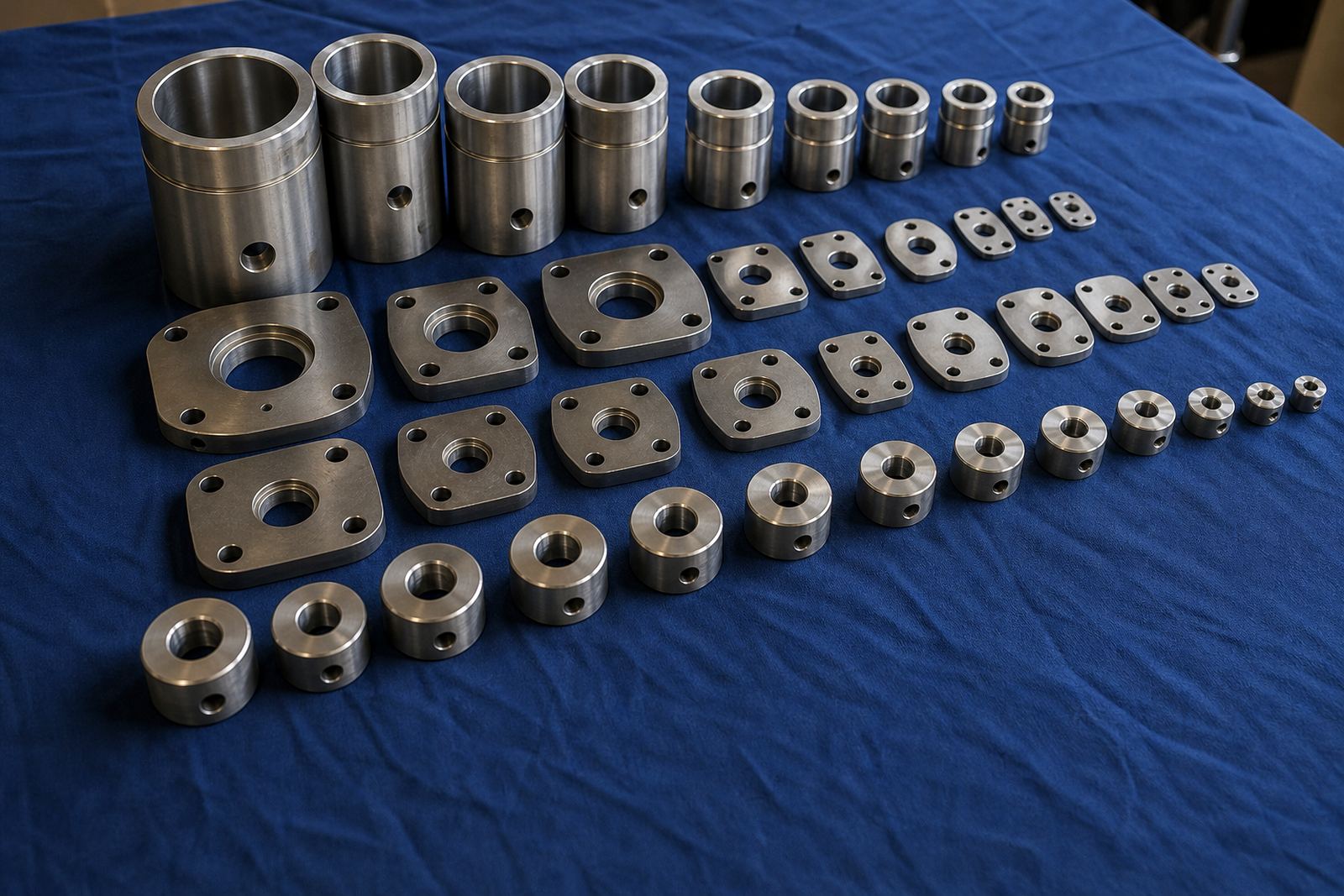
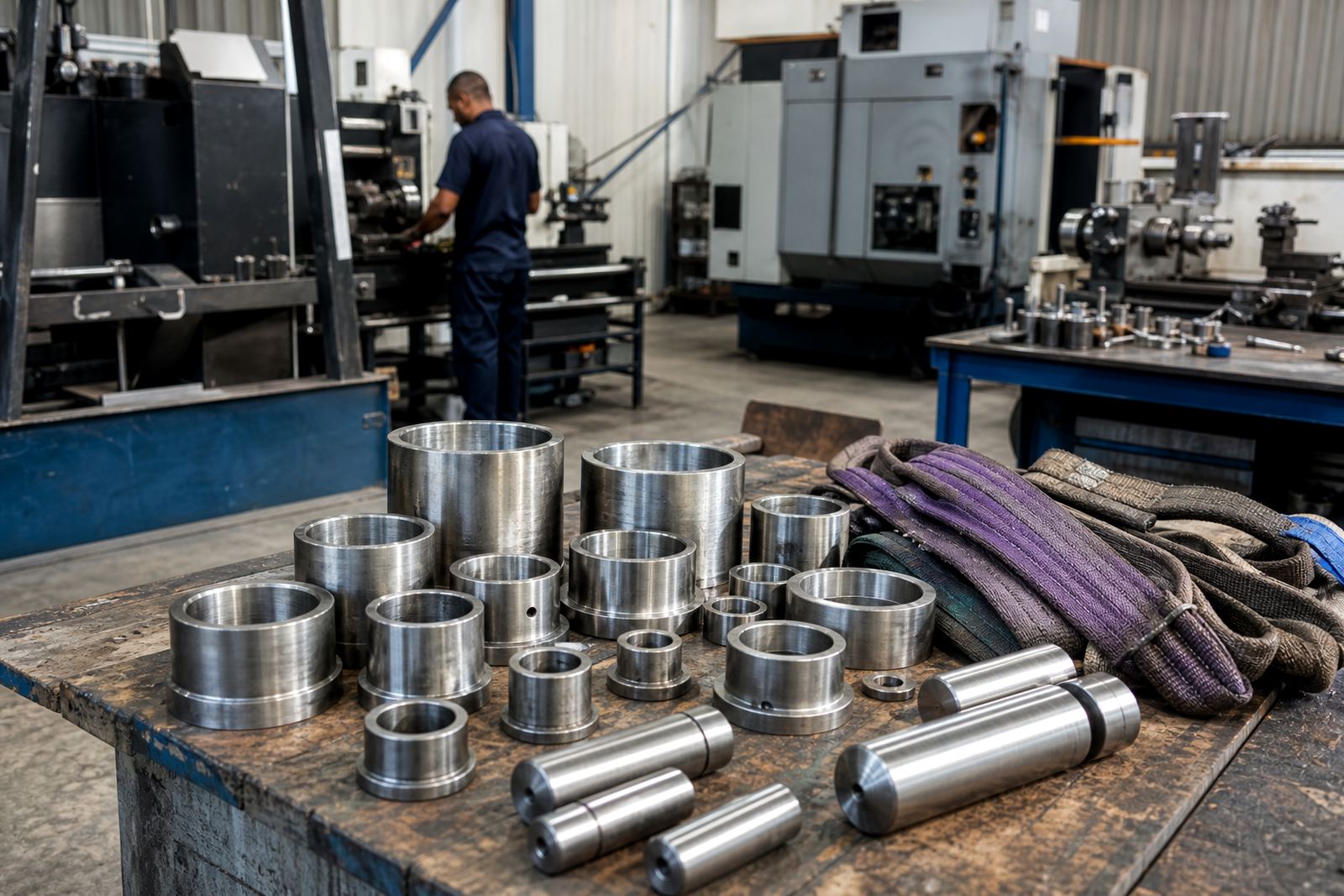
Mining support work is rarely about one big part, it is usually a run of smaller components that keep a plant, workshop or handling system moving. That can include brackets, bushes, collars, spacers, flanges, housings, wear parts, guide pieces and adapters for repair work. When a part fails, the aim is to get the replacement back into service with minimal delay and without forcing the crew to make it fit on site.
At PME CNC Machining in Pinetown, the focus is on small batch production for replacement and support components where drawing control, repeatability and correct fit matter. We work from supplied drawings, samples or clear measurements, then review the part for machining practicality, material suitability and likely wear points. For mine workshops in KwaZulu-Natal or inland operations around Johannesburg, that usually means making sensible decisions early so the finished component supports the equipment rather than becoming another problem.
CNC Milling And Turning For Site Equipment Repairs
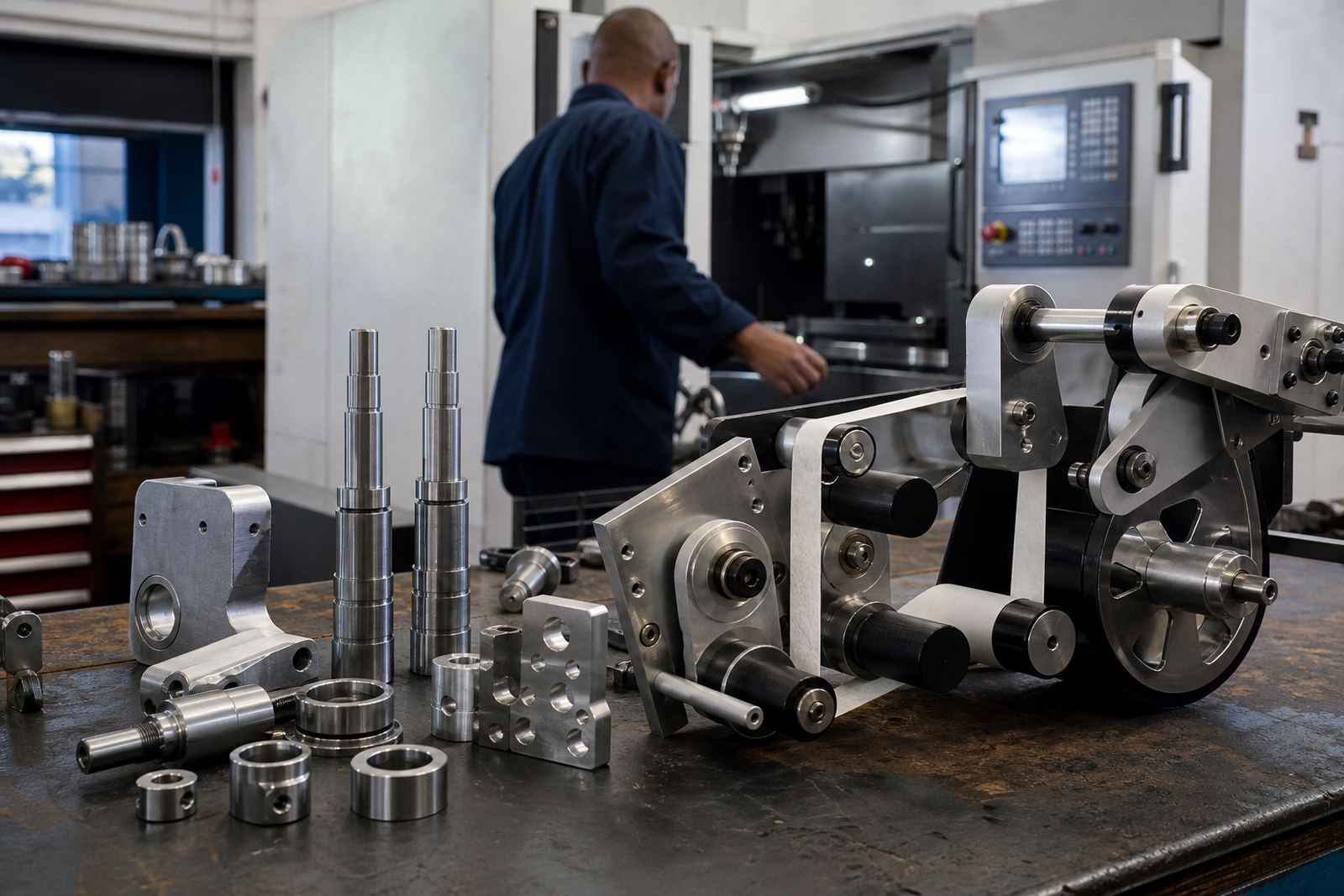
CNC milling is used for parts that need flat faces, slots, pockets, holes and accurate geometry across more than one face. CNC turning suits cylindrical parts such as shafts, bushes, sleeves, pins and threaded items where concentricity and diameter control matter. In mining support jobs, both processes are often used together because a repair part may need a turned body and machined flats or holes for final assembly.
Typical workshop repairs may call for a part to match an existing assembly that has seen wear, corrosion or damage from vibration. In those cases, the job is often about restoring function rather than copying every old mark exactly. A good machining plan considers how the part will be loaded, whether it sees dust, grit, moisture or repeated wash-downs, and whether the fit should allow for assembly without forcing the component into place. That is especially important on coastal sites where humidity can speed up corrosion if the material choice is off.
Materials Used For Hard-Wearing Support Components
Mining support components can be machined from a range of materials depending on service conditions, wear and cost. Common choices include mild steel, stainless steel, aluminium, brass and engineering plastics, with the final choice guided by load, friction, exposure and maintenance access. A support part in a dry workshop may not need the same material as a component working near water spray, slurry, dust or outdoor weather.
- Use mild steel where strength and cost control matter, then protect it with the right finish for the environment.
- Use stainless steel where corrosion resistance is important, especially in damp or coastal conditions.
- Use aluminium for lighter non-wearing parts where weight reduction helps handling.
- Use engineering plastics for low-friction spacers, guides or insulators where metal is not the best fit.
- Use brass for selected bushes or fittings where machinability and wear behaviour suit the application.
Material selection should never be guesswork. A part that looks similar to the original may fail early if the wrong grade is used or if the machining leaves weak edges in load-bearing areas. A little extra time spent at the drawing review stage can save a lot of downtime later.
Layout And Planning Advice For Workshops And Sies In The Field
Mining support orders often arrive under pressure, but the best results usually come from giving the workshop a clear pack of information. If the part is part of an assembly, it helps to show where it sits, what it touches, and which surfaces are critical. For batch work, a basic plan should cover quantities, lead times, delivery points and whether the parts need inspection reporting or assembly fit checks before dispatch.
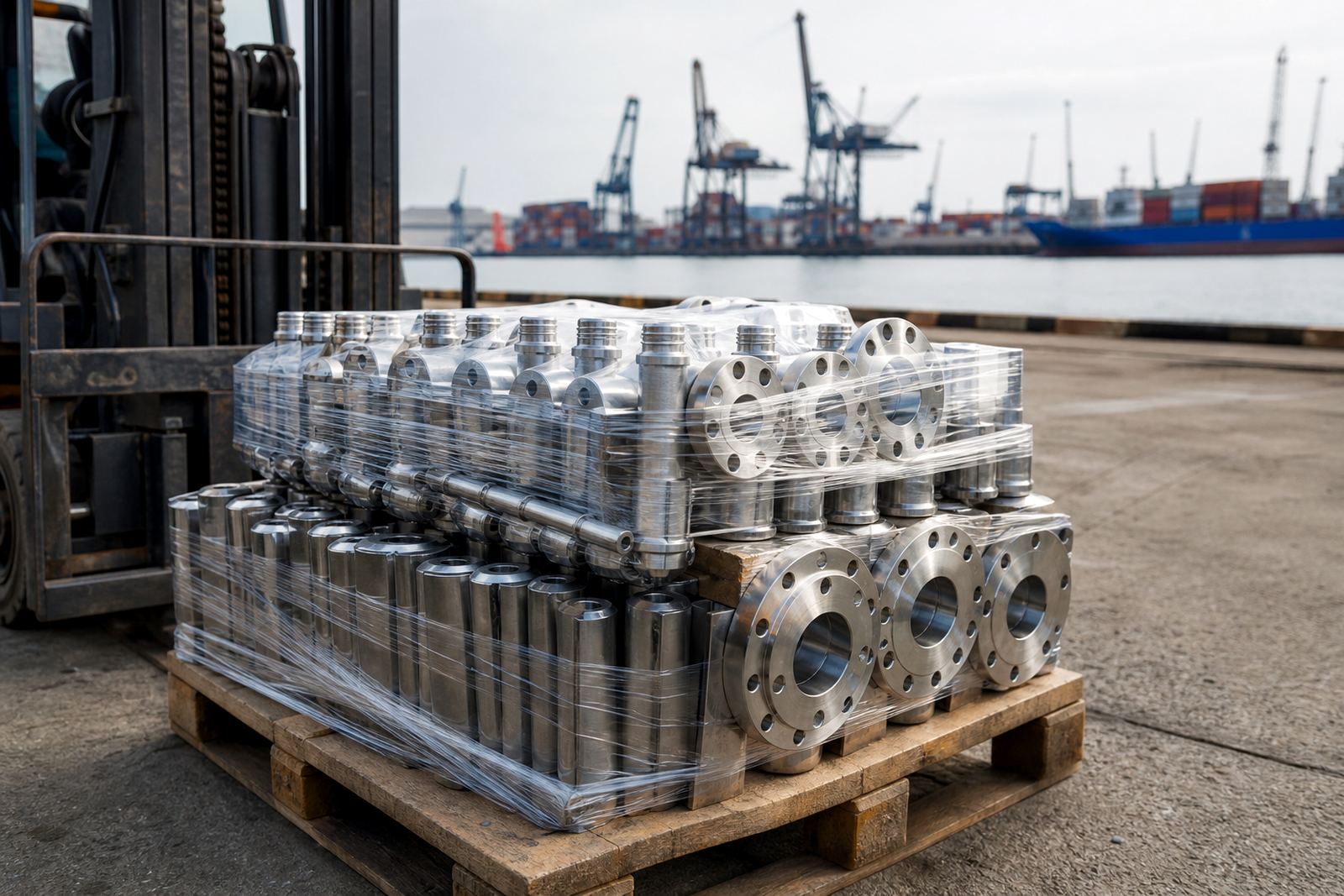
For sites across Durban, Pinetown, Westmead, New Germany, Pietermaritzburg, Richards Bay, Umhlanga and Johannesburg, delivery coordination matters just as much as machining. Parts often need to reach a maintenance team before a shutdown window closes, and missed timing can cost a full shift. It also helps to plan for power interruptions, since workshop schedules can shift during load-shedding and that may affect installation timing on site.
- Send clear measurements, a sketch or drawing, and a photo of the part in place if possible.
- Mark the critical dimensions, hole centres, thread details and any face that must be flat or square.
- State whether the part must match an existing assembly exactly or can be improved slightly for serviceability.
- Include the quantity needed now and whether repeat orders are likely later.
- Flag the site conditions, such as dust, heat, wash-downs or coastal exposure.
Common Mistakes That Slow Down Replacement Work
One common mistake is measuring only the worn part and not the mating component. If a bush, pin or collar has worn unevenly, the true running size may be different from what is left in your hand. Another issue is assuming the original component was made from the best material, when it may have been chosen for speed or cost during an earlier repair. In mining support work, that can lead to a part that fits but fails too soon.
Other problems include vague tolerances, missing thread details, hole positions that are not checked against the assembly and drawings that leave too much to interpretation. Parts for workshop and handling systems often have tight practical requirements even when the drawing looks simple. A small error in a spacer thickness or bore size can throw off alignment and cause extra wear on the next component in line. It is better to pause for a drawing update than to push ahead with a part that will need rework.
Budget Ranges For Small-Batch Mining Support Parts
Budget depends on the size of the part, the material, the machining time and how much checking is needed before release. Small batch replacement work can vary widely, because a simple spacer is not the same as a machined housing with multiple features or a turned component that needs careful repeatability. The more complex the shape and the tighter the fit requirement, the more time goes into setup, cutting and inspection.
For planning purposes, it helps to think in terms of three broad bands. Simple support parts may sit in a lower cost band, medium complexity items with several machined features will usually land higher, and parts that need drawing updates, sample remakes or assembly fit checks will need a larger allowance. Transport and delivery coordination can also affect the final budget, especially for urgent work between Pinetown and inland sites. If the brief is clear from the start, it is easier to keep the job within a sensible Rand range and avoid back-and-forth later on.
PME CNC Machining supports repeat orders too, which can help when a site knows a part will wear again and wants a stable replacement plan. That is often the case with handling equipment, workshop fixtures and wear components that need to be kept on hand or remade in small batches over time.
How PME CNC Machining Supports Mining Work Across South Africa
As a Pinetown machining job shop founded in 2008, PME CNC Machining is set up for practical support work rather than one-off guesswork. The team handles drawing review, prototype planning, batch planning, tolerance guidance, part optimisation, sample part remake, inspection reporting, repeat order support, delivery coordination and drawing updates. That makes it easier to keep the replacement part aligned with the way the equipment is actually used on site.
The team includes Mandla Sibusiso Mkhize as Managing Director, Anele Nondumiso Dlamini as Production Coordinator, Johan Petrus van Wyk as Lead CNC Programmer, Siyabonga Patrick Zulu as Machining Supervisor, Naledi Refilwe Molefe as Quality Administrator and Kyle Brendan Naidoo as Client Support Lead. Enquiries come through the contact page form, which is the cleanest way to share drawings, measurements and job details for mining support parts across Durban, Pinetown, Pietermaritzburg, Richards Bay and Johannesburg.