Marine and port parts that need to fit first time
Coastal and harbour equipment works in hard conditions. Salt air, spray, vibration, grit and long operating hours all put pressure on moving parts. When a component wears out, the replacement has to match the existing assembly closely or the machine starts eating bearings, running hot, or leaving extra play in the linkage. That is why marine and port jobs often begin with a careful check of the old part, the mating face and the fixing points before any cutting starts.
We handle small-batch CNC milling and turning for replacement components used on cranes, conveyors, dockside handling units, winches, pump sets and support equipment around ports and depots. In many cases the job is not about making a whole new system, but about remaking one worn item so the machine can stay in service and the client can avoid delays. A clean fit matters more than fancy machining talk, and that is often where good planning saves money.
Typical equipment found on coastal and harbour sites
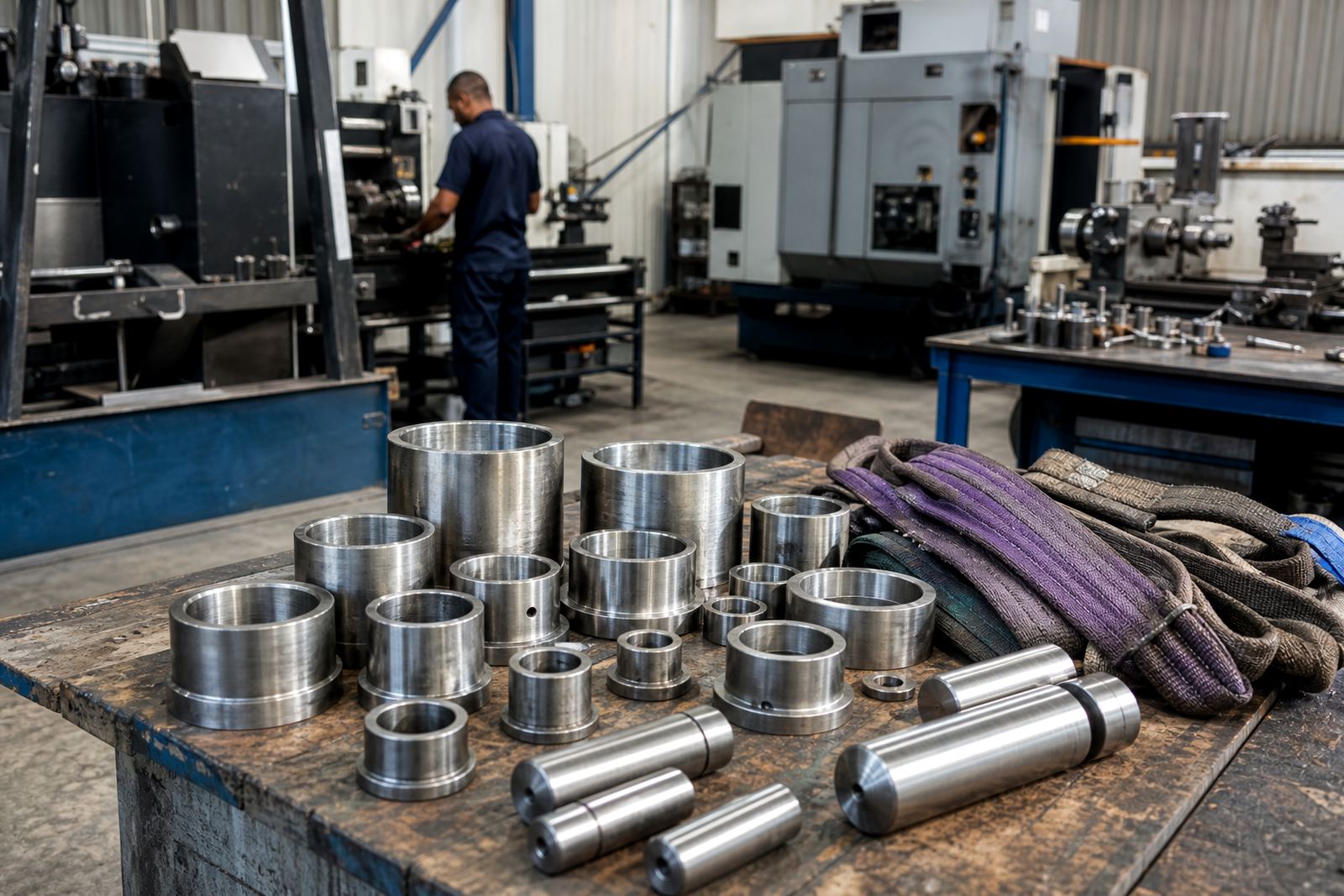
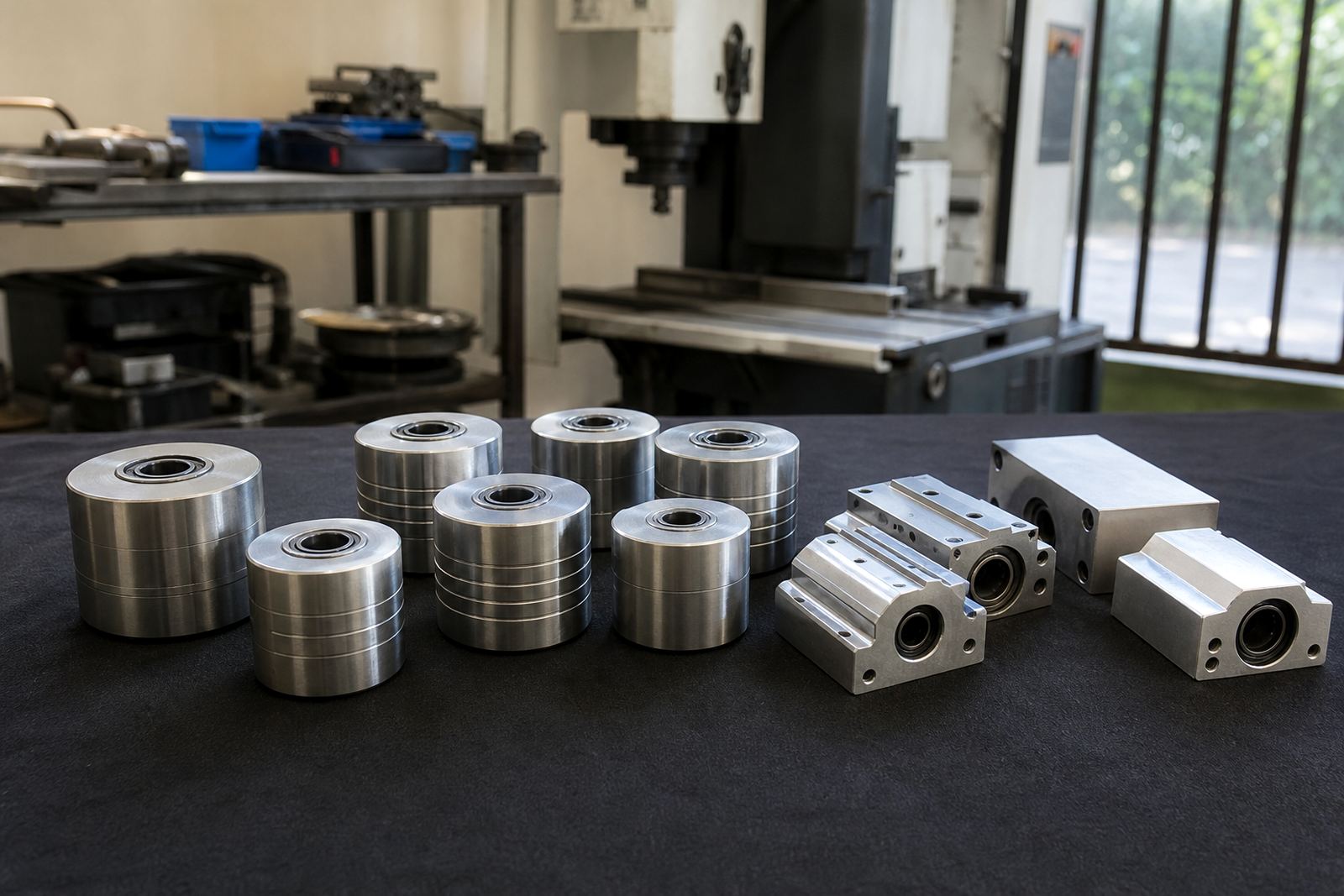
Different sites call for different shapes, but the pattern is familiar. Port and marine maintenance work usually includes shafts, spacers, bushes, plates, collars, brackets, bearing housings, adaptor pieces and clamp parts. On material movement equipment, there may also be rollers, tension components, guide parts and mounting blocks. Some parts are simple in shape but critical in position, so the real challenge is holding the right sizes and the right hole centres.
- Turned parts such as shafts, sleeves, pins and threaded components
- Milled parts such as brackets, mounting plates, covers and spacers
- Repair items for worn interfaces, seized fittings and damaged fixings
- Small batch sets for planned maintenance shutdowns or phased replacements
Because marine sites often run in humid conditions, material choice matters as much as the machining itself. Aluminium, mild steel, stainless steel and engineering plastics can all be used in the right place, but the selection depends on load, exposure and whether the component will sit near splash zones or under cover. A poor match can corrode early or wear unevenly, which means the same job comes back too soon.
Planning the layout so the part lasts longer
Good marine work starts with the layout. If a bracket is too thin, a hole is too close to the edge, or a bearing pocket is not concentric enough, the replacement may fit on the bench but fail in service. We look at how the part sits in the assembly, where the load travels, and what happens when the machine starts and stops under strain. That helps with part optimisation before the first run, and it can reduce the chance of repeat failure.
For assemblies with movement, it helps to know whether the part should allow a little running clearance or a tighter locating fit. In a salty environment, a part that is too tight can seize after a few months if there is no room for dirt or light corrosion. On the other hand, too much clearance can create knock, vibration and uneven wear. Tolerance guidance is useful here, especially when the original drawing is missing or the old part has already lost shape through wear.
We also advise on drawing updates where the current part needs a small correction, such as a hole moved slightly to suit a repaired frame or a thickness change to improve service life. This is common on ageing equipment where several repairs have been done over the years and no two sides are quite the same.
Common mistakes on port and marine replacement jobs
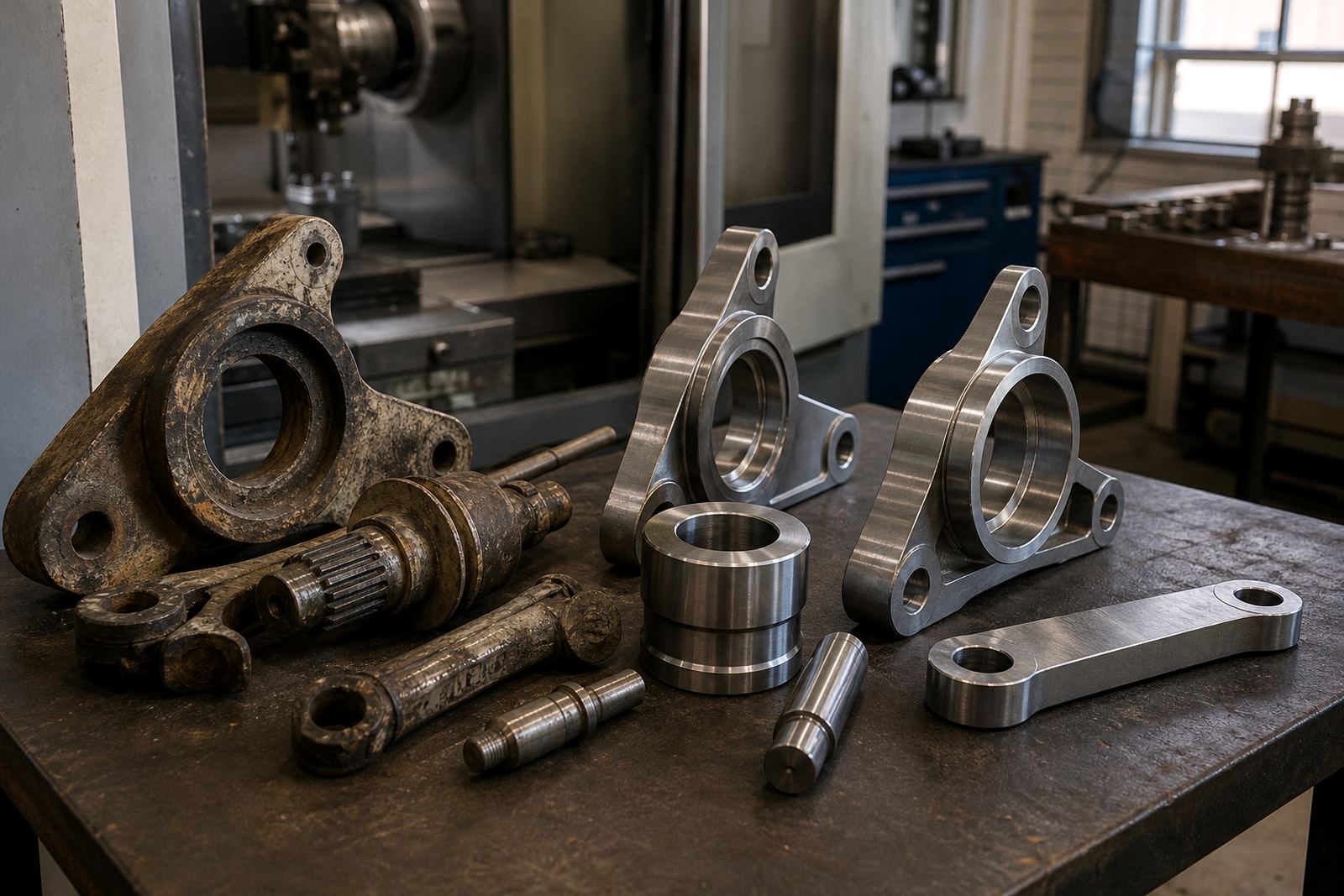
Many delays come from missing detail rather than difficult machining. A worn sample part can mislead the job if the worn area is copied exactly without checking the original function. Another common issue is measuring only the outside size and ignoring the fit face, the shoulder position or the depth of a recess. On marine equipment, that can lead to parts that are nearly right but not usable when assembled.
- Copying wear instead of restoring the intended size
- Using the wrong material for salt air or wet conditions
- Forgetting bolt pattern changes after earlier repairs
- Leaving too little clearance for paint, corrosion or grime
- Not checking how the part will be handled during fitting
We often carry out sample part remake work when an existing item is damaged beyond reliable measurement. If a part has cracked, bent or been machined before, the better route may be to rebuild the dimensions from the assembly rather than trust the old component on its own. That kind of care saves time, and it avoids the frustration of a second remake.
Budget ranges for small-batch marine machining
Budget depends on the part type, the material, the number of machining steps and whether the job needs extra checking or assembly fit work. Simple turned spacers or basic plates can sit in a lower budget band, while parts with multiple operations, tight location features or more difficult materials will cost more. Marine work also tends to need better finish control because rough edges and poor surface quality can shorten service life.
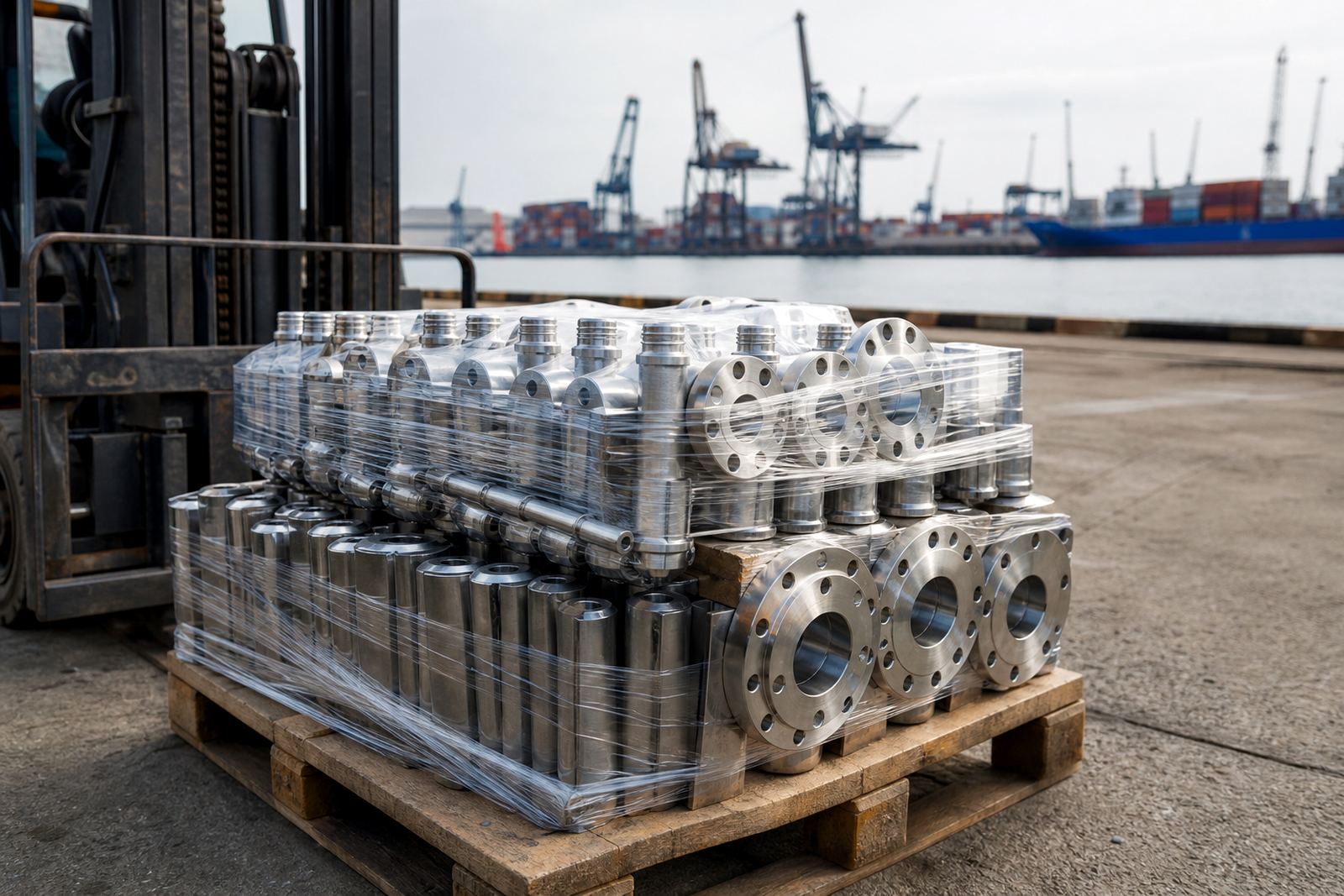
For small-batch jobs in this use case, clients usually plan around a few practical cost bands rather than a single fixed figure. A straightforward remade component may be handled at a modest cost, while a pair or small run of precise parts for a shutdown can move into a higher range. If the job needs delivery coordination to Durban, Richards Bay or Johannesburg, transport can also influence the final budget. We quote from the drawings, sample part and required finish, so the numbers line up with the actual work and not guesswork.
Where possible, it helps to group related parts together. If a maintenance team is already stripping down a machine, it can be worthwhile to add nearby wear items to the same order. That reduces repeated setup and gives the client a clearer plan for stock and spares. It also helps when load-shedding or weather interrupts the schedule, since one organised batch is easier to manage than several rushed follow-up jobs.
How PME CNC Machining supports coastal maintenance teams
Based in Pinetown, we support marine and port maintenance across KwaZulu-Natal and beyond. That includes drawing review, material selection, prototype planning, batch planning, inspection reporting, repeat order support, delivery coordination and drawing updates. For many clients the process starts with an enquiry form on the contact page, followed by a review of the damaged part, the old drawing or the site measurements. From there, we can advise on the next step and what information is still missing.
Our team works across the job from planning through to final check. Mandla Sibusiso Mkhize oversees the business as Managing Director, with Anele Nondumiso Dlamini on production coordination, Johan Petrus van Wyk on CNC programming, Siyabonga Patrick Zulu on machining supervision, Naledi Refilwe Molefe on quality administration and Kyle Brendan Naidoo handling client support. That structure helps when a marine job needs quick turnaround but still needs proper checking before release.
- Pinetown, Durban and Westmead for local maintenance support
- New Germany and Umhlanga for nearby industrial and harbour-linked work
- Pietermaritzburg, Richards Bay and Johannesburg for wider South African supply
Marine and port work can be unforgiving, so the aim is simple: make the part fit properly, hold up in service and arrive ready for installation. If the part is small, worn or awkward to measure, we can still help by working from the best available information and keeping the job practical.
When replacement parts are the better option
Not every worn component should be repaired in place. If the original is cracked, distorted or has lost too much material, a fresh replacement is often the safer choice. That is especially true where a failed part could stop a conveyor line, delay cargo movement or affect access equipment at a busy site. In those cases, making a correct new part can be cheaper than repeated patching and downtime.
For coastal sites, replacement parts also make sense when corrosion has reached hidden faces or threaded areas. A part may look serviceable from one side but still fail under load because the internal damage was not visible. By remaking the item with the right material and geometry, the maintenance team gets a cleaner restart. It is a practical fix, not a flashy one, and that is usually what these jobs need.