Parts That Keep Processing Lines Moving
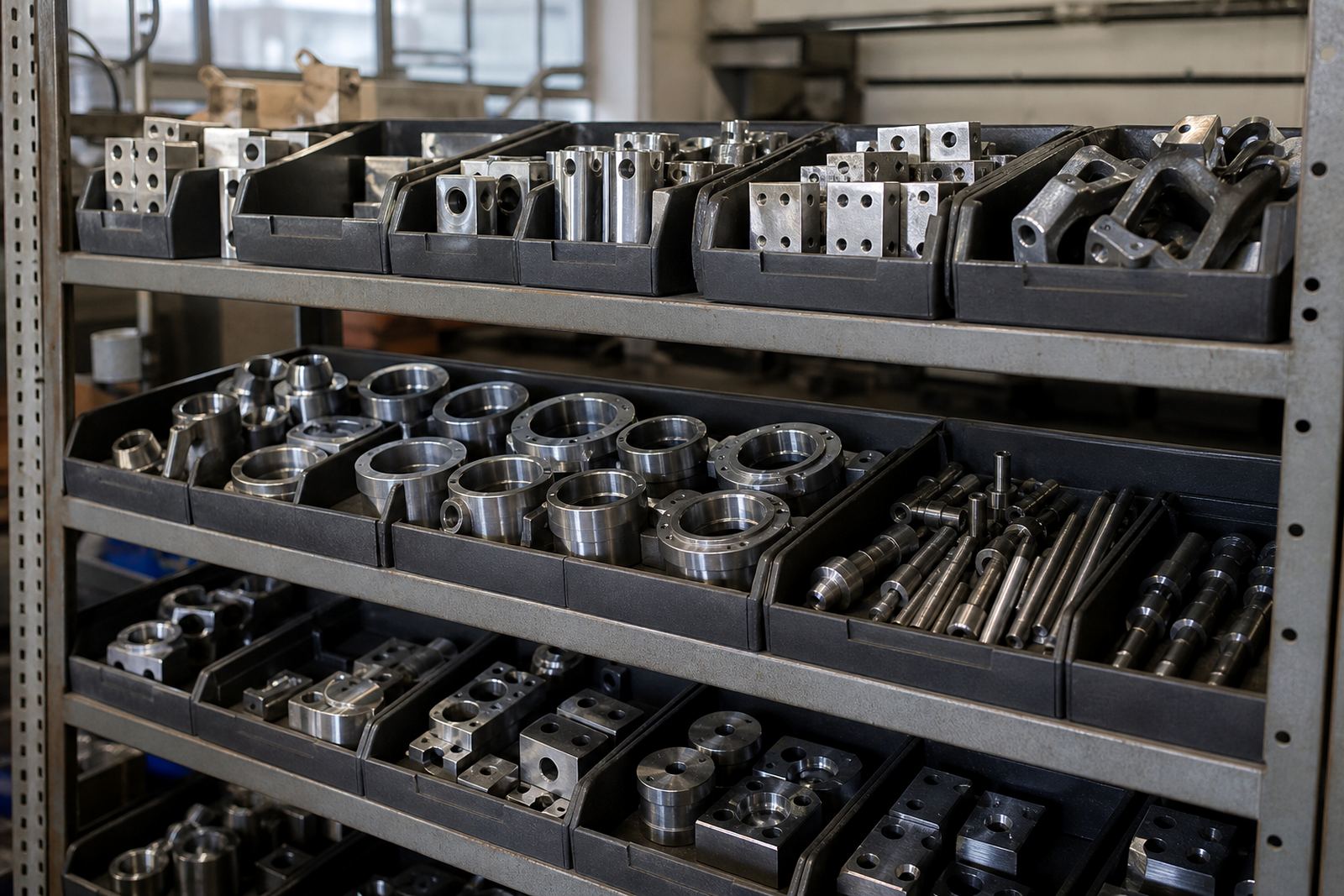
In food plants, a small machining error can mean constant stoppages, product damage or a line that is awkward to clean. PME CNC Machining works on the parts that sit behind the scenes, including guide blocks, spacers, brackets, bush housings, mounting plates, shafts, collars and other support components used on conveyors and processing equipment.
For this type of work, clients often need repeatable parts rather than huge volumes. Small batch production suits changeovers, line upgrades and maintenance spares where the main need is fit, finish and dependable sizing. That usually means careful drawing review at the start, then machining to suit the assembly instead of forcing an existing part to do a job it was never made for.
- Conveyor supports and side guide parts
- Change parts for different pack sizes or container formats
- Mounting and alignment components
- Wear parts and maintenance spares
Typical Equipment Set and the Parts It Needs
A food processing line can include conveyors, filling sections, transfer points, sorting tables, handling frames and packaging stations. Each section needs parts that line up correctly with the next one, especially where containers, pouches or trays change direction. If a guide is even slightly out, product can ride skew or catch at a transfer point.
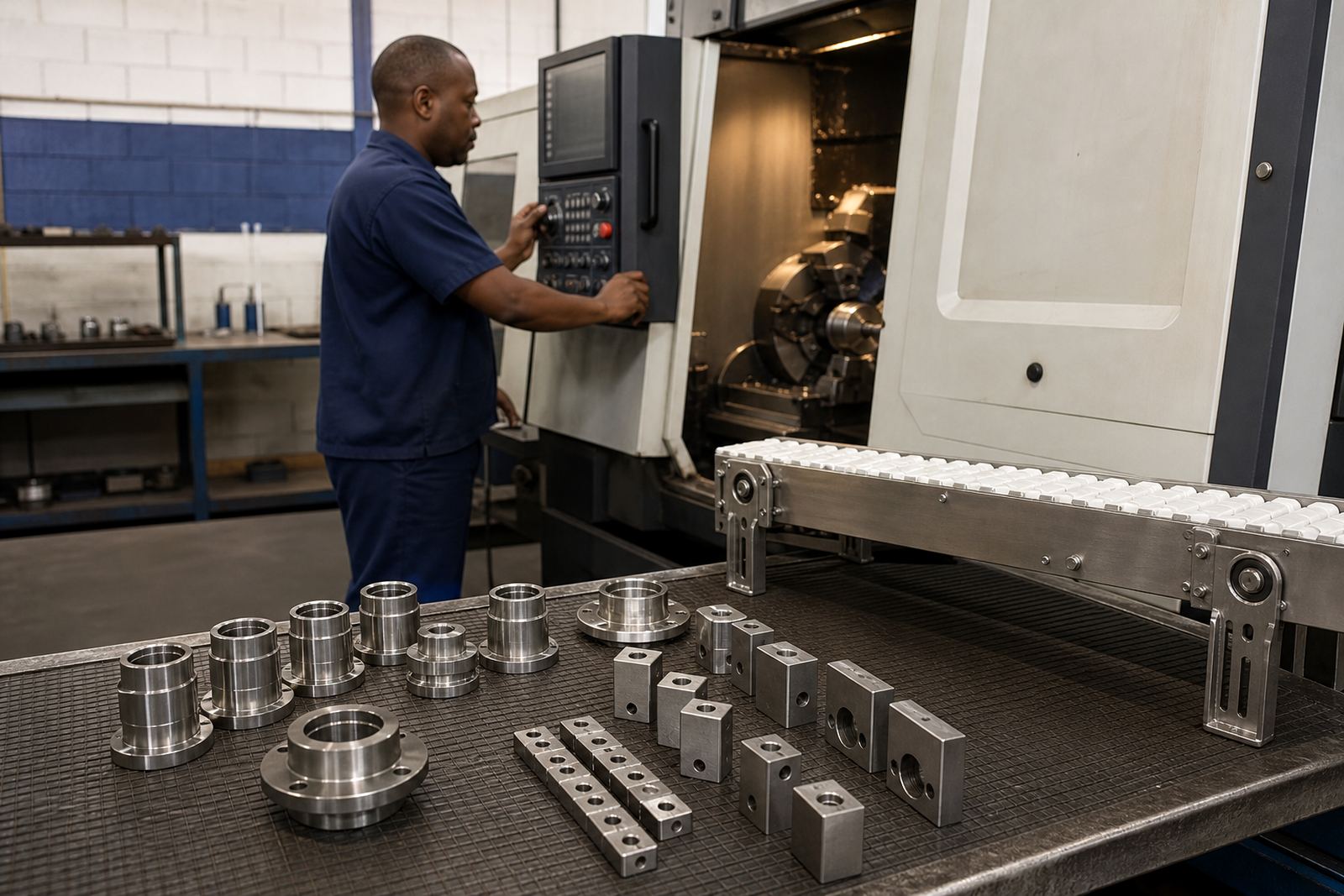
Common jobs include turning round components for rollers and bushes, and milling flat or contoured parts such as guide plates, mounting faces and clamp features. That mix of CNC turning and milling is useful when one plant has several machine sizes but wants parts that stay consistent from batch to batch. In coastal areas like Durban and Richards Bay, material choice and surface finish also matter because humidity and cleaning routines can affect storage and service life.
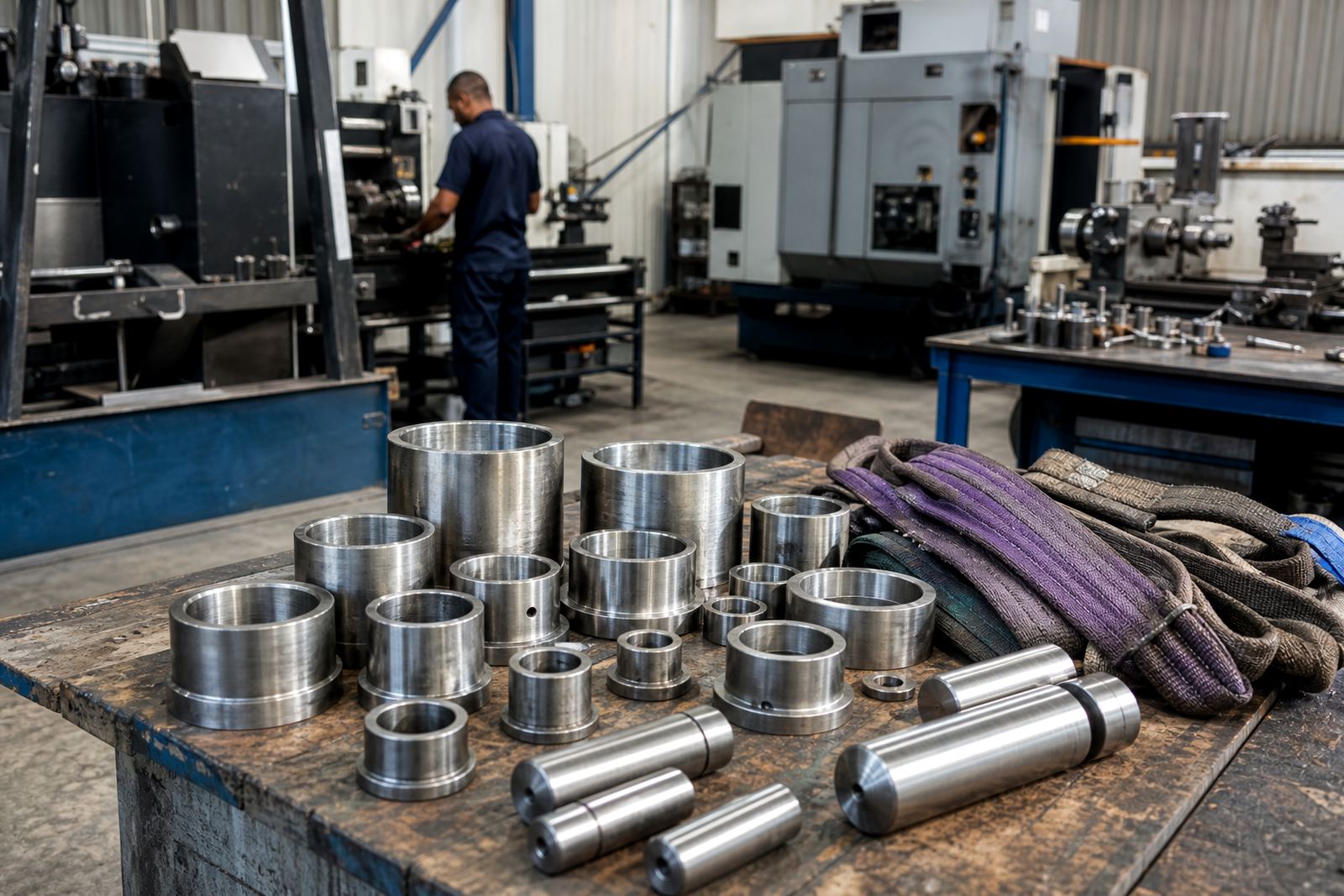
- Turned parts for round profiles, spacers and shafts
- Milled parts for slots, pockets and fixing points
- Parts that must assemble around existing equipment
- Components suited to washdown, cleaning and regular handling
Planning the Layout Before Cutting Metal
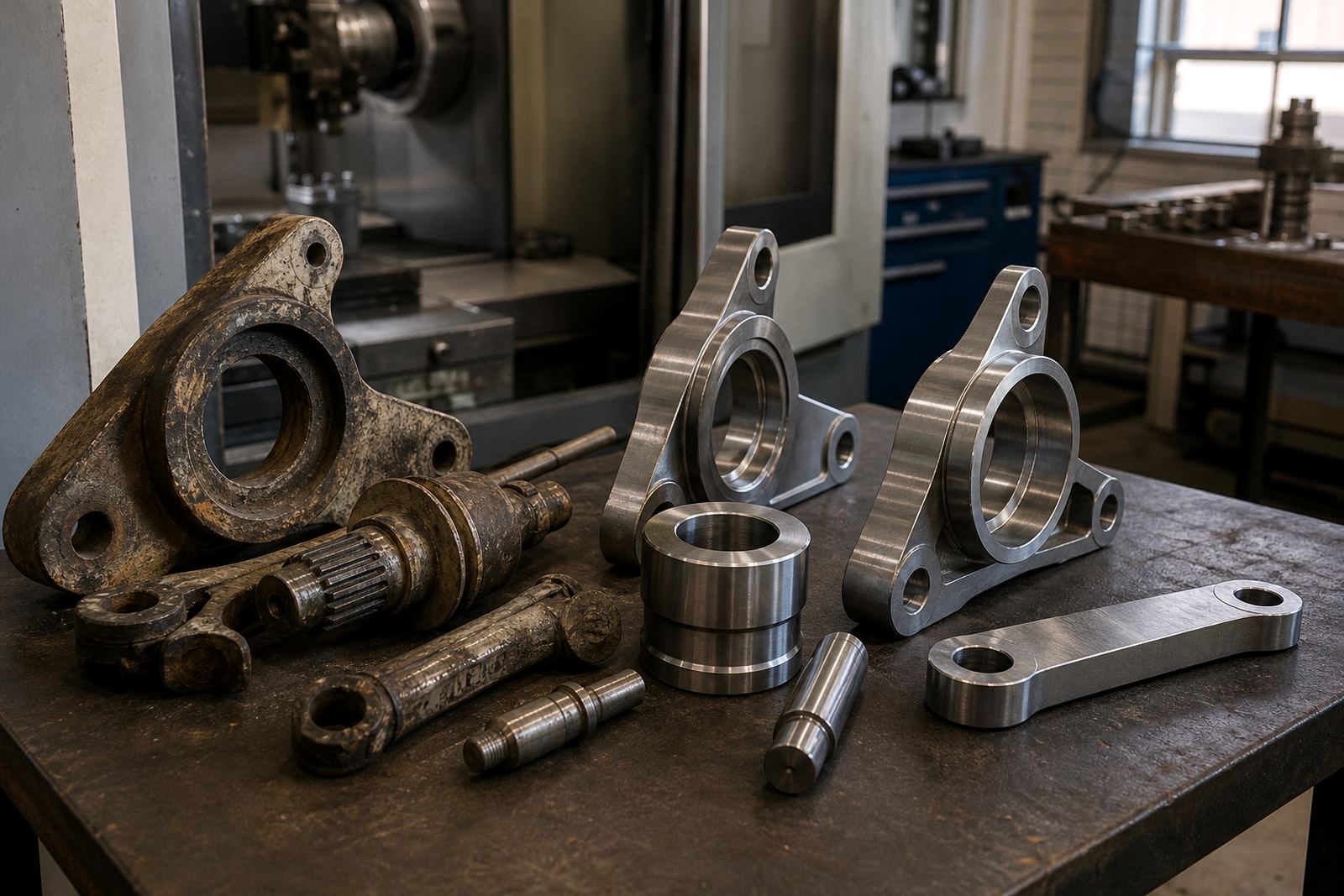
Food line parts are best planned with the full installation in mind, not just the single component. A guide that works on paper may still fail if there is no room for cleaning access, tool access or safe adjustment during maintenance. PME CNC Machining can work from drawings, samples or worn originals and check where the important dimensions sit in the assembly.
When a client in Pinetown, Westmead or New Germany is changing an existing line, it helps to confirm the conveyor height, belt width, mounting centres and the way the part is adjusted. If the part needs to fit into an existing machine frame, tolerances must be discussed early so the final component does not need awkward packing pieces. On food sites, layout planning should also consider drain paths, washdown access and any municipal or site rules around hygiene and discharge.
- Confirm mounting centres and reference faces before production
- Check the cleaning route around the fitted part
- Allow enough clearance for belts, chains or trays
- Plan for repeat orders if the line runs multiple product sizes
Materials and Surface Choices That Suit Food Areas
Material selection depends on the duty, the product and the cleaning method. Some parts are fine in aluminium or mild steel, while others may need stainless steel for corrosion resistance, especially where washdown is frequent or the plant is close to the coast. In some cases engineers also choose engineering plastics for low-friction guides, wear strips or non-marking contact pieces.
The important thing is to match the material to the load and environment instead of choosing by habit. A hard wearing material can still be the wrong choice if it damages packaging or is difficult to clean. For food processing clients, PME CNC Machining helps with material selection, drawing review and part optimisation so the final piece supports the line without creating extra maintenance work. A simple change in thickness, edge break or finish can make the difference between a part that lasts and one that needs constant attention.
Common Mistakes on Food Processing Change Parts
Many problems on food lines come from parts that were copied from an old sample without checking why the original failed. Worn guides get measured instead of the actual design, so the replacement carries the same error. Another common issue is ignoring how the part sits under load, especially where product impact or side pressure is repeated all day.
Another mistake is treating all tolerances the same. Some faces need a close fit, while other areas can be more open to allow movement or thermal expansion. If everything is held too tightly, fitting becomes difficult and the maintenance team spends time filing or packing the part on site which should not be necessary.
- Copying wear instead of checking the original drawing or function
- Forgetting washdown, humidity and corrosion exposure
- Leaving no room for adjustment during installation
- Using a material that suits machining but not the working environment
Budget Ranges for Small-Batch Machining in Rand
Food processing parts are usually priced around the actual work needed, not just the finished size. Simple spacer and bracket jobs are naturally lower cost than accurately matched change parts or components that need inspection reporting, assembly fit checks or repeat order support. Small batches are often the sensible route when a plant needs a few critical parts quickly rather than a full production run.
As a practical guide, the budget can vary from a few thousand Rand for straightforward items to much higher amounts for multi-part sets, close-fit assemblies or parts that need several stages of machining and checking. The cleanest way to control spend is to send the drawing or sample early, confirm the material and define which dimensions are critical. That helps avoid rework and keeps the job within a realistic budget for Durban, Pietermaritzburg, Richards Bay or Johannesburg delivery needs.
How PME CNC Machining Supports Food Processing Clients
PME CNC Machining is based in Pinetown and works with food processing clients across South Africa, including Durban, Pietermaritzburg, Richards Bay and Johannesburg. Founded in 2008, the business is led by Mandla Sibusiso Mkhize, with support from Anele Nondumiso Dlamini, Johan Petrus van Wyk, Siyabonga Patrick Zulu, Naledi Refilwe Molefe and Kyle Brendan Naidoo.
For food line work, the useful services are drawing review, prototype planning, batch planning, tolerance guidance, part optimisation, sample part remake, assembly fit checks, inspection reporting, repeat order support, delivery coordination and drawing updates. Clients reach the team through the enquiry form on the contact page, which is the best place to start when a line is down, a part is worn or a change part needs to fit properly the first time.