Small-Batch Automotive Parts That Keep Lines Moving
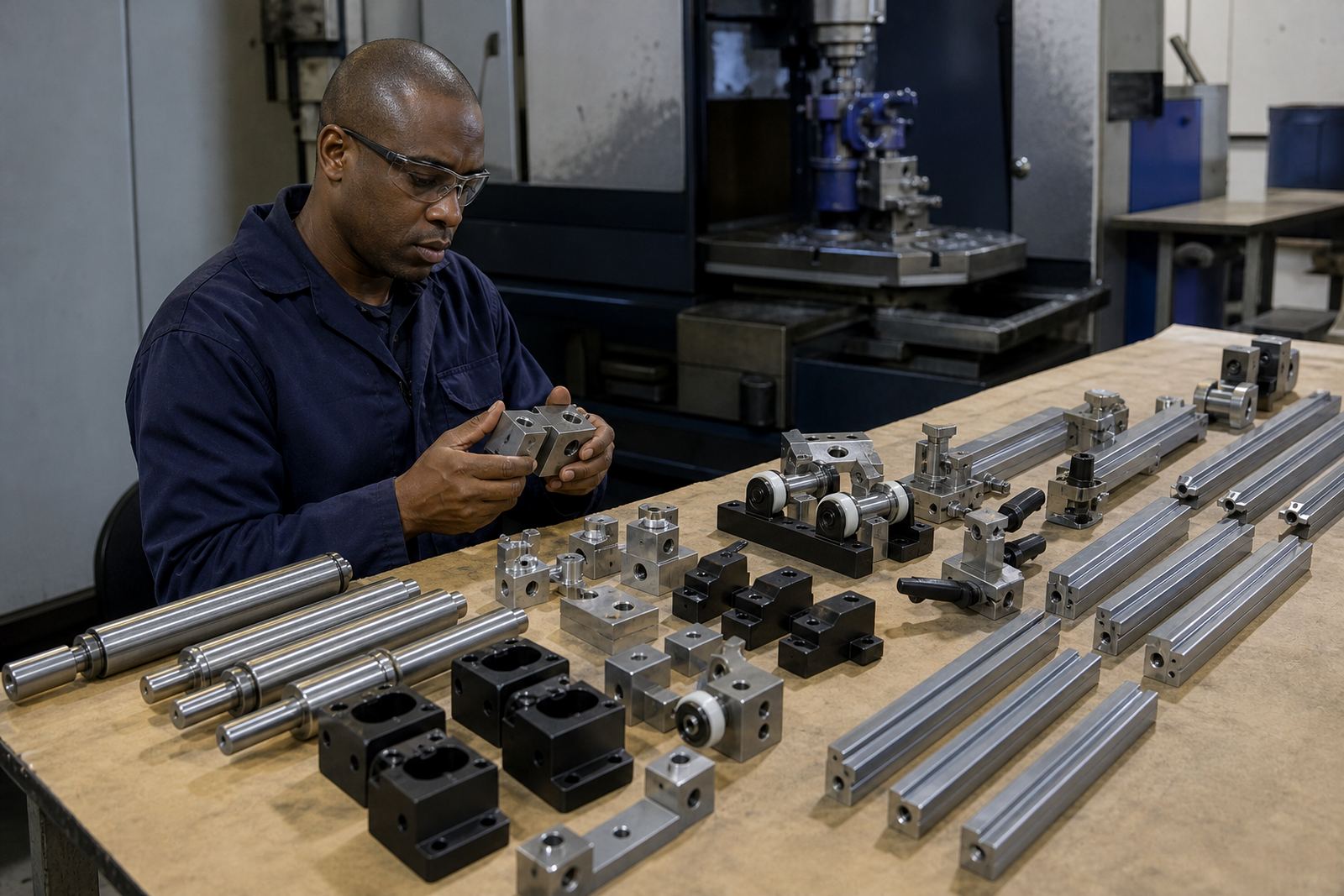
Automotive work often needs parts that are not high volume, but still have to fit properly and stand up to daily use. That can mean locator blocks, brackets, bushings, spacers, mounting plates, jigs, gauge parts and other support items used around assembly, maintenance and test areas. When a line stops for a missing component or a worn part, the replacement needs to match the drawing and the real application, not just the nominal size on paper.
At PME CNC Machining in Pinetown, we machine small batches for plants, workshops and maintenance teams in Durban, Westmead, New Germany, Pietermaritzburg, Richards Bay, Umhlanga and Johannesburg. We work from the client’s drawing or sample part, then check whether the job is best suited to milling, turning or a mix of both. For automotive support work, that usually means attention to hole positions, mating faces, edge breaks and repeatability across the batch.
Because these parts often support fixtures or production equipment, a small error can cause slow assembly, poor clamping or premature wear. That is why drawing review and tolerance guidance are part of the job from the start, not only at the end after the parts are already cut.
Where CNC Milling and Turning Fit In
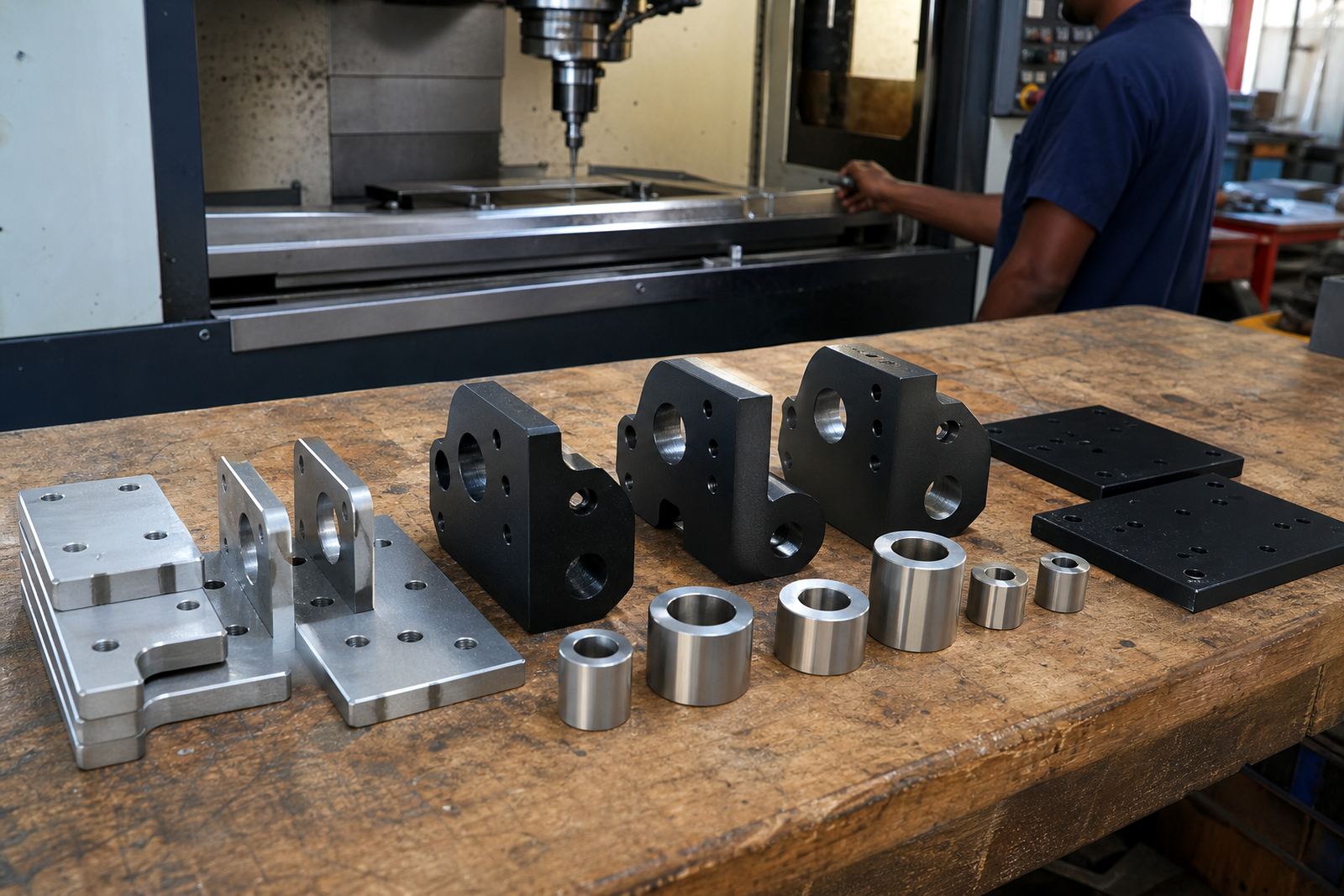
CNC milling is used where the part needs faces, pockets, slots, drilled patterns or shaped surfaces. In automotive support work, milling is common for brackets, fixture plates, tool holders and base parts that need accurate hole spacing and flatness. CNC turning is used for round parts such as spacers, pins, bushes, sleeves and stepped shafts where concentricity and diameter control matter. Many jobs need both, especially when a turned blank later receives milled flats, cross holes or mounting features.
Material choice depends on what the part does and where it is used. Aluminium is common where weight matters and corrosion risk is moderate. Mild steel and alloy steel are often chosen for strength, wear resistance and general workshop use. Stainless steel may suit damp areas, washdown zones or coastal sites around Durban and Richards Bay where humidity can be hard on untreated parts. Engineering plastics are sometimes suitable for non-loadbearing spacers, guides or insulating pieces, provided heat and wear are considered.
We do not force one material for every job. If a part will sit near coolant, road grime, vibration or regular handling, the right choice can save time later. A cheaper material that wears out too soon often costs more in stoppages and rework, so the real question is fit for purpose.
Planning the Job Around Your Existing Equipment
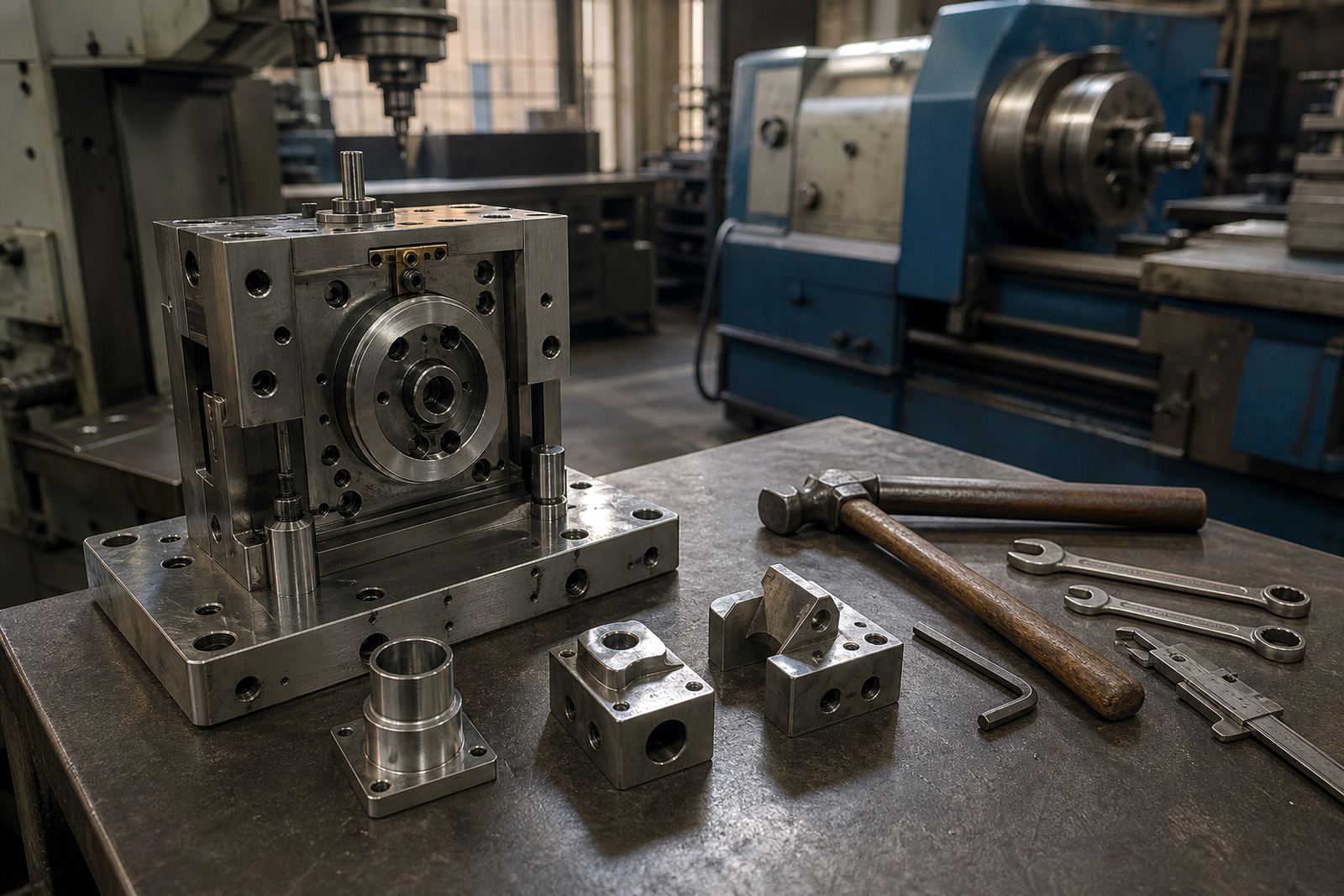
Good planning starts with the equipment the part must work with. Automotive support parts often interface with clamps, rails, locating pins, machine frames, stands, hand tools or custom fixtures. We look at how the part is loaded, how it is removed, whether it sees vibration, and if it needs to be replaced without disturbing the rest of the setup. If there is already a working sample, we can use it for measurement and remake support, then suggest changes where wear or handling has created problems.
For production support equipment, layout matters as much as the part itself. Hole patterns should be practical to machine and practical to use. Sharp internal corners can be a problem if the part needs to seat against another component. Thin sections may need redesign to avoid cracking or bending. If a drawing is unclear, we can help with drawing updates and part optimisation so the finished part is easier to make again later.
- Check the interface points first: bolt centres, locating faces, bore sizes and clearance.
- Allow for tool access and assembly space, especially where spanners or sockets need room.
- Consider whether the part will be removed often, then design for wear and fast replacement.
- In coastal areas, think about corrosion protection from the start, not after rust appears.
Common Mistakes We See in Automotive Support Parts
One common mistake is copying a worn part without checking the original intent. A bent bracket, enlarged hole or rubbed edge can hide the true dimensions. Another issue is setting a tolerance tighter than the application needs. That can push up cost and lead time without improving the job. On the other hand, loose tolerances on locating parts can create chatter, misalignment or poor fit. The balance depends on function, not just habit.
Another problem is choosing a material that looks right but does not suit the environment. A mild steel part may be fine in a dry workshop, but in humid conditions or near regular washdowns it may rust sooner than expected. Likewise, a hard material may be useful for wear, but if the part needs frequent adjustment or fast hand fitting, it may be more awkward than necessary. We also see drawings that do not clearly state finish requirements, edge breaks or thread details, which leads to back-and-forth that slows the job.
With small batches, repeatability matters. If the first part fits and the next three do not, the job still fails. That is why inspection reporting, sample part remake support and repeat order support are part of the process. We aim to keep the next batch as close to the first working batch as possible, even when the job returns months later.
Budget Ranges for Small-Batch CNC Work
Automotive support jobs vary widely in price because the size, material, tolerances and finishing all change the amount of machining time involved. A simple spacer or plain bracket will usually cost far less than a complex fixture part with multiple setups, tight tolerances and secondary operations. The batch size also matters. One-off samples are often more expensive per part than a repeat run of the same item, because setup time is spread over fewer pieces.
As a working guide, many small-batch automotive support jobs fall into these broad ranges: basic turned spacers, pins or simple bushes may sit in the lower hundreds of Rand each, while more involved milled fixture parts, matched sets or parts needing close inspection can move into the higher hundreds or more per piece. More complex jobs, harder materials, urgent delivery and drawing corrections can shift the total further. It is better to price from a proper drawing or sample than guess from a photo, since one missing dimension can change the whole setup. We would rather quote accurately than overpromise and then backtrack later.
- Prototype planning suits first-off parts, gauge trials and fixture checks.
- Batch planning helps when you need the same item in a manageable run for maintenance stock.
- Drawing review can reduce avoidable cost before any cutting starts.
Serving Pinetown, Durban and Further Afield
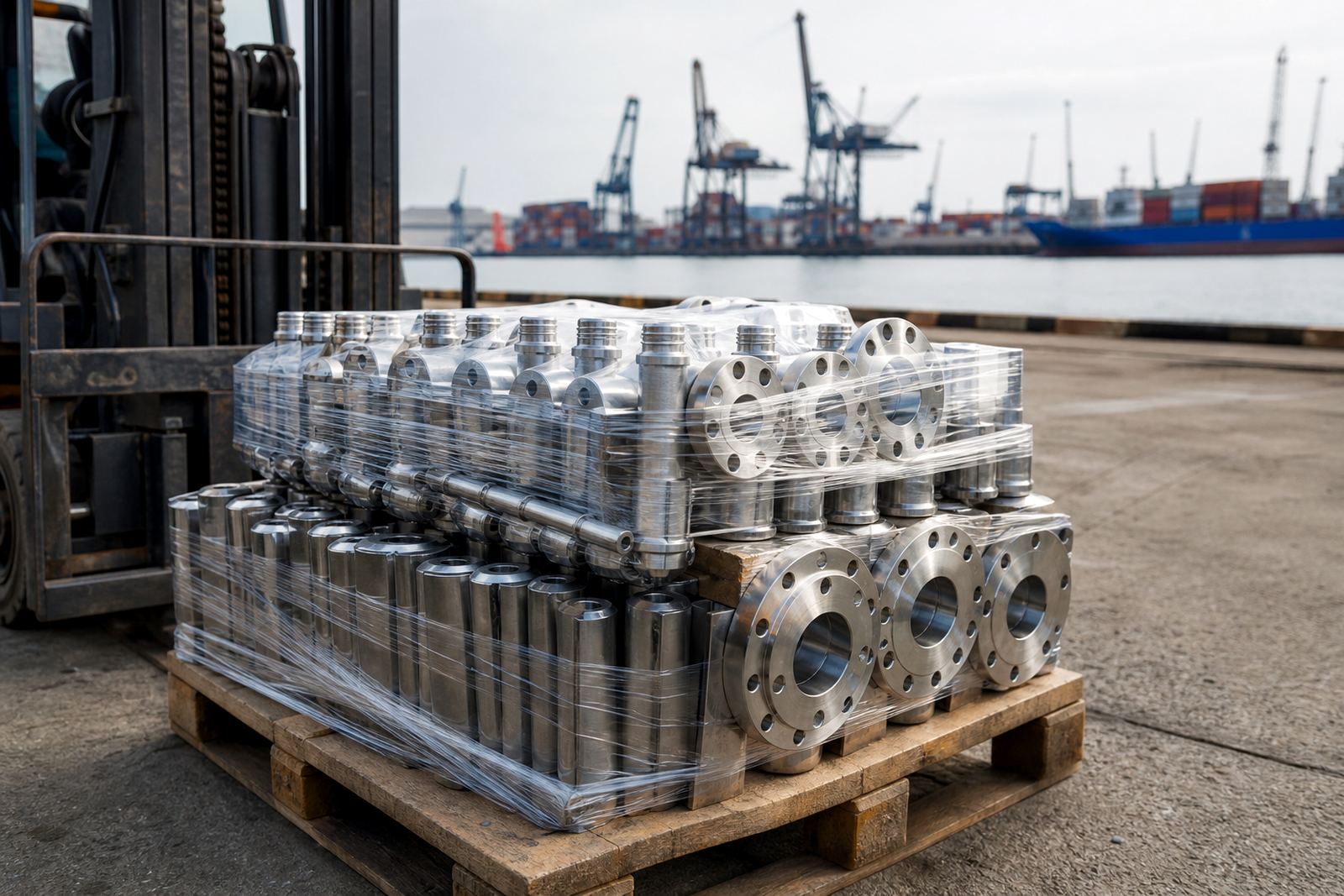
Based in Pinetown, we support automotive clients across Durban, Westmead, New Germany, Umhlanga, Pietermaritzburg, Richards Bay and Johannesburg. That includes maintenance teams, production support staff and workshops that need made-to-order parts without long waits. Delivery coordination is often part of the job, especially when a line is waiting on a replacement component or a sample part has to be checked quickly before the rest of the batch is approved.
Our team is led by Mandla Sibusiso Mkhize, with support from Anele Nondumiso Dlamini in production coordination, Johan Petrus van Wyk on CNC programming, Siyabonga Patrick Zulu in machining supervision, Naledi Refilwe Molefe on quality administration and Kyle Brendan Naidoo on client support. The structure matters because a small-batch automotive job often needs quick communication, practical adjustments and clear sign-off before the next step. Clients reach us through the enquiry form on our contact page, and we use that route to keep drawings, notes and updates together in one place.
For automotive support parts, the aim is simple: make the part fit the machine, fit the job and fit the schedule. When that happens, maintenance is easier, fixtures behave better and production has one less problem to chase.