Richards Bay machining support for local industry
Richards Bay work often needs parts that can handle heat, vibration, salt air and long operating hours. We support maintenance teams, contractors and production managers who need machined components that fit correctly the first time and keep equipment moving. That usually means one-off replacements, short runs for planned shutdowns, or repeat batches for stock on hand.
Because Richards Bay sits on the coast, corrosion resistance and finish matter. The right material choice can make the difference between a part that lasts and one that comes back for rework too soon. We help with that early stage so the drawing, material and machining method are aligned before cutting starts. Small batch jobs often save time when the original part is worn, damaged or no longer available and the machine cannot stay down.
We handle enquiries through the contact page form, then review the drawing or sample and advise on the practical route forward. If a dimension is too tight for the application or a feature can be simplified without affecting fit, we will say so. That kind of checking helps reduce waste and avoids unnecessary delays.
CNC milling and turning for small-batch parts
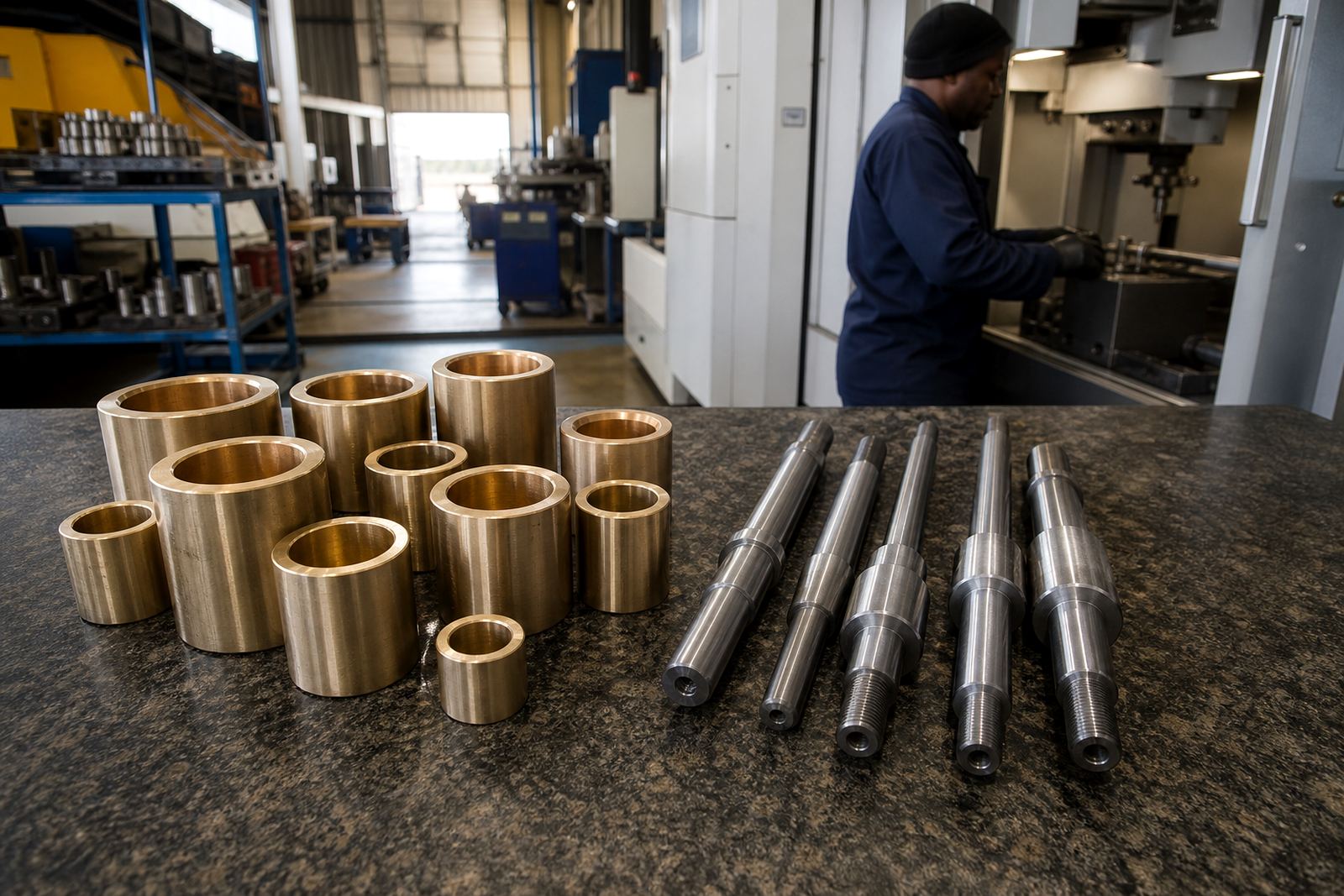
Our shop work covers CNC milling and CNC turning for parts that need accurate profiles, holes, threads, shoulders, slots and turned diameters. Milling is well suited to flat faces, pockets and features cut from bar, plate or block. Turning is used for cylindrical components such as shafts, bushes, spacers and stepped parts. For many jobs, a combination of both methods gives the best result.
We work to the drawing and the application, not just the shape on paper. A component that fits in a clean workshop may behave differently once it is exposed to load, heat, dirt or coastal humidity. Where needed, we look at runout, surface finish, wear points and how the part will be assembled. That helps when the job is for repair work or a machine that has already seen years of use.
Typical materials include aluminium, mild steel, stainless steel, brass and engineering plastics, depending on the job. Each material machines differently, so the cutting strategy and finishing steps must suit the material and the use. We do not promise blanket tolerances on every part, because every job is different, but we do discuss achievable limits and sensible fit requirements before work begins.
Turnaround for Richards Bay deliveries and urgent jobs
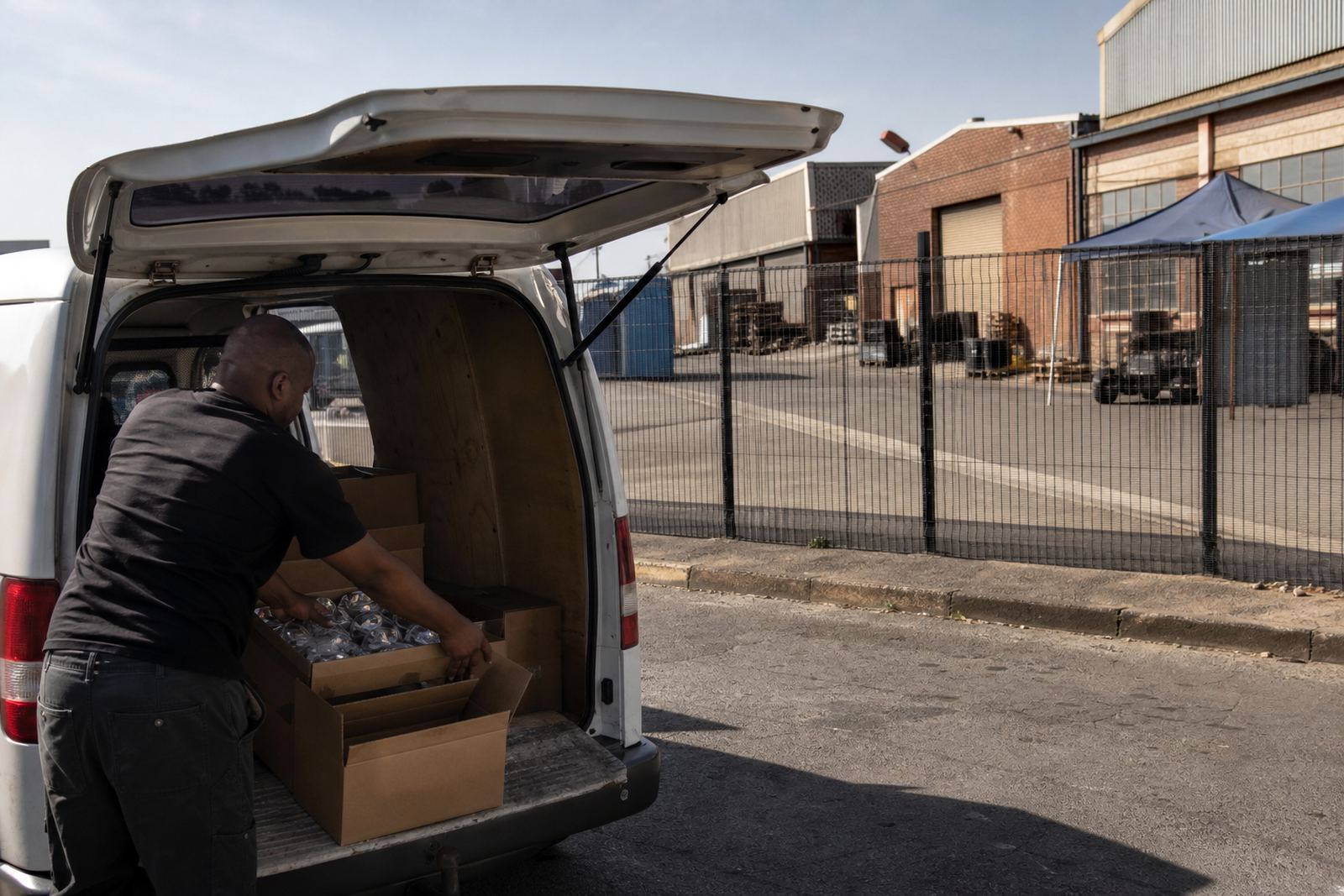
Richards Bay is a little further from our base in Pinetown, so turnaround depends on the complexity of the work, the material needed and whether a sample or drawing is available. Some jobs move quickly when the dimensions are clear and material is on hand. Others need more checking, especially when a worn part must be copied carefully or adjusted for a better fit.
For businesses that work to shutdown schedules, we can plan batches in stages and coordinate delivery so parts arrive when they are needed. If drawings need cleanup or dimensions need confirmation, we handle that before machining starts rather than after. It is better to spend a bit more time on the front end than to rush a batch and discover a mismatch during assembly.
We also keep communication practical. If there is a lead time issue because of material availability or extra setup work, we say so early. That helps maintenance planners and buyers arrange their spares around real production needs, not guesswork. A clear schedule is often just as important as the machining itself.
Local conditions that affect material choice
Richards Bay jobs often need a bit more thought around corrosion, dust and moisture. Coastal humidity can affect stored material and finished parts, especially if they sit in a warehouse before fitting. On some plant sites, the part also has to cope with cleaning chemicals, salt air or repeated exposure to water. Those conditions influence whether aluminium, carbon steel, stainless steel or a polymer makes more sense.
We guide clients through material selection with the actual use in mind. If the component is a wear item, we may suggest a material that machines well but still gives better service life. If the part needs easy replacement later, we can also look at how the design might be simplified for future batches. A small change in radius, thickness or fixing detail can make future production far easier.
For maintenance work, we also consider the state of the mating part. A new component can only perform properly if the rest of the assembly is sound enough to accept it. In some cases an assembly fit check is needed before the batch is repeated. That saves time and avoids the usual back-and-forth when a part is almost right but not quite.
What we cover for Richards Bay customers
Many Richards Bay enquiries come from workshops, processing sites, contractors and maintenance teams that need parts made in small quantities. The work may be for conveyors, pumps, guards, brackets, machine housings, couplings or other plant components. We also support businesses that need a damaged part remade from a sample or from an old drawing that needs checking before production starts.
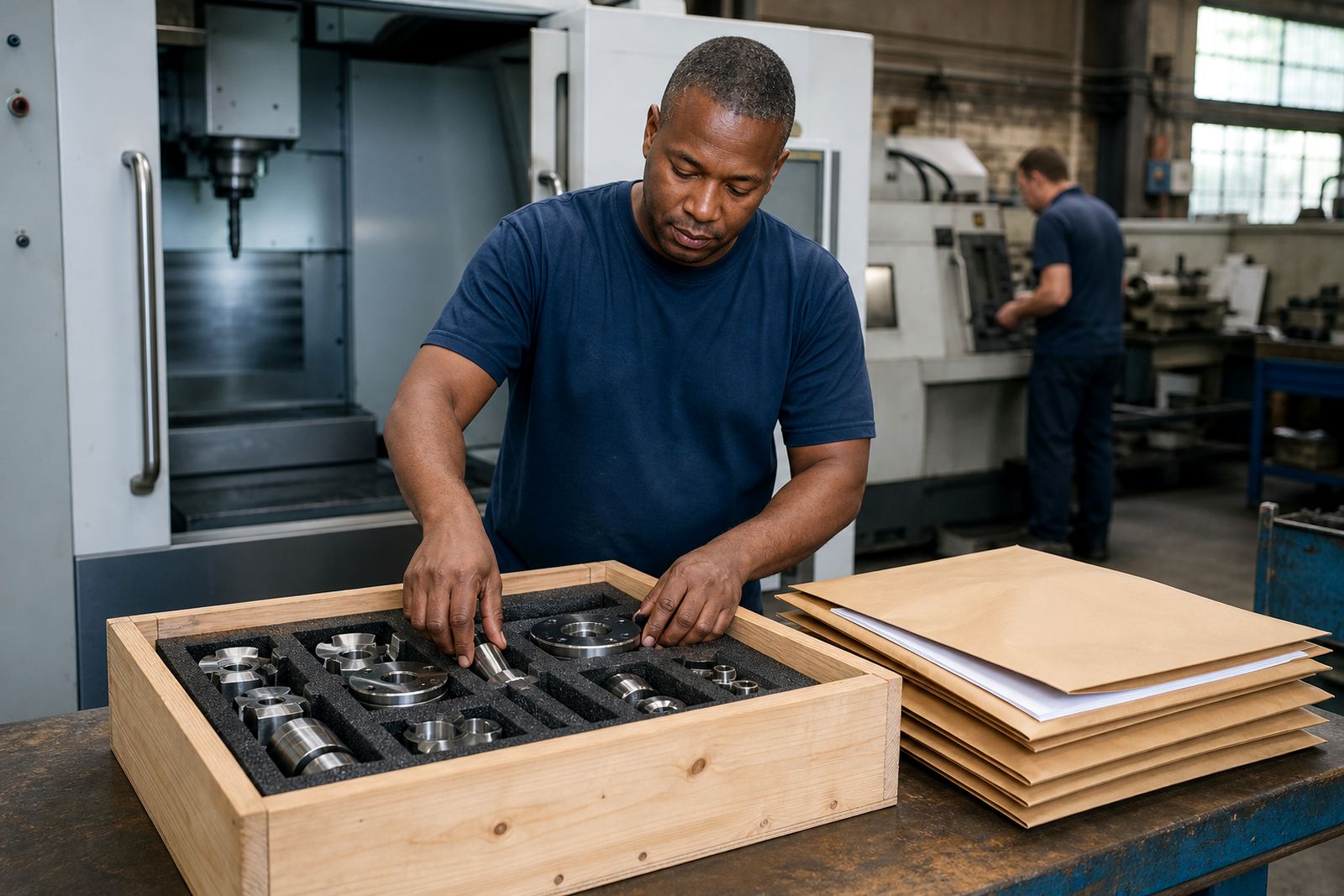
Our service list is built around jobs that need more than just cutting metal. We can review drawings, help with batch planning, guide tolerance decisions, remake a sample part, check fit during assembly and update drawings where required. If a part is being reordered after months of use, we can compare the old sample with the original intent and note any corrections needed for the next run.
We do not overstate what can be done without seeing the part first. Some jobs are straightforward, while others need extra measuring or setup. The point is to make the next step clear so the client knows what will be made, how it will be checked and what happens if a dimension needs attention. That practical approach suits maintenance work well.
How to send a Richards Bay enquiry
To start a job, send your enquiry through the contact page form with the drawing, sample details or a clear description of the part. If you only have an old component, include photos and measurements where possible. That gives us enough to review the job and advise on the best route before any machining begins.
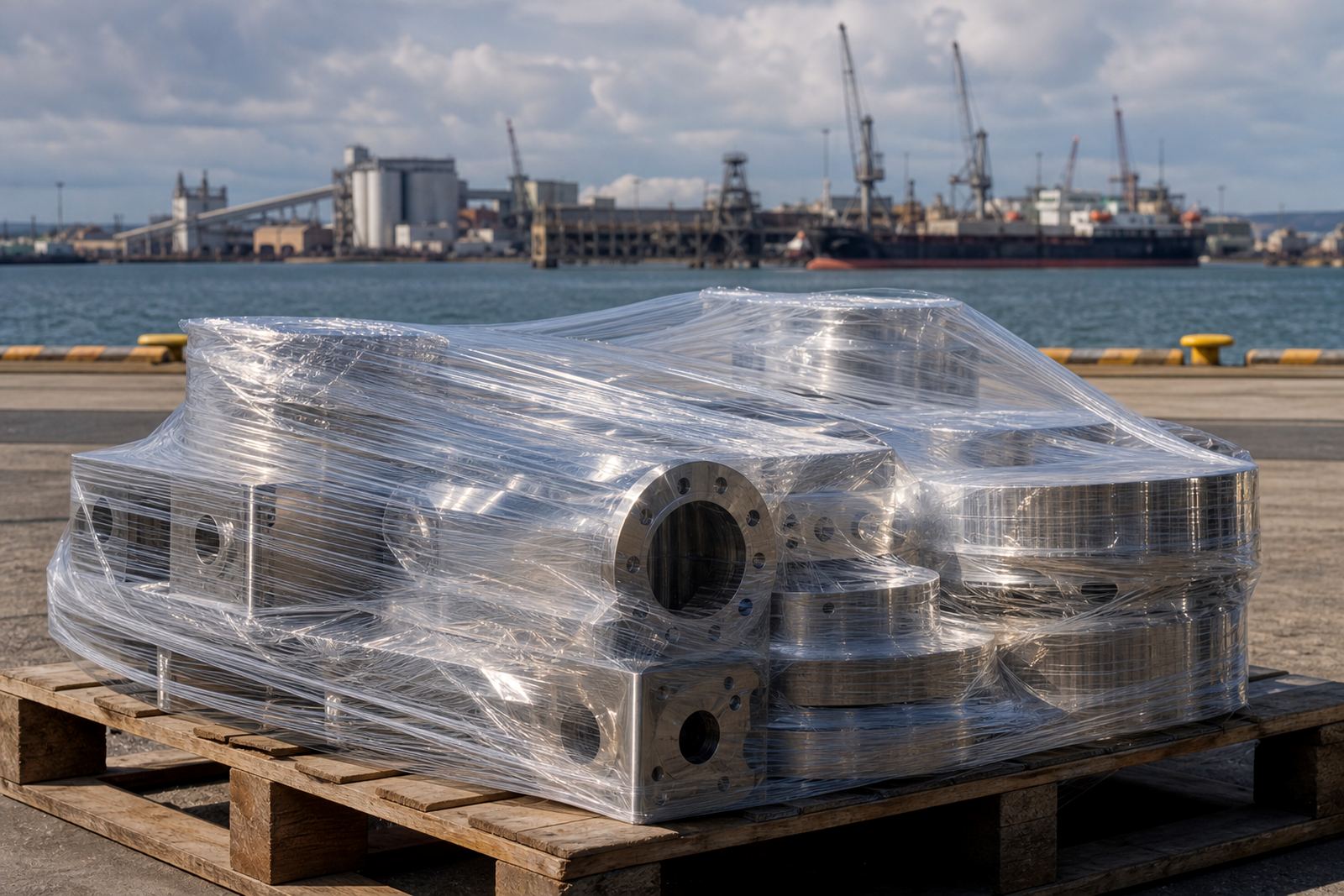
From there, we can discuss material options, the likely process and whether the part is best handled as a one-off or as a small batch. We also help clients plan around shutdown dates, stock needs and delivery timing. For Richards Bay customers, that often means balancing transport time with the need to keep workshop or plant equipment running.
PME CNC Machining is based in Pinetown and supports Richards Bay together with Durban, Pietermaritzburg, Westmead, New Germany, Umhlanga and Johannesburg. If the job calls for careful milling, accurate turning or a repeat part that must match the first one, we can help get it sorted with as little fuss as possible.